

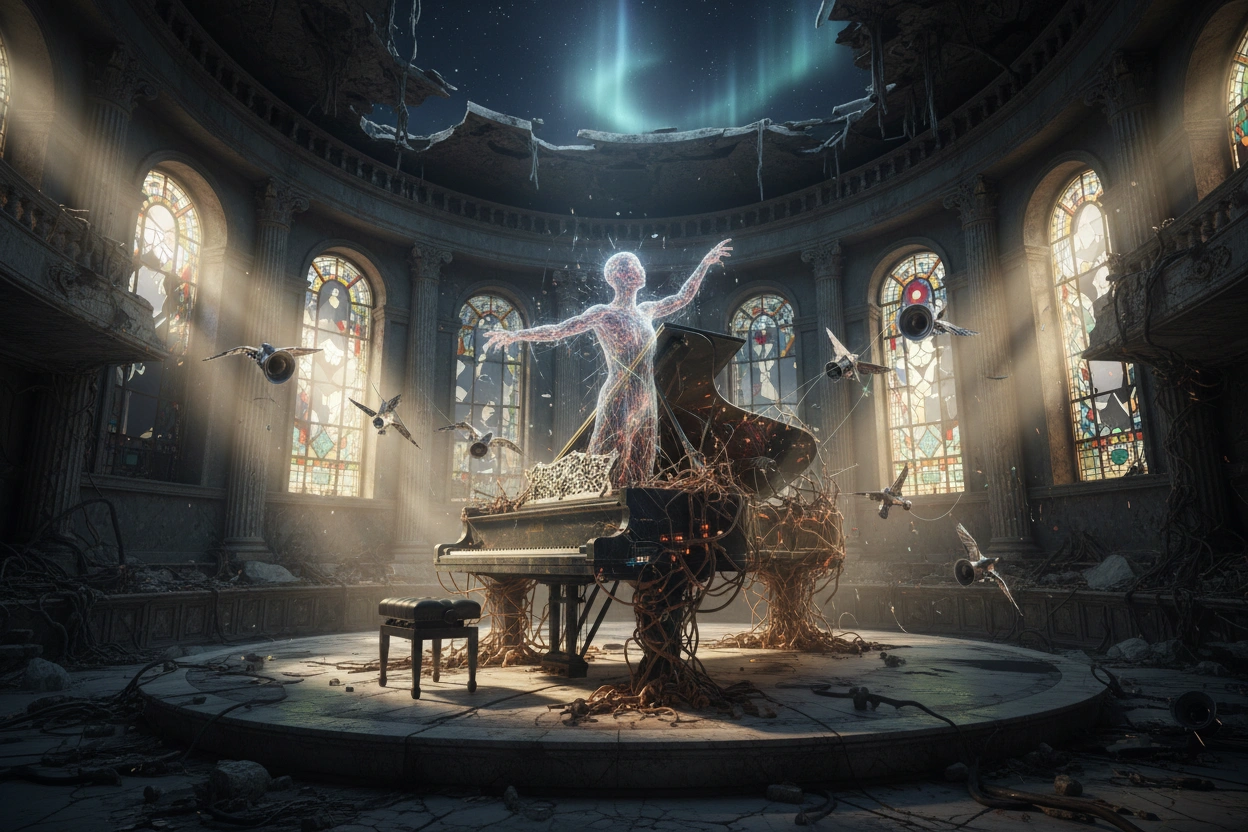
As artificial intelligence continues to redefine the landscape of music creation, many wonder about the boundaries that exist in this innovative realm. AI-generated music is not just a novelty; it represents a significant shift in how music is produced, consumed, and understood. However, this transformation comes with its own set of limitations and challenges, particularly in areas like copyright, ethics, and audio quality. This article examines these limitations, providing insight into the current state of AI music generation and its implications for the future.
Exploring the Role of AI in Music Creation

AI music generation technologies are fundamentally altering the way music is composed and produced. From algorithms that analyze existing music to generate new compositions to tools that assist musicians in the creative process, AI has opened new avenues for expression. Platforms like OpenAI's MuseNet and Google's Magenta are examples of how AI can create original music across various genres, blending styles and influences that may not typically coexist.
The transformation extends to traditional music production methods. AI tools enable producers to automate repetitive tasks, enhance sound design, and even personalize music for individual listeners. These technologies allow for a more streamlined workflow, making it easier for creators to focus on the artistic aspects of their projects. As a result, both amateur and professional musicians are leveraging AI to push the boundaries of creativity, leading to a new era of musical exploration.
Navigating Audio Copyright Issues in AI Music
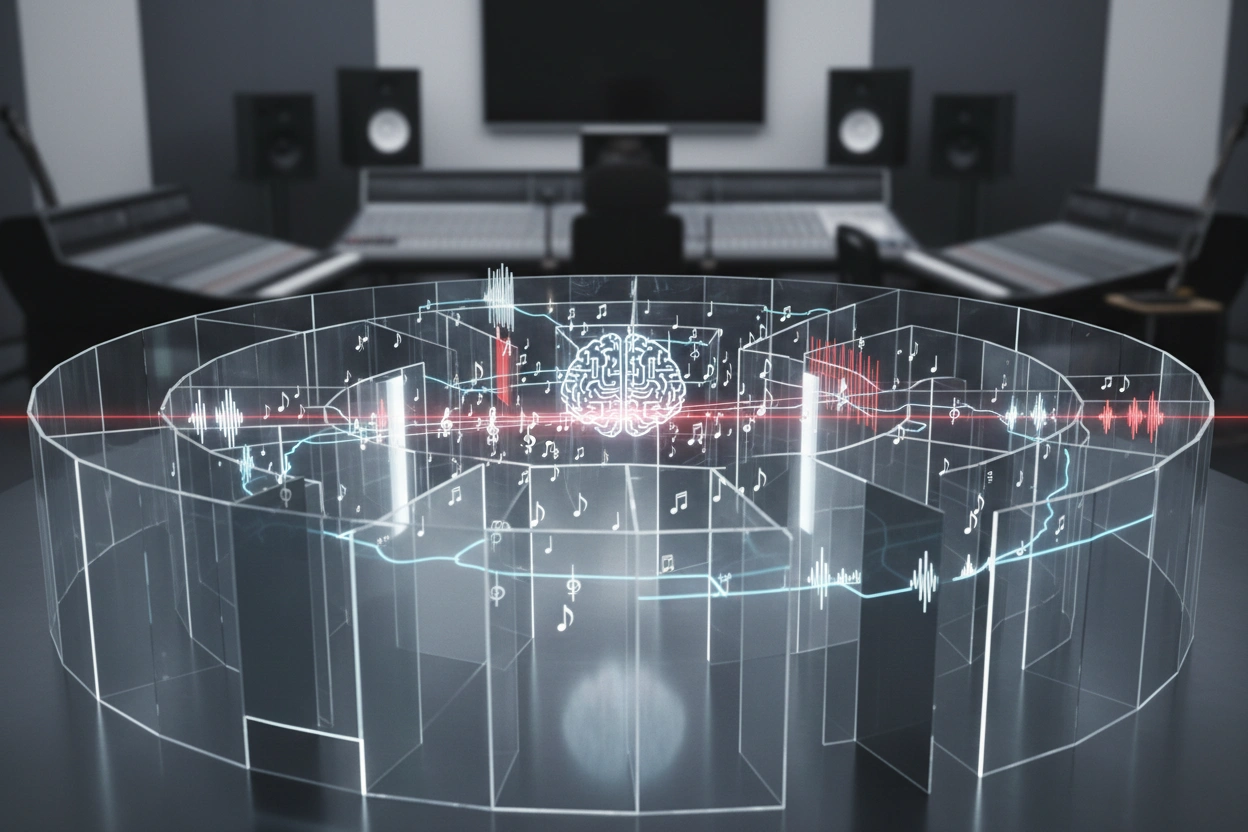
Understanding copyright laws as they apply to AI-generated works is a complex and evolving area of law. Copyright traditionally protects the expression of ideas rather than the ideas themselves, which raises questions about the ownership of music created by AI. If a song is generated entirely by an algorithm, who holds the rights? The programmer, the user who prompted the AI, or does the music exist in a copyright-free realm?
Several case studies highlight disputes over AI music copyrights. In 2023, a notable case involved an AI-generated piece that was claimed by both its developer and a music label that had commissioned the work. These disputes illustrate the necessity for clearer regulations and guidelines regarding the ownership and licensing of AI-generated music. As the technology evolves, so too must the legal frameworks that govern it.
Identifying Ethical Concerns in AI Music Production
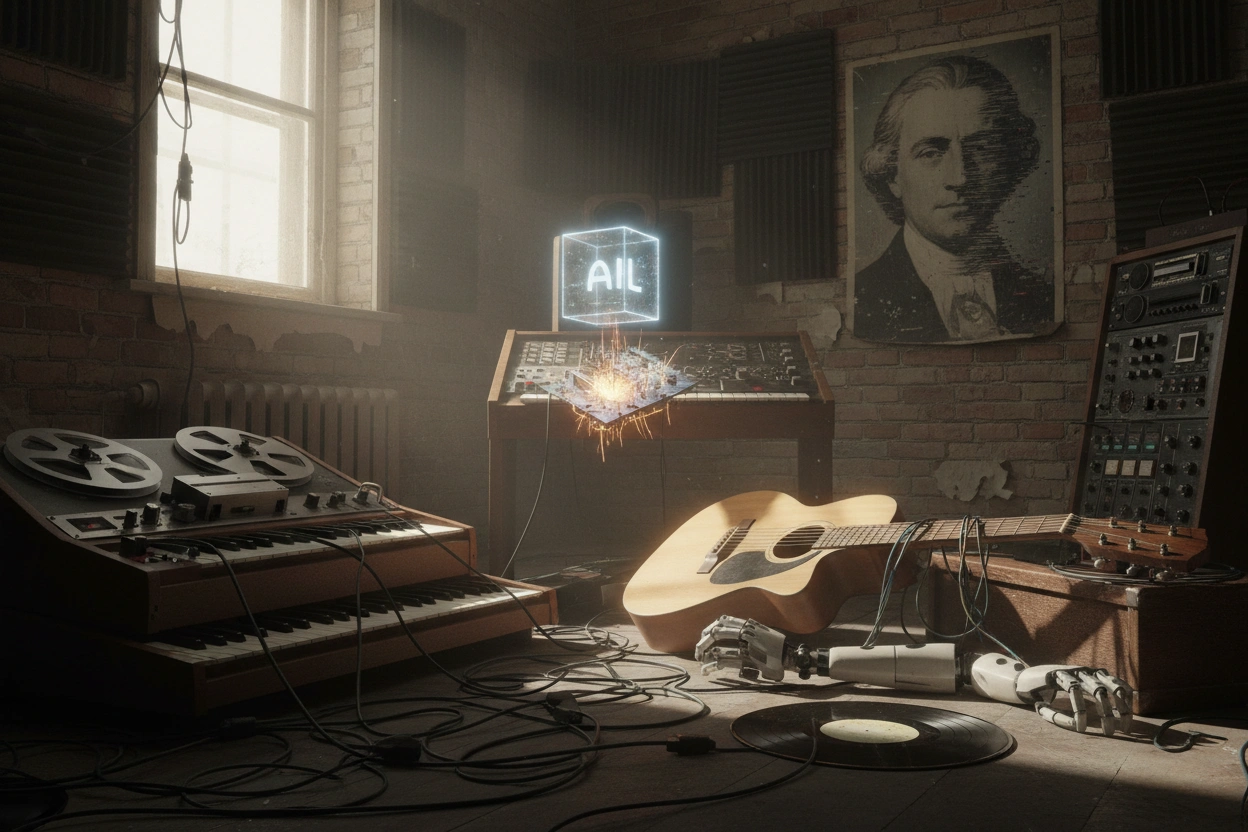
The moral implications of using AI in creative fields raise significant ethical questions. One major concern is the potential displacement of human artists. Critics argue that AI could undermine the value of human creativity, reducing the unique emotional qualities that come from human experiences and expression. This debate intensifies as AI-generated music becomes increasingly indistinguishable from that created by humans.
Moreover, there are concerns about the authenticity of AI-generated works. If music is created by an algorithm, can it truly resonate with audiences in the same way that human-created music does? These ethical dilemmas challenge the music industry to consider the role of technology in artistic expression and the implications of prioritizing efficiency over creativity.
Assessing the Quality of AI-generated Audio
When evaluating AI audio quality, a comparative analysis with human-created music reveals both strengths and weaknesses. AI can produce technically proficient music with impressive sound design capabilities. However, it often lacks the nuanced emotional depth that human composers bring to their work. This gap raises questions about the authenticity and relatability of AI-generated audio.
Technological advancements continue to enhance AI audio quality. Machine learning algorithms are becoming more sophisticated, allowing for better mimicry of human styles and emotions. As these technologies improve, the distinction between AI-generated and human-created music may become increasingly blurred, leading to a shift in listener expectations and preferences.
Understanding Music Licensing for AI-generated Works
Licensing requirements for AI-generated music are not yet fully standardized, creating challenges for creators and producers. Navigating the legal landscape effectively requires a thorough understanding of existing copyright laws and how they apply to AI-generated works. Musicians and producers must consider whether they need to obtain rights to use AI-generated music in their projects and how to attribute the work correctly.
To ensure compliance, it is essential to stay informed about the evolving legal frameworks surrounding music licensing for AI-generated works. This includes understanding the rights associated with the use of samples, the implications of using AI tools in music production, and how to properly license music for commercial use. As the industry evolves, staying ahead of these legal requirements will be crucial for creators.
Anticipating the Future of AI in the Music Industry
Emerging trends in AI music technology suggest a future where AI will play an even more integral role in the music industry. With advancements in machine learning and neural networks, AI is expected to become more adept at understanding musical context and preferences, leading to more personalized music experiences. This could result in AI systems that not only create music but also curate playlists tailored to individual tastes and moods.
Potential developments in AI music technology raise important implications for the industry. As AI-generated music becomes more prevalent, it may redefine traditional roles within the music industry, from composition to distribution. Additionally, the integration of AI with blockchain technology could lead to new models for music distribution and copyright management, further influencing how music is created and consumed.
Where AI Meets Music Creation and Creative Limits
AI-generated music is opening new creative doors, but it also introduces clear boundaries around copyright, licensing, ethics, and audio quality. As these tools become more accessible, creators must understand where automation enhances creativity—and where human intention, originality, and legal clarity still matter most. Navigating these limits is essential for anyone using AI in music, sound design, or digital media.
At Edge of Show, we explore how AI is reshaping music and creative industries, breaking down both the opportunities and the real constraints creators face. Our conversations help artists, technologists, and builders stay informed as this space evolves. To dive deeper into AI, music, and the future of creative tech, tune in to the Edge of Show podcast.
.jpg)

.jpg)
.webp)
.webp)
.webp)


.svg)


