


Media rights are undergoing a radical evolution. The traditional frameworks for managing media rights, which often involve complex licensing agreements and centralized control, are being disrupted by emerging technologies and decentralized platforms. This article explores how decentralized distribution models are reshaping media rights management, streaming rights, and content ownership, providing insights into the future of media in this new paradigm.
The Shift Towards Decentralized Media Distribution

Decentralized media distribution is gaining traction as creators and consumers alike seek alternatives to traditional distribution channels. Understanding this shift requires recognizing the advantages that decentralized platforms offer. These platforms eliminate the middlemen, allowing creators to directly connect with their audience. This direct interaction not only enhances accessibility but also empowers creators to retain more control over their intellectual property.
One of the most significant benefits of decentralized media distribution is the reduction of barriers to entry for new content creators. Traditionally, getting media distributed often required navigating complex relationships with established distributors, which could be costly and time-consuming. With decentralized platforms, anyone can publish and monetize their content. This democratization of content distribution is reshaping the media landscape, fostering innovation, and encouraging a diverse range of voices to emerge.
Impact of Blockchain Technology on Media Rights

Blockchain technology plays a pivotal role in the evolution of media rights management. By providing a secure and transparent method for tracking ownership, blockchain ensures that creators can prove their rights over their work. Each piece of content can be linked to a unique digital identifier, making it easier to verify ownership and prevent unauthorized use.
Smart contracts, which are self-executing contracts with the terms of the agreement directly written into code, are revolutionizing licensing agreements in the media industry. These contracts automatically execute transactions when predefined conditions are met, streamlining processes that previously required extensive legal negotiations. For instance, a smart contract could automatically distribute royalties to content creators every time their work is accessed or sold, ensuring that they are compensated fairly and promptly.
Understanding Changes in Streaming Rights
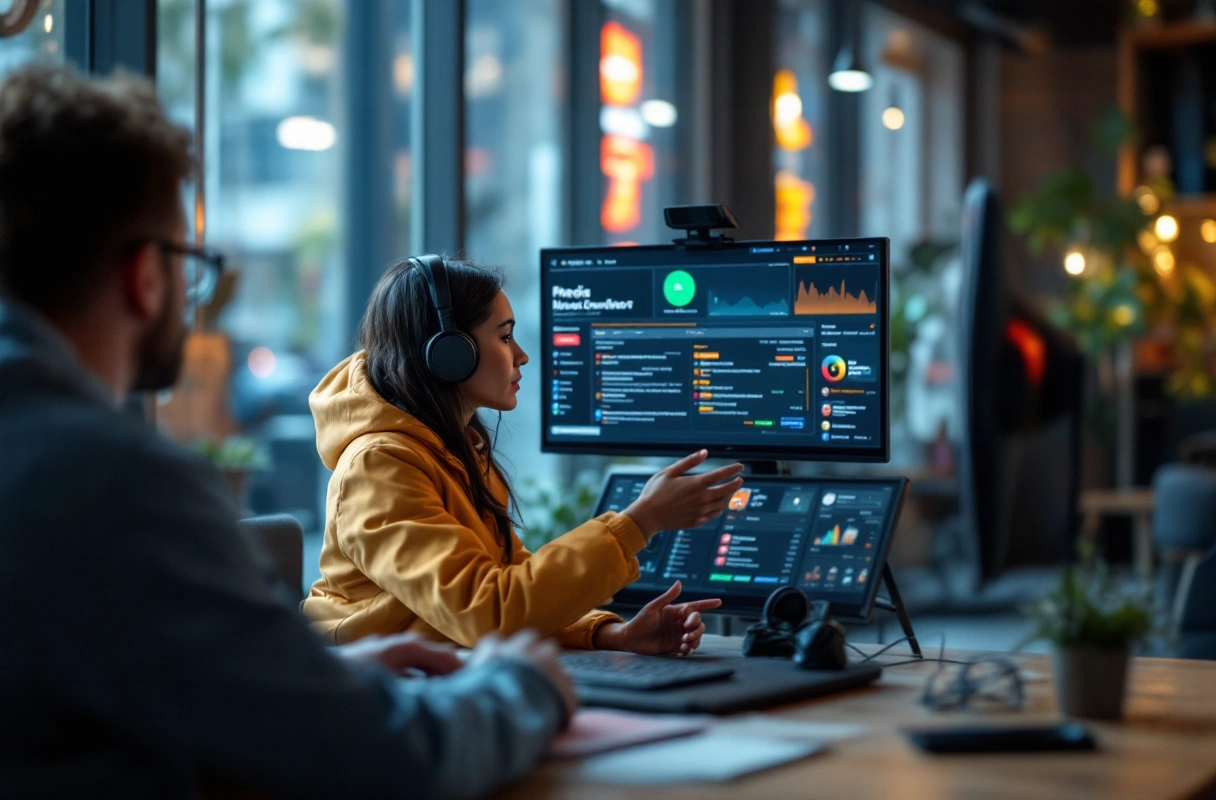
The advent of decentralized distribution models is significantly influencing streaming rights. Traditionally, streaming platforms have relied on complex licensing agreements that often favor the platforms over the content creators. As decentralized models gain popularity, the balance of power is shifting. Creators are beginning to negotiate more favorable terms, as they can leverage blockchain technology to establish proof of ownership and demand better compensation for their work.
Moreover, the evolving landscape of media licensing for digital platforms is marked by a growing acceptance of alternative monetization strategies. Subscription models, pay-per-view, and direct-to-consumer sales are becoming more prevalent, allowing creators to explore various revenue streams. This flexibility is crucial in a time when audience preferences are rapidly changing, and creators must adapt to meet their fans' demands for accessible and diverse content.
Future Trends in Media Distribution and Rights Management
Looking ahead, the future of media rights in a decentralized world is filled with potential. As decentralized platforms continue to mature, we can expect to see an increase in collaboration between creators and consumers. This collaboration may lead to innovative content ownership models that prioritize community engagement and fan participation.
Additionally, the concept of fractional ownership could emerge as a new trend in media distribution. This model allows multiple investors to own a share of a piece of content, spreading the financial risk and enabling more creators to access funding for their projects. As these trends develop, media rights management will likely become more streamlined, transparent, and equitable.
The evolution of media rights is not just about technology; it’s also about redefining the relationship between creators, consumers, and content. As the industry adapts to these changes, we will witness a more vibrant media ecosystem that values and rewards creativity in unprecedented ways.
How Decentralized Media Rights Are Reshaping Content Ownership
Decentralized media distribution is transforming how creators manage, protect, and monetize their rights. By using blockchain-based systems, media rights can become more transparent, traceable, and fairly enforced—reducing reliance on centralized intermediaries. This shift empowers creators while giving audiences clearer visibility into ownership and value flows.
At Edge of Show, we explore how decentralized media models are changing the creator economy and opening new pathways for content distribution. Understanding these changes is essential for creators and platforms adapting to a more open digital landscape. To stay ahead of how decentralized media rights are evolving, tune in to the Edge of Show podcast.
.jpg)

.jpg)
.webp)
.webp)
.webp)


.svg)


