


As artificial intelligence reshapes content creation, new legal dilemmas emerge. The rapid advancements in AI technology have sparked a complex discussion surrounding intellectual property rights. This article explores the intellectual property challenges that arise from AI-generated content, including copyright, ownership, and fair use. Understanding these issues is essential for creators, businesses, and legal professionals as they navigate the evolving landscape of content generation.
Navigating Copyright Concerns in AI Content Creation
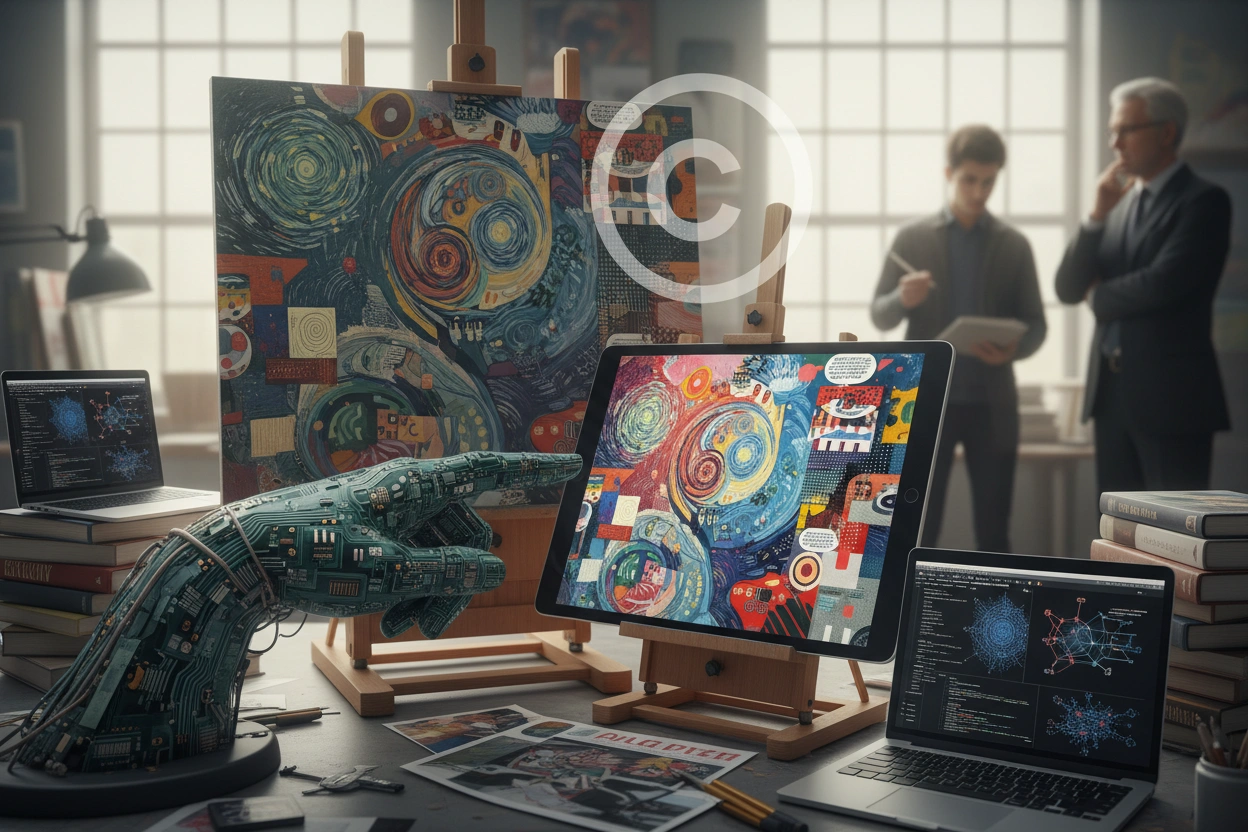
AI-generated works present unique challenges in the realm of copyright law. Traditionally, copyright protects original works of authorship, but the application of this law to machine-generated content raises questions about the nature of authorship itself. For instance, if an AI system creates a piece of art or a written article, does the copyright belong to the AI, the programmer, or the user who instructed the AI? This ambiguity complicates the enforcement of copyright protections and raises issues related to ownership.
Understanding the distinction between human authorship and machine-generated content is crucial in addressing AI copyright issues. Courts and legal scholars are grappling with how to classify works created by algorithms. In many jurisdictions, copyright law requires a human author for protection, which leaves AI-generated content in a gray area. As of now, there is no consensus on whether AI can be considered an author under copyright law, leading to uncertainty for businesses and creators who rely on AI technologies.
Understanding Ownership Rights of AI-generated Content

The question of ownership rights is central to the discussion of AI-generated content. Who holds the rights to a video, image, or text produced by an AI system? This question becomes even more complicated when considering the various stakeholders involved, including the developers of the AI, the users who operate the system, and the AI itself. Without clear legal frameworks, businesses and individual creators may find themselves vulnerable to disputes over ownership.
The implications of AI content ownership for businesses and creators can be significant. For instance, if a company utilizes AI to generate marketing materials, they must understand who retains the rights to that content. This understanding is vital for protecting intellectual property and ensuring that creators can capitalize on their work. Establishing clear ownership agreements and understanding the legal landscape surrounding AI-generated content is essential for mitigating risks.
Trademark Implications of AI-generated Works

AI-generated content can also have ramifications for trademark rights. When AI creates branding elements, logos, or promotional materials, there is potential for confusion regarding the source of the goods or services. This confusion can lead to trademark infringement claims if consumers cannot easily identify the origin of the products associated with AI-generated content.
Potential risks of confusion in branding due to AI content are significant for businesses. For example, if an AI system generates a logo that closely resembles an existing trademark, the original trademark holder may pursue legal action. Companies must be vigilant in monitoring the outputs of AI systems to ensure that their branding remains distinct and does not infringe upon existing trademarks. Legal counsel familiar with trademark law and AI technology can help navigate these complexities effectively.
Exploring Patent Law Challenges Related to AI
Patent law also intersects with innovations in AI technology. While patents are intended to protect inventions, the unique nature of AI raises questions about what constitutes a patentable invention. For instance, if an AI system develops a new algorithm or product, can that invention be patented, and if so, who holds the patent rights?
Identifying inventions that can be patented in the context of AI requires a nuanced understanding of both technology and patent law. Innovations that stem from AI must meet specific criteria, including novelty and non-obviousness, to qualify for patent protection. As AI continues to evolve, the legal framework surrounding patent law may need to adapt to address these new challenges effectively.
Understanding Content Licensing Agreements for AI Creations
Content licensing agreements play a crucial role in the context of AI-generated content. Such agreements help define the rights and responsibilities of all parties involved, ensuring that creators and businesses can protect their interests. Establishing clear licensing terms is vital for preventing disputes and safeguarding intellectual property rights.
Structuring content licensing agreements to protect rights requires careful consideration. Factors to address include the scope of use, duration of the license, and compensation terms. By creating comprehensive licensing agreements, businesses can facilitate the use of AI-generated content while minimizing potential legal challenges. Engaging legal experts to draft and review these agreements can provide additional assurance that rights are adequately protected.
Evaluating Fair Use and Plagiarism Concerns in AI Output
Fair use doctrine is another critical aspect to consider when discussing AI-generated content. Fair use allows for limited use of copyrighted material without permission under certain circumstances. However, determining what constitutes fair use in the realm of AI-generated content can be complex, as the outputs may be derived from existing works.
Plagiarism issues and ethical considerations in AI content raise further concerns. While AI can generate unique outputs, there is a risk of inadvertently reproducing existing works, leading to potential claims of plagiarism. Creators and businesses must implement practices to ensure the originality of AI-generated content and avoid ethical pitfalls. This includes conducting thorough checks for similarities with existing works and understanding the boundaries of fair use.
Intellectual Property in the Age of AI-Created Content
AI-generated content is forcing a rethink of how copyright, ownership, and fair use are defined, especially as creative output becomes increasingly automated. For creators, builders, and businesses in Web3 and beyond, understanding where human authorship ends and algorithmic contribution begins is critical to protecting creative works and avoiding legal gray areas. As technology advances faster than regulation, staying informed is no longer optional—it’s strategic.
At Edge of Show, we explore these tensions at the intersection of AI, creativity, and emerging technology by spotlighting real conversations happening right now. To better understand how intellectual property is evolving in an AI-driven world—and what it means for creators and innovators—tune in to the Edge of Show podcast, where we break down the issues shaping the future of ownership and creative rights.
.jpg)

.jpg)
.webp)
.webp)
.webp)


.svg)


