


The film and television industry is undergoing a profound transformation, driven by the power of artificial intelligence. From pre-production planning to post-production editing, AI technologies are reshaping workflows and enhancing creative processes. This article explores how AI is revolutionizing production workflows in film and television, enhancing efficiency and creativity across various stages of production.
Revolutionizing Production Processes With AI
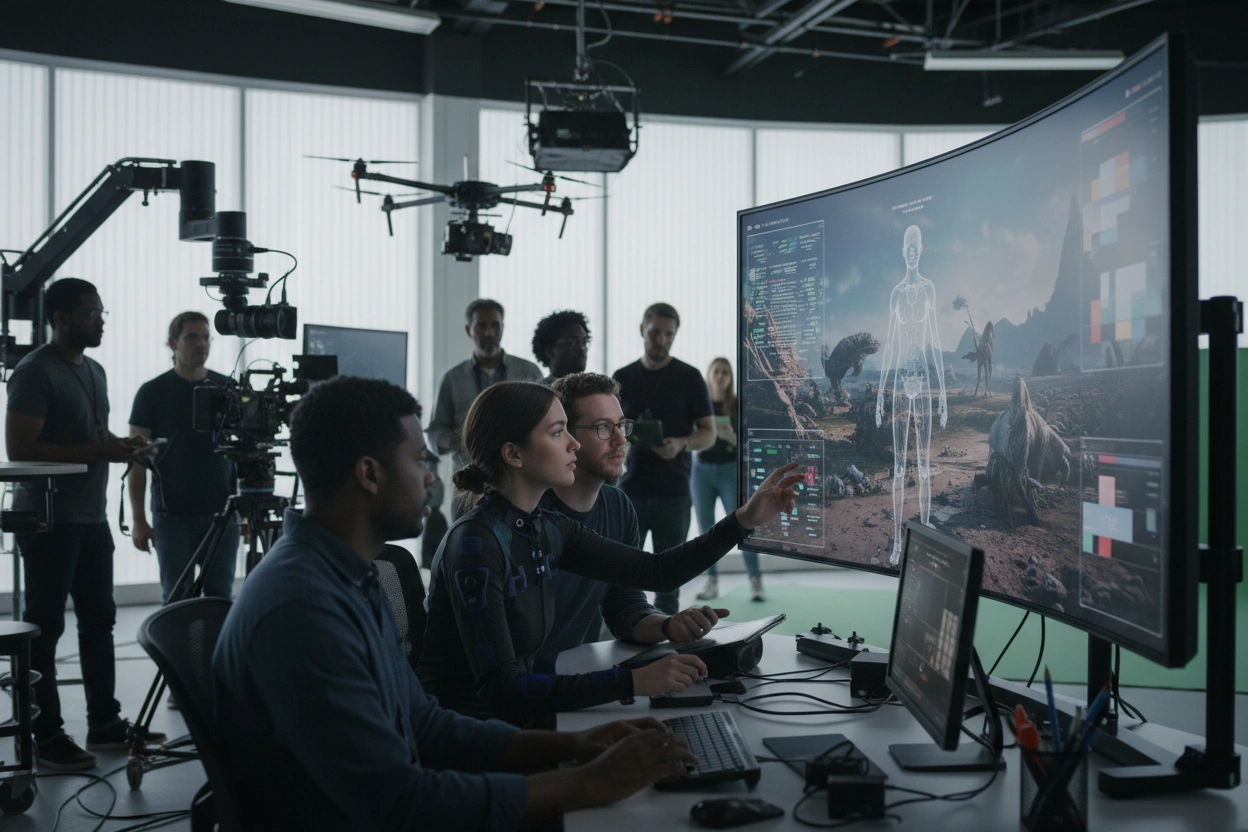
AI enhances various production stages, effectively streamlining workflows and increasing efficiency. In pre-production, AI tools assist in script analysis, enabling creators to evaluate storylines and character arcs more effectively. For example, AI-driven script analysis tools can predict audience engagement levels based on historical data, allowing writers to make informed decisions about plot developments. This not only saves time but also reduces the risk of producing content that fails to resonate with viewers.
Automation plays a significant role in optimizing production workflows. Machine learning algorithms can analyze vast amounts of data to identify the most effective shooting schedules, budget allocations, and resource management strategies. This data-driven approach minimizes human error and ensures that productions stay on track and within budget. Furthermore, AI-powered virtual production technology allows filmmakers to create immersive environments in real-time, combining live-action and CGI seamlessly. This innovation not only enhances visual storytelling but also reduces the need for extensive location shoots, saving both time and resources.
Enhancing Post-production Efficiency Through AI
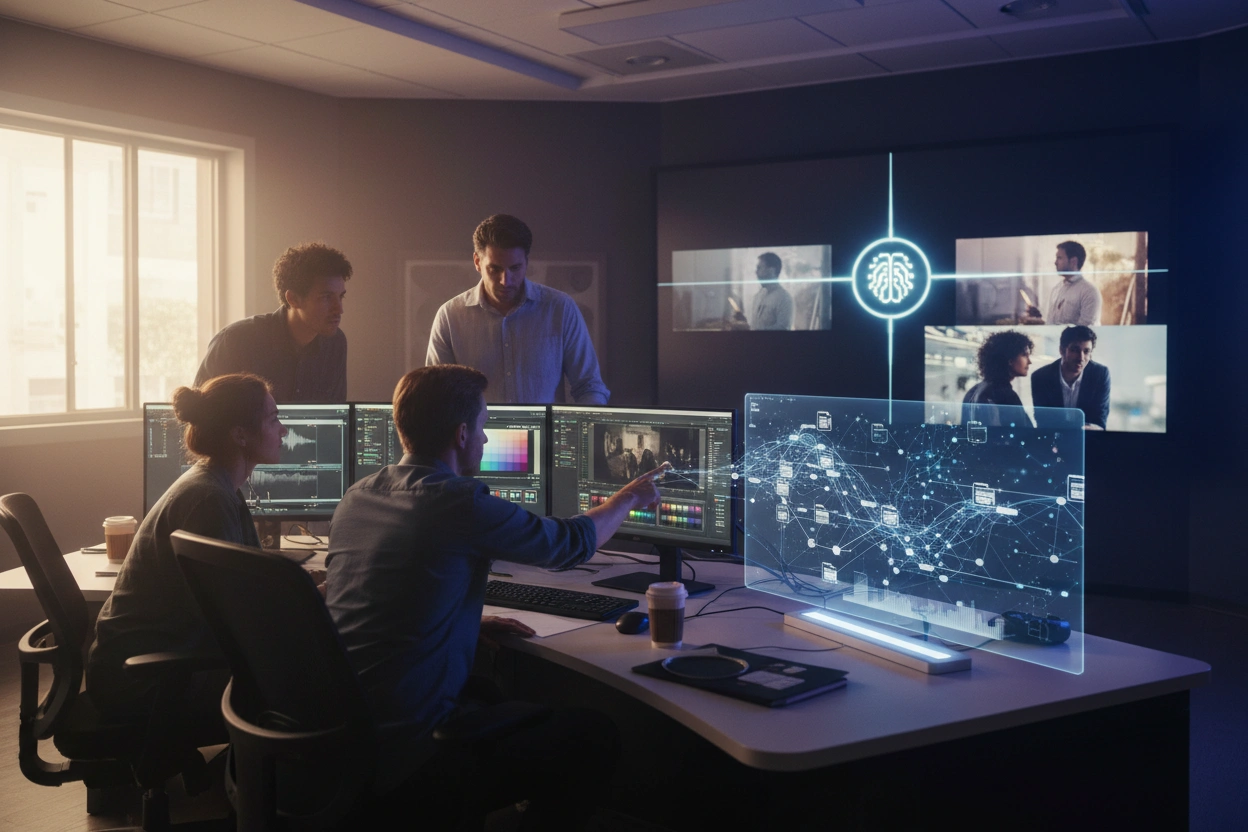
AI-driven editing tools are transforming the post-production landscape by significantly saving time and resources. Traditional editing processes often involve hours of manual labor sifting through footage to find the best takes. However, AI editing software can quickly analyze and categorize video content, identifying key moments that align with the director's vision. For instance, tools like Adobe Premiere Pro's AI features can automatically generate rough cuts, allowing editors to focus on refining the final product rather than getting bogged down in the initial assembly.
Improving visual effects with machine learning is another area where AI is making a substantial impact. AI algorithms can enhance image quality, stabilize shaky footage, and even generate realistic visual effects that would be time-consuming to create manually. This technological advancement allows visual effects artists to concentrate on more complex tasks, resulting in higher-quality outputs in a fraction of the time. The efficiency gained through AI in post-production not only accelerates project timelines but also reduces costs, enabling filmmakers to allocate resources to other creative endeavors.
The Future of Storytelling With AI-driven Technologies

AI's role in narrative development is becoming increasingly prominent as filmmakers explore new storytelling possibilities. By utilizing AI algorithms that analyze audience preferences and viewing patterns, creators can craft narratives that are more likely to resonate with viewers. This data-driven approach allows for a level of personalization previously unattainable, as filmmakers can tailor content to specific demographics or even individual preferences.
Personalization of viewer experiences is another exciting aspect of AI-driven storytelling. Streaming platforms are leveraging machine learning to analyze user behavior and recommend content that aligns with individual tastes. This not only enhances viewer satisfaction but also encourages deeper engagement with the content. As AI technologies continue to evolve, the potential for creating interactive and adaptive narratives that respond to viewer choices and preferences may redefine how stories are told in film and television.
Adapting to Film and TV Trends in the Age of AI
Emerging trends influenced by AI are reshaping the film and television landscape. One notable trend is the increasing reliance on data analytics to inform production decisions. As filmmakers harness insights from AI, they can better understand market demands, leading to the creation of content that is more likely to succeed commercially. Additionally, the rise of AI-driven content creation tools has democratized filmmaking, allowing aspiring creators to produce high-quality content without significant financial investment.
However, the integration of AI into the industry also presents challenges. Concerns about job displacement and the ethical implications of relying on algorithms for creative decisions are becoming more pronounced. Filmmakers and industry stakeholders must navigate these issues thoughtfully, ensuring that the human element of storytelling remains intact even as automation becomes more prevalent. Adapting to these trends requires a willingness to embrace change while maintaining a commitment to artistic integrity.
AI-Driven Creative Workflows in Film and Television
Artificial intelligence is rapidly reshaping film and television production workflows, from script development and pre-visualization to editing, VFX, and post-production. By accelerating repetitive tasks and unlocking new creative possibilities, AI allows creators to focus more on storytelling while reducing time and cost pressures. Understanding how these tools fit into modern workflows is becoming essential for staying competitive in an increasingly tech-driven industry.
At Edge of Show, we explore how AI is transforming creative industries by spotlighting the builders, artists, and innovators leading the change. If you want to dive deeper into how AI is influencing film, television, and creative workflows at large, tune in to the Edge of Show podcast for thoughtful conversations at the intersection of technology, culture, and creativity.
.jpg)

.jpg)
.webp)
.webp)
.webp)


.svg)


