


As artificial intelligence continues to shape industries, data centers must evolve rapidly to meet these new demands. The rise of AI workloads presents unique challenges and opportunities that require innovative approaches to infrastructure and operations. This article explores how data centers are adapting their frameworks to support the distinctive requirements of AI workloads, ensuring they remain competitive and efficient in a rapidly changing technological landscape.
The Growing Need for Scalable Data Centers
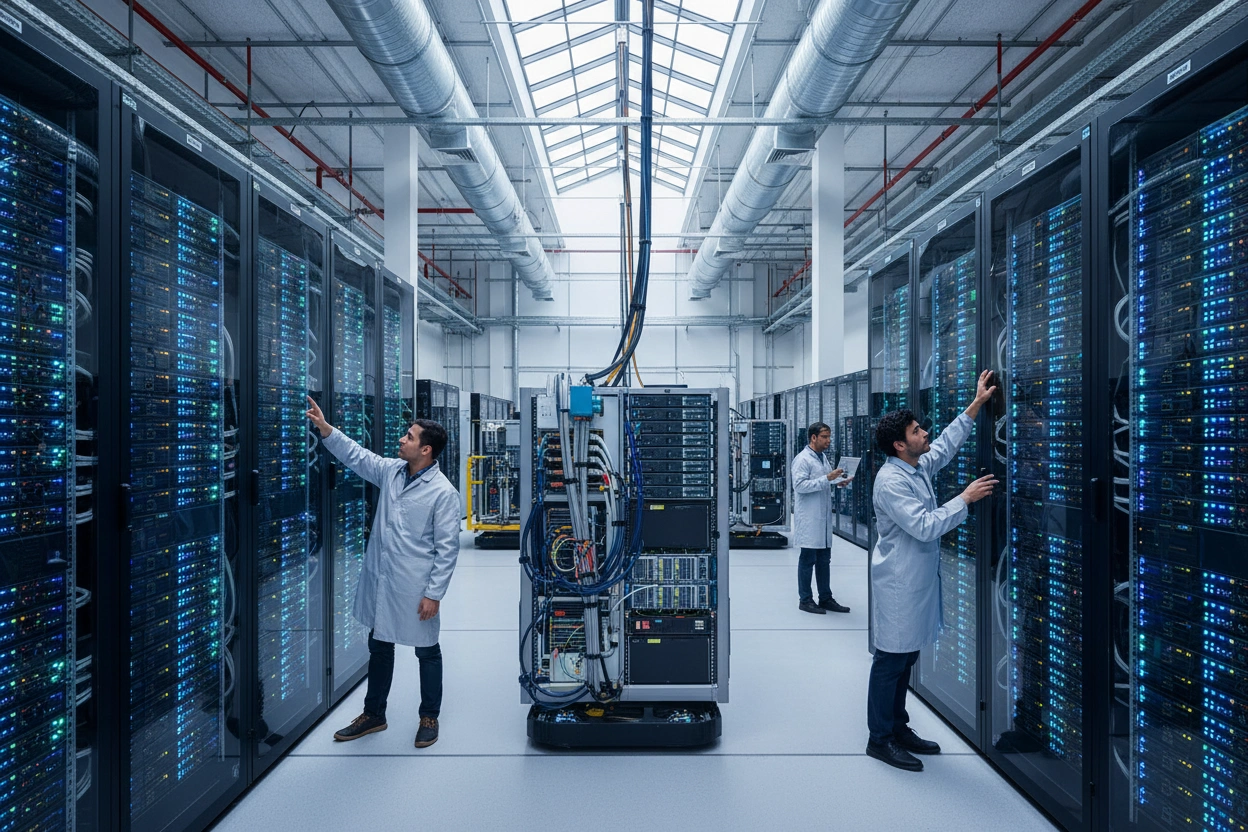
Understanding the surge in AI workloads is essential for grasping the importance of scalability in data center infrastructure. With the increasing integration of AI in various sectors, the volume of data generated and processed has skyrocketed. According to a recent study, the global AI market is projected to grow from $93.5 billion in 2021 to $895 billion by 2028, indicating a robust demand for scalable solutions that can accommodate this growth. Data centers must be designed to handle fluctuating workloads without sacrificing performance or reliability.
Scalability in infrastructure is not just about adding more hardware; it involves creating a flexible architecture that can efficiently allocate resources as needed. This means implementing modular designs that allow for easy upgrades and expansions. By leveraging technologies like virtualization and containerization, data centers can optimize their resources, ensuring that they can meet the demands of AI workloads without incurring unnecessary costs. The ability to scale resources dynamically is critical for maintaining performance during peak usage times, which is often the case with AI-driven applications.
Leveraging Data Center Automation for Efficiency
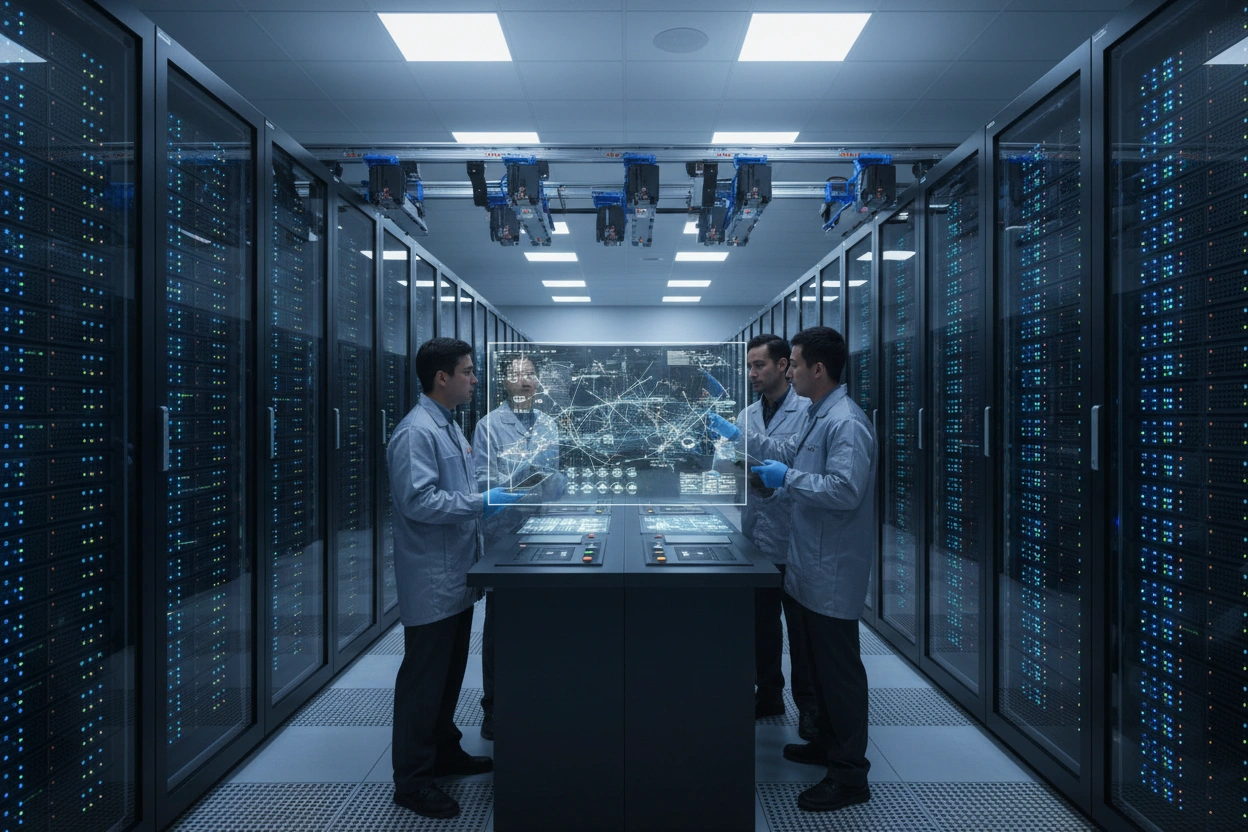
Automation plays a pivotal role in managing workloads within data centers, particularly in the context of AI applications. With the complexity of AI workloads, manual management becomes impractical and error-prone. Automated systems can streamline operations, from provisioning resources to monitoring performance, thereby reducing the potential for human error and increasing efficiency. Technologies such as machine learning algorithms can predict resource needs based on historical data, allowing data centers to allocate resources proactively.
The benefits of automated systems extend beyond simple management. For instance, automation can enhance operational efficiency by optimizing energy use and reducing downtime. By utilizing automated monitoring and alerting systems, data centers can quickly identify and address issues before they escalate into significant problems. This level of responsiveness is particularly vital for AI applications that require consistent uptime and reliability. As AI technologies continue to advance, the integration of automation in data center operations will become increasingly important.
Enhancing Energy Efficiency in Data Center Operations
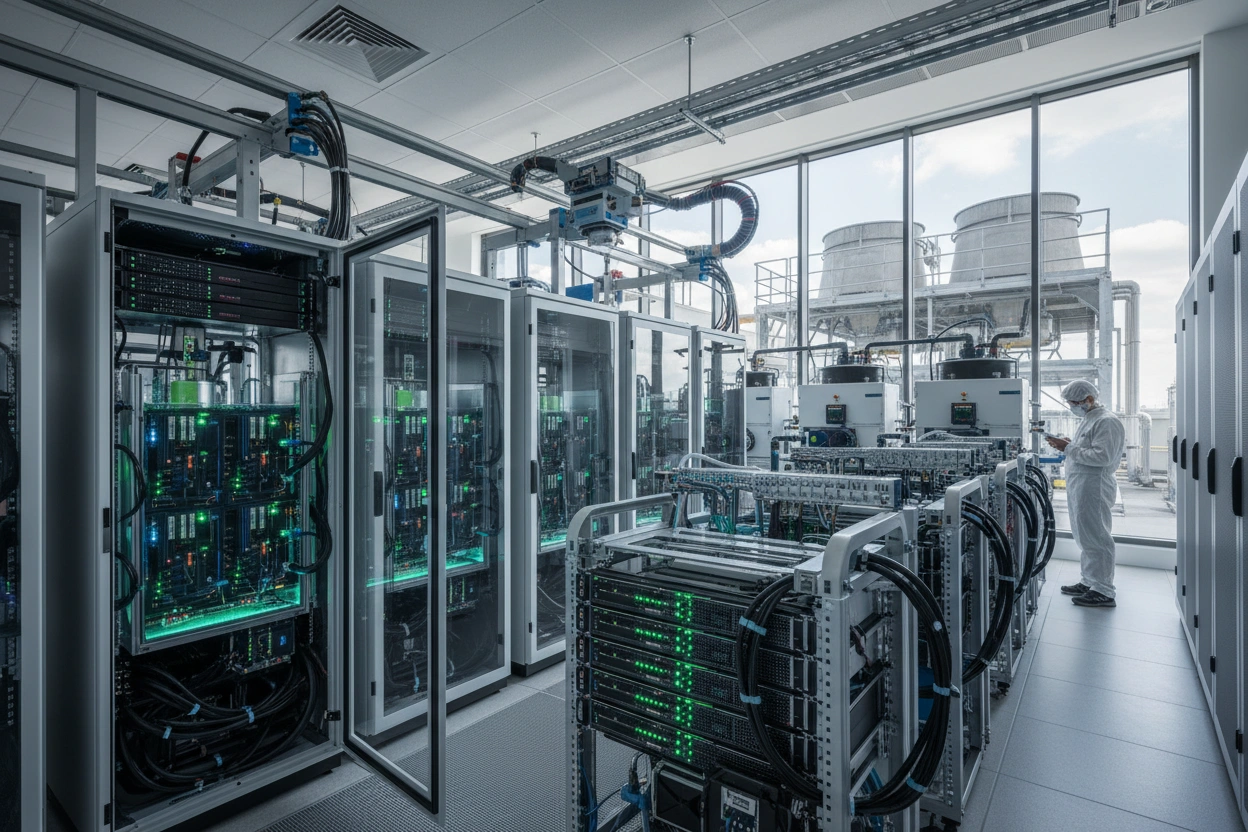
Energy efficiency is a critical consideration for data centers, especially given the substantial power demands of AI workloads. These workloads often require high-performance computing capabilities, which can lead to significant energy consumption. According to the U.S. Department of Energy, data centers account for about 2% of the total electricity consumption in the United States, and this number is projected to rise with the growing reliance on AI technologies. Therefore, implementing strategies to reduce energy consumption is not only beneficial for cost management but also essential for sustainability.
Several strategies can be employed to enhance energy efficiency in data centers. For instance, adopting advanced cooling technologies can significantly reduce energy use associated with temperature management. Using techniques like liquid cooling or free air cooling can improve thermal management while lowering energy costs. Additionally, optimizing the power usage effectiveness (PUE) ratio is a common practice. A lower PUE indicates better energy efficiency, which can be achieved through careful planning of data center layouts and efficient hardware utilization. By prioritizing energy efficiency, data centers can better support the energy-intensive nature of AI workloads while minimizing their environmental impact.
AI Infrastructure Design: Meeting Performance Demands
Designing infrastructure to meet the performance demands of AI workloads involves understanding the unique requirements of these applications. High-performance computing (HPC) is often at the core of AI infrastructure, necessitating powerful processors, ample memory, and high-speed interconnects. The architecture must support parallel processing capabilities to handle the massive datasets typically associated with AI tasks. However, achieving this level of performance can present several challenges.
One significant challenge in AI infrastructure design is ensuring that all components work seamlessly together. This includes not only hardware but also software and networking components. The integration of GPUs and TPUs has become increasingly common in AI workloads, as they provide the necessary computational power for training complex models. Furthermore, designing for scalability is essential; as AI applications evolve, the infrastructure must be able to accommodate future growth without requiring a complete overhaul. Addressing these challenges requires a thoughtful approach to AI infrastructure design that prioritizes performance, compatibility, and future-proofing.
Addressing Data Center Security in the Age of AI
As AI technologies become more prevalent, the security risks associated with data centers are also on the rise. The complexity of AI systems can introduce vulnerabilities that may be exploited by malicious actors. Ensuring data center security is paramount, especially as sensitive data is often processed and stored in these environments. The consequences of a security breach can be devastating, including data loss, reputational damage, and financial repercussions.
To safeguard data centers against these evolving threats, implementing best practices is essential. This includes adopting a multi-layered security approach that encompasses physical security measures, network security protocols, and robust access controls. Regular security audits and vulnerability assessments can help identify potential weaknesses before they can be exploited. Additionally, investing in advanced cybersecurity technologies, such as intrusion detection systems and AI-driven security solutions, can enhance the ability to detect and respond to threats in real-time. By prioritizing security measures, data centers can better protect their infrastructure and the sensitive information they manage.
How AI Workloads Are Redefining Data Center Design
AI workloads are fundamentally changing how data centers are built and operated. Increased demands for compute density, automation, cooling efficiency, and security are pushing infrastructure beyond traditional models. Organizations that adapt early will be better positioned to scale AI-driven applications without sacrificing performance or reliability.
At Edge of Show, we track how AI, Web3, and emerging technologies are reshaping the backbone of digital infrastructure. Understanding how data centers evolve to support AI workloads is essential for builders, operators, and innovators working at the edge of technology. To stay ahead of how AI is transforming data center strategy, tune in to the Edge of Show podcast.
.jpg)

.jpg)
.webp)
.webp)
.webp)


.svg)


