


The rise of blockchain technology has fundamentally altered the landscape of data center infrastructure. As organizations increasingly adopt decentralized systems, the integration of blockchain within data centers is becoming a critical consideration. This transformation is not merely about adopting new technologies; it involves rethinking data management, security protocols, and operational efficiency. By leveraging blockchain, data centers can provide enhanced security, improved data integrity, and more efficient resource management.
The convergence of blockchain with cloud computing, edge computing, and virtualization technology is reshaping how data centers are designed and managed. This article will examine the evolution of data center infrastructure influenced by blockchain technology, explore essential tools for managing these infrastructures, and provide actionable insights for IT management in this new paradigm.
The Role of Blockchain in Data Center Infrastructure
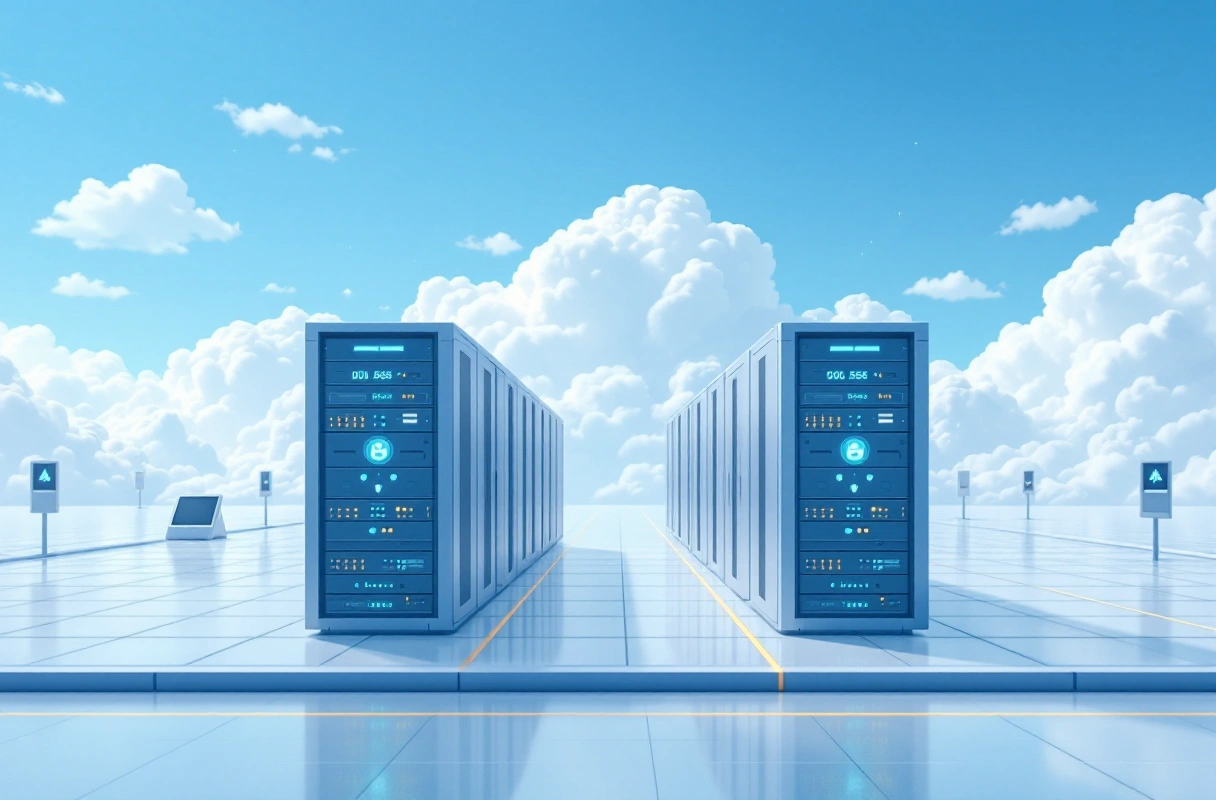
Blockchain technology introduces a new paradigm in data storage and management, enabling decentralized storage solutions that enhance data integrity and security. Traditional data centers rely on centralized servers, which can be vulnerable to data breaches and failures. In contrast, blockchain's distributed ledger technology ensures that data is replicated across multiple nodes, minimizing the risk of loss or tampering.
Advantages of Blockchain in Data Centers
- Enhanced Security
The decentralized nature of blockchain significantly reduces the risk of cyberattacks. By eliminating single points of failure, data breaches become much harder to execute. Each transaction on a blockchain is cryptographically secured, providing an additional layer of protection. - Improved Data Integrity
Blockchain's immutability ensures that once data is recorded, it cannot be altered without consensus from the network. This characteristic is particularly valuable for industries that require high levels of data accuracy and reliability, such as finance and healthcare. - Streamlined Operations
The transparency and traceability of blockchain transactions facilitate smoother operations. Organizations can track data flow and ownership in real-time, leading to improved efficiency in data management and reduced operational costs.
Common Misconceptions about Blockchain in Data Centers
- Blockchain Is Only for Cryptocurrencies
While blockchain was initially popularized by cryptocurrencies, its applications extend far beyond financial transactions. It is increasingly utilized in supply chain management, identity verification, and, crucially, data center operations. - Blockchain Is Too Complex to Implement
Many organizations hesitate to adopt blockchain due to perceived complexity. However, with the right tools and expertise, integrating blockchain into existing data center infrastructure can be a straightforward process.
Essential Tools for Managing Data Center Infrastructure

To effectively manage data center infrastructure enhanced by blockchain technology, organizations should consider various tools and solutions that facilitate monitoring, security, and optimization.
1. Virtualization Technology
Virtualization allows multiple virtual machines to run on a single physical server, optimizing resource utilization. This technology is essential for modern data centers as it supports efficient scaling and flexibility.
- Benefits of Virtualization
- Reduces hardware costs by consolidating resources.
- Simplifies backup and recovery processes.
- Enhances disaster recovery capabilities.
2. Cloud Computing Solutions
Cloud computing provides scalable resources that can be adjusted based on demand. Integrating blockchain with cloud services allows for decentralized data management while leveraging the flexibility of the cloud.
- Key Advantages
- On-demand resource availability.
- Reduced infrastructure costs.
- Enhanced collaboration across distributed teams.
3. Network Security Tools
As data centers become increasingly interconnected, robust network security tools are vital to protect sensitive information. Firewalls, intrusion detection systems, and encryption technologies are essential components of a secure data center.
- Security Practices
- Implement multi-factor authentication for access control.
- Regularly update security protocols to address emerging threats.
- Conduct routine audits and vulnerability assessments.
The Impact of Edge Computing on Data Center Infrastructure
Edge computing complements blockchain technology by processing data closer to the source, reducing latency and improving response times. This paradigm shift is essential for applications requiring real-time data processing, such as IoT devices and autonomous systems.
Benefits of Edge Computing
- Reduced Latency
By processing data at the edge, organizations can significantly decrease the time it takes to analyze and respond to information, which is crucial for applications like autonomous vehicles and smart cities. - Improved Bandwidth Utilization
Edge computing minimizes the amount of data transmitted to central servers, conserving bandwidth and reducing costs associated with data transmission.
Challenges of Implementing Edge Computing
- Integration Complexity
Merging edge computing with existing data center infrastructure can be complex. Organizations must ensure that their data management strategies accommodate both edge and centralized computing. - Security Concerns
The distributed nature of edge computing introduces new security vulnerabilities. Organizations must implement robust security measures to protect data processed at the edge.
The Future of Data Center Design
As blockchain technology continues to evolve, data center design must adapt to accommodate new requirements for security, scalability, and efficiency. Future data centers will likely incorporate modular designs, allowing for easy upgrades and expansions.
Key Trends in Data Center Design
- Modular Infrastructure
Modular designs enable organizations to scale their data center resources efficiently. This flexibility allows for rapid deployment of new technologies as they become available. - Energy Efficiency Innovations
Energy consumption remains a significant concern for data centers. Innovations in energy management, such as renewable energy sources and advanced cooling techniques, are becoming increasingly important. - Decentralized Storage Solutions
The integration of blockchain with decentralized storage models will become more prevalent. This approach enhances data security and accessibility while reducing reliance on centralized data repositories.
Common Mistakes in Data Center Management
Managing data center infrastructure can be complex, and organizations often make mistakes that hinder performance and security. Here are some common pitfalls to avoid:
- Neglecting Security Protocols
Failing to implement robust security measures can expose data centers to significant risks. Regularly updating security protocols and conducting vulnerability assessments are essential practices. - Ignoring Scalability
Designing data centers without considering future growth can lead to costly redesigns. Organizations should build scalability into their infrastructure from the outset. - Underestimating Training Needs
As new technologies are integrated, staff training becomes crucial. Organizations must invest in ongoing education to ensure that their teams are equipped to manage evolving data center environments.
The Intersection of Blockchain and Data Center Infrastructure
The integration of blockchain technology into data center infrastructure marks a pivotal moment in how organizations manage, secure, and validate their data. By embracing decentralized systems, businesses can enhance operational efficiency, strengthen data integrity, and protect critical information in ways that traditional architectures simply cannot match.
At Edge of Show, we help organizations make sense of this shift. Through clear insights and practical guidance, we empower teams to adopt blockchain-enabled solutions that align with their long-term objectives and evolving infrastructure needs.
To stay ahead of the latest developments in blockchain, decentralized infrastructure, and the future of data management, tune in to the Edge of Show podcast.
.jpg)

.jpg)
.webp)
.webp)
.webp)


.svg)


