

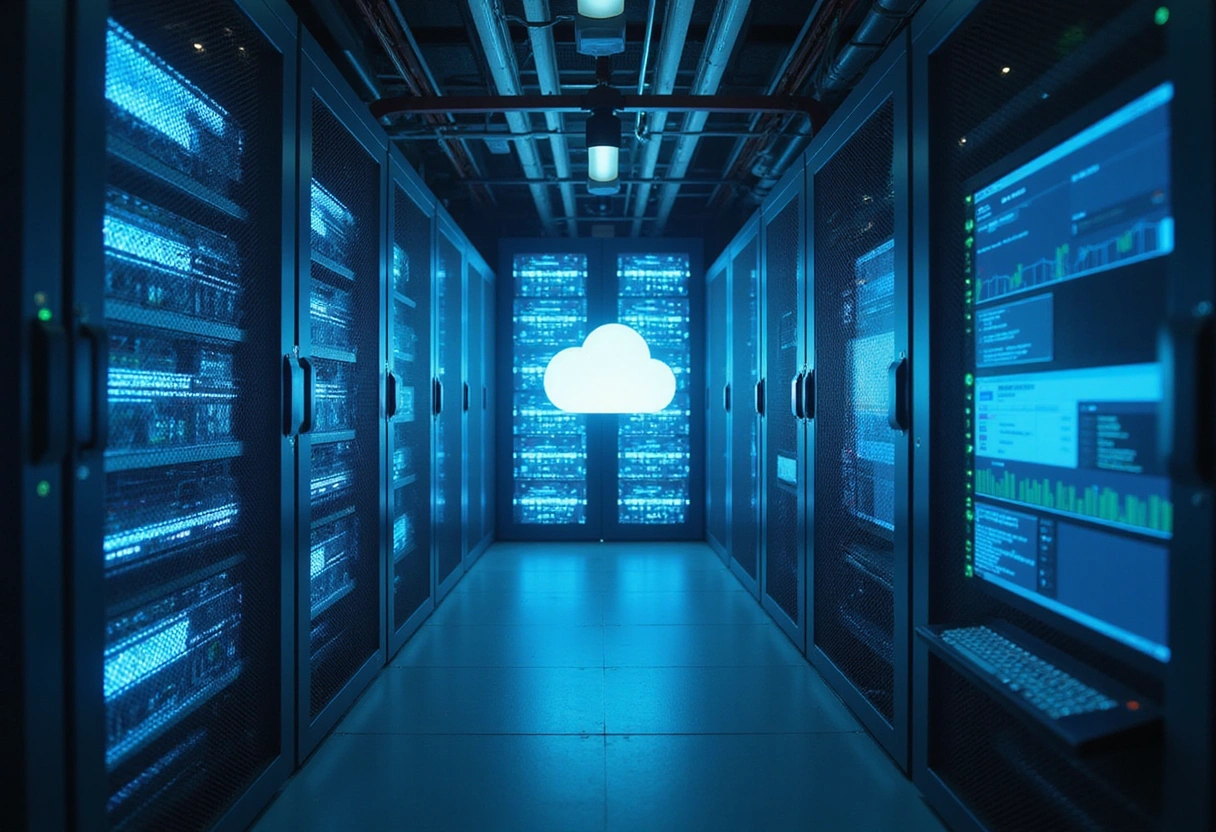
The rise of cloud computing has fundamentally changed how organizations approach data center infrastructure. As businesses increasingly migrate to cloud environments, traditional data centers must adapt to maintain efficiency, security, and scalability. This transformation is not merely a shift in technology but a rethinking of how data is managed, stored, and accessed. In 2025, understanding these changes is essential for IT managers and decision-makers aiming to leverage the benefits of cloud technology while addressing the inherent challenges.
Data center infrastructure encompasses the physical and virtual resources that support the storage, management, and dissemination of data. With advancements in cloud computing, organizations can optimize their data center designs and operational strategies, driving digital transformation across sectors. This article explores the challenges and solutions that define data center infrastructure in the context of cloud computing, along with actionable insights for successful implementation.
Understanding Data Center Infrastructure
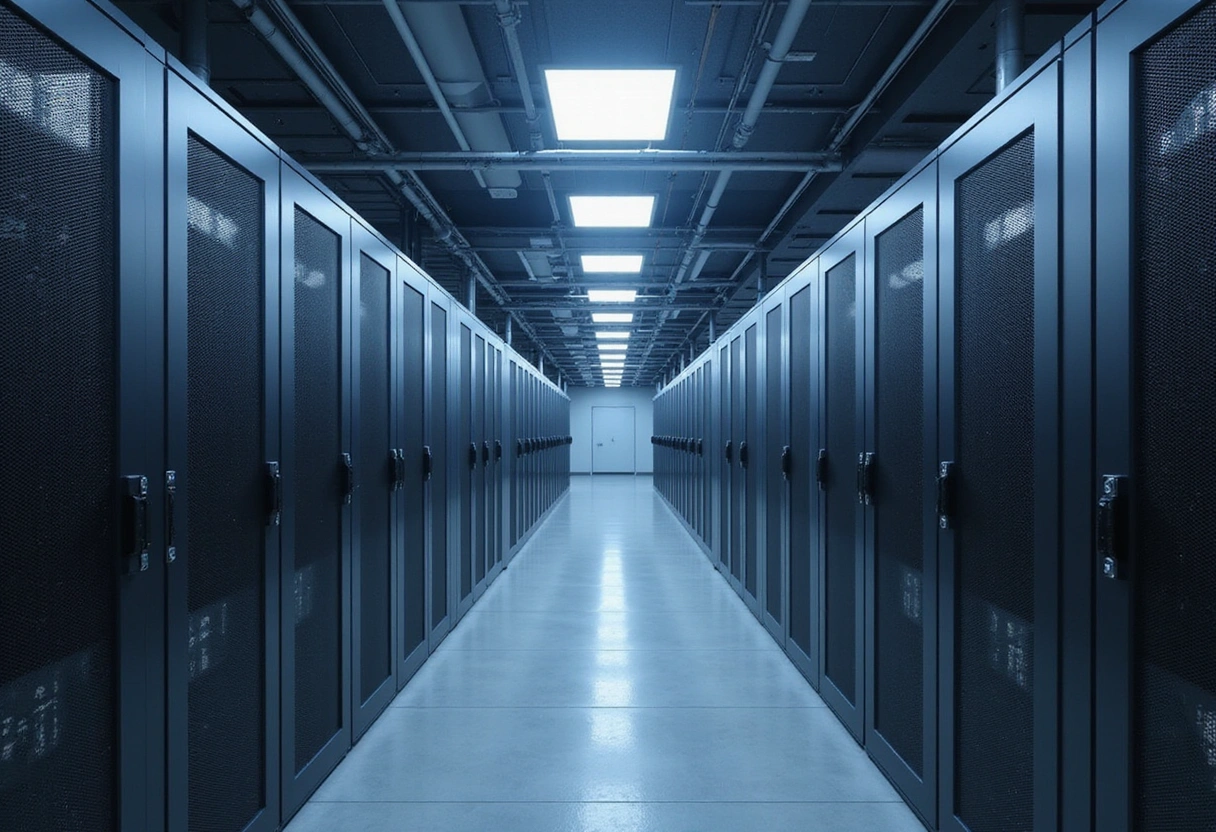
The Components of Data Center Infrastructure
Data center infrastructure consists of various components that work together to provide a robust environment for data processing and storage. Key elements include:
- Physical Servers: These are the backbone of any data center, providing the computational power needed to run applications and services.
- Networking Equipment: Routers, switches, and firewalls facilitate communication between servers and external networks, ensuring data flows seamlessly.
- Storage Solutions: This includes both on-premises and cloud-based storage options, allowing organizations to scale their storage needs as they grow.
- Virtualization Technology: This technology enables multiple virtual machines to run on a single physical server, optimizing resource utilization and improving flexibility.
Understanding these components is crucial for businesses looking to enhance their data center infrastructure. As cloud computing gains traction, organizations must evaluate how these elements can be integrated into cloud environments.
The Role of Cloud Computing in Data Center Infrastructure
Cloud computing serves as a catalyst for innovation in data center infrastructure. By leveraging cloud services, organizations can reduce their reliance on physical hardware and move towards a more flexible, scalable model. This shift can lead to several advantages:
- Cost Efficiency: Reducing the need for physical hardware lowers capital expenditures and maintenance costs. Organizations can pay for only the resources they consume.
- Scalability: Cloud services allow businesses to quickly scale their infrastructure to meet changing demands without the need for extensive hardware upgrades.
- Improved Security: Cloud providers often have robust security protocols and compliance certifications, helping organizations enhance their network security posture.
While cloud computing offers numerous benefits, it also presents challenges that organizations must navigate effectively.
Data Center Infrastructure Challenges and Solutions for 2025
As cloud computing reshapes data center infrastructure, several challenges emerge that require strategic solutions. Understanding these challenges is essential for IT managers and decision-makers.
Challenge 1: Network Security
With increased reliance on cloud services, data centers face heightened security risks. Cyberattacks, data breaches, and compliance issues can jeopardize sensitive information.
Solutions for Enhancing Network Security
- Implement Multi-Factor Authentication (MFA): MFA adds an extra layer of protection by requiring users to provide two or more verification factors to gain access to systems.
- Regular Security Audits: Conduct periodic audits to identify vulnerabilities and assess the effectiveness of existing security measures.
- Utilize Encryption: Encrypting data both in transit and at rest helps protect sensitive information from unauthorized access.
Challenge 2: Data Storage Solutions
As organizations generate vast amounts of data, traditional storage solutions may struggle to keep up with demand. This can lead to performance issues and increased costs.
Solutions for Optimizing Data Storage
- Adopt Decentralized Storage Solutions: By utilizing decentralized storage systems, organizations can distribute data across multiple locations, improving redundancy and access speed.
- Leverage Cloud Storage: Cloud storage solutions provide scalability and flexibility, allowing organizations to adjust their storage capacity based on current needs.
- Implement Data Tiering: By categorizing data based on its usage frequency, organizations can optimize storage costs and performance.
Challenge 3: Virtualization Technology
While virtualization technology offers significant benefits, it also presents challenges in management and optimization. Over-provisioning and under-utilization can lead to inefficiencies.
Solutions for Effective Virtualization Management
- Monitor Resource Utilization: Utilize monitoring tools to track resource usage and identify underutilized virtual machines.
- Automate Resource Allocation: Implement automation tools to dynamically allocate resources based on demand, ensuring optimal performance.
- Regularly Update Virtualization Software: Keeping virtualization platforms up to date ensures access to the latest features and security enhancements.
Challenge 4: Energy Innovation
Data centers are notorious for high energy consumption, contributing to increased operational costs and environmental concerns. Finding sustainable energy solutions is essential for modern data center design.
Solutions for Energy Efficiency
- Implement Energy-Efficient Hardware: Invest in energy-efficient servers and cooling systems to reduce overall energy consumption.
- Utilize Renewable Energy Sources: Transitioning to renewable energy sources, such as solar or wind, can significantly lower a data center's carbon footprint.
- Optimize Cooling Systems: Employ advanced cooling technologies, such as hot aisle/cold aisle containment, to improve energy efficiency in data centers.
Challenge 5: Edge Computing Integration
The rise of edge computing introduces additional complexity to data center infrastructure. As more data processing occurs closer to the source, traditional data center models may need to evolve.
Solutions for Integrating Edge Computing
- Assess Data Processing Needs: Evaluate which applications can benefit from edge computing to determine the best integration strategy.
- Establish Edge Nodes: Deploy edge nodes strategically to ensure low-latency access to data and applications.
- Maintain Centralized Management: Use centralized management tools to monitor and control both edge and centralized data center resources.
The Future of Data Center Infrastructure
As we look toward the future, data center infrastructure will continue to evolve in response to advancements in technology and changing business needs. Key trends to watch in 2025 include:
- Increased Adoption of Blockchain Infrastructure: As businesses look for secure and transparent ways to manage data, blockchain technology will play a more significant role in data center design and operations.
- Integration of Artificial Intelligence (AI): AI will enhance data management, security, and operational efficiency, allowing organizations to make data-driven decisions.
- Focus on Sustainability: Organizations will prioritize sustainable practices in data center operations, driven by regulatory pressures and public demand for environmentally responsible practices.
Practical Insights for IT Management
For IT managers navigating these challenges, several practical insights can enhance data center infrastructure:
- Develop a Comprehensive Cloud Strategy: A well-defined cloud strategy ensures alignment between business objectives and technology investments.
- Invest in Staff Training: Continuous training and development for IT staff will prepare them to handle emerging technologies and security challenges.
- Encourage Collaboration Across Teams: Collaboration between IT, security, and operations teams can lead to more effective solutions and improved performance.
The Intersection of Cloud Computing and Data Center Infrastructure
Cloud computing continues to reshape the way data centers operate—impacting how organizations secure networks, manage data, and innovate around energy efficiency. As Web3-native workloads, AI workloads, and distributed compute accelerate, building a resilient foundation becomes mission-critical for the years ahead.
At Edge of Show, we help organizations and builders understand how decentralized infrastructure, blockchain-based storage, and next-gen data center architecture converge. Whether you’re a Web3 enthusiast, blockchain founder, or digital creator building inside this evolving stack—data infrastructure decisions today will determine your performance tomorrow.
If you want to stay ahead of where cloud, compute, and Web3 infrastructure are heading… tune in to the Edge of Show podcast — where we break down the future of digital infrastructure and the builders shaping it.
.jpg)

.jpg)
.webp)
.webp)
.webp)


.svg)


