

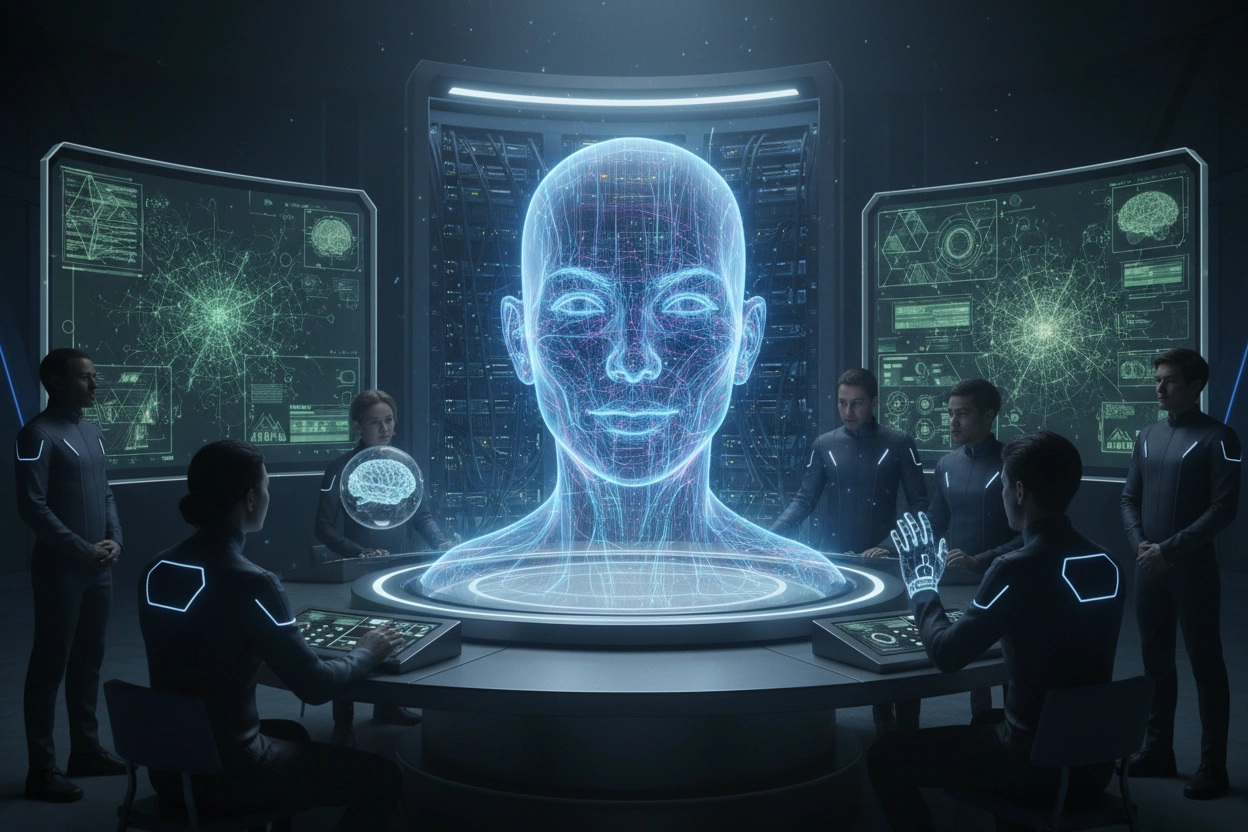
Imagine a world where actors are not bound by physical limitations, bringing stories to life in entirely new ways. This is not a distant dream but a reality being shaped by advancements in artificial intelligence. Virtual actors, created through sophisticated AI models, are transforming the entertainment landscape by providing new avenues for storytelling and performance. This article explores the fascinating intersection of artificial intelligence and virtual performance, showcasing how AI models are revolutionizing the creation of digital actors.
The Evolution of Digital Actors in Filmmaking

The journey of virtual actors in filmmaking dates back to the early days of computer-generated imagery (CGI). Initially, CGI was primarily used for special effects, but as technology advanced, so did its applications. In the late 1990s, films like "The Matrix" and "Final Fantasy: The Spirits Within" began to showcase fully animated characters that could interact within live-action settings. This marked a significant turning point, as audiences started to accept and appreciate the potential of digital actors.
As technology continued to evolve, significant advancements in graphics processing and rendering techniques allowed for more lifelike representations. By the 2010s, films such as "Avatar" and "The Jungle Book" demonstrated the incredible capabilities of virtual actors, blending them seamlessly with human performers. Today, virtual actors AI is not just a novelty; it is a viable option for filmmakers looking to push the boundaries of creativity. The ability to create characters that can perform without physical constraints opens new possibilities for storytelling and audience engagement.
Understanding AI Character Creation Techniques
AI character creation relies on complex algorithms that can analyze vast amounts of data to generate realistic animations and behaviors. At the core of this technology are deep learning models that learn from existing character performances, allowing them to produce new, unique characters. These algorithms are trained on extensive datasets, which include various acting styles, facial expressions, and movements, enabling them to mimic human performance accurately.
Deep learning in animation has transformed the way characters are designed and animated. Techniques such as neural networks can predict how a character should move in response to different stimuli, resulting in more dynamic and believable performances. This technology not only improves the quality of animations but also streamlines the production process, as animators can focus on refining character traits rather than starting from scratch. The integration of AI character creation techniques has made it easier for creators to develop compelling narratives and characters that resonate with audiences.
The Role of Motion Capture in Virtual Performance Art

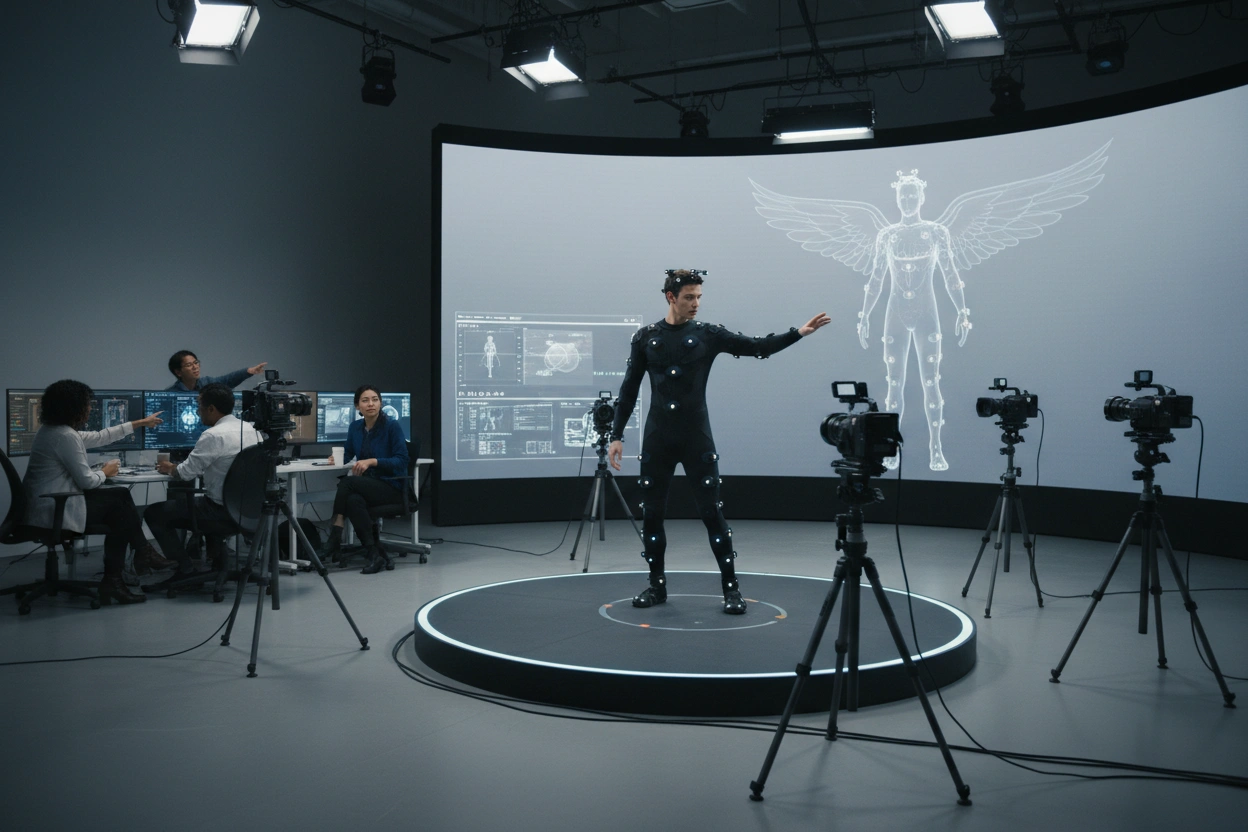
Motion capture technology has become an essential tool in the creation of virtual actors. This technology captures the movements of live performers using a series of sensors and cameras, translating their actions into digital form. The precision of motion capture allows for the creation of highly detailed animations that reflect the nuances of human movement.
Integration with AI for performance enhancement has taken motion capture to the next level. AI algorithms can analyze motion capture data to create more fluid and realistic animations. For instance, if an actor performs a specific action, AI can extrapolate from that data to generate variations of the movement, creating a more extensive range of actions for virtual actors. This synergy between motion capture and AI not only enhances the realism of virtual performances but also allows for greater creative freedom, enabling directors and animators to explore new artistic avenues.
Exploring AI-generated Content in Entertainment
The rise of AI-generated content in entertainment presents both exciting opportunities and challenges. One of the primary benefits is efficiency; AI can generate vast amounts of content quickly, from scripts to character designs. This acceleration allows creators to focus more on storytelling and less on the logistical aspects of production. Moreover, AI can analyze audience preferences and trends, providing insights that can inform creative decisions.
However, the implementation of AI-generated content raises ethical considerations. Questions about authorship, originality, and the impact on traditional roles within the entertainment industry are increasingly pertinent. As AI becomes more integrated into creative processes, it is essential to navigate these challenges thoughtfully. Ensuring that AI enhances human creativity rather than replaces it is a crucial conversation that the industry must engage in moving forward.
How AI-Driven Virtual Actors Are Shaping the Future of Entertainment
AI-generated virtual actors are redefining how stories are told, performed, and experienced. Advances in 3D modeling, machine learning, and real-time rendering are expanding creative possibilities across film, gaming, and immersive media, allowing creators to experiment with new forms of performance and narrative depth. As these tools mature, the line between digital and human performance will continue to blur, opening the door to entirely new entertainment formats.
At Edge of Show, we explore how AI, virtual actors, and emerging technologies are transforming creative industries. Our conversations break down what’s possible today, what’s coming next, and how creators can stay ahead of the curve. To dive deeper into the future of AI-powered entertainment, tune in to the Edge of Show podcast.
.jpg)

.jpg)
.webp)
.webp)
.webp)


.svg)


