


As artificial intelligence continues to evolve, the demand for powerful processing capabilities has never been greater. The rapid advancements in AI applications, from natural language processing to computer vision, require significant computational resources. This article explores the pivotal role that GPUs and specialized chips play in scaling AI infrastructure, highlighting their impact on performance and efficiency.
Understanding the Importance of GPUs in AI

GPUs, or Graphics Processing Units, have transformed the landscape of computing by significantly enhancing parallel processing capabilities. Unlike CPUs, which are optimized for sequential processing, GPUs consist of thousands of smaller cores designed to handle multiple tasks simultaneously. This architecture is particularly beneficial for AI workloads, which often involve large datasets and complex mathematical computations. The ability to perform parallel operations allows GPUs to accelerate the training of AI models, making them a vital component in the development of advanced machine learning systems.
The key role of GPUs in training complex AI models cannot be overstated. For instance, deep learning algorithms that power neural networks require extensive computations during the training phase. GPUs can reduce the time needed for training from weeks to days or even hours, depending on the model's complexity and the size of the data. This efficiency is crucial for researchers and developers who need to iterate quickly and refine their models to achieve better accuracy. The performance of GPUs in AI applications is supported by numerous studies that have demonstrated their superiority over traditional CPU-based processing.
Exploring Specialized Chips for Enhanced AI Processing
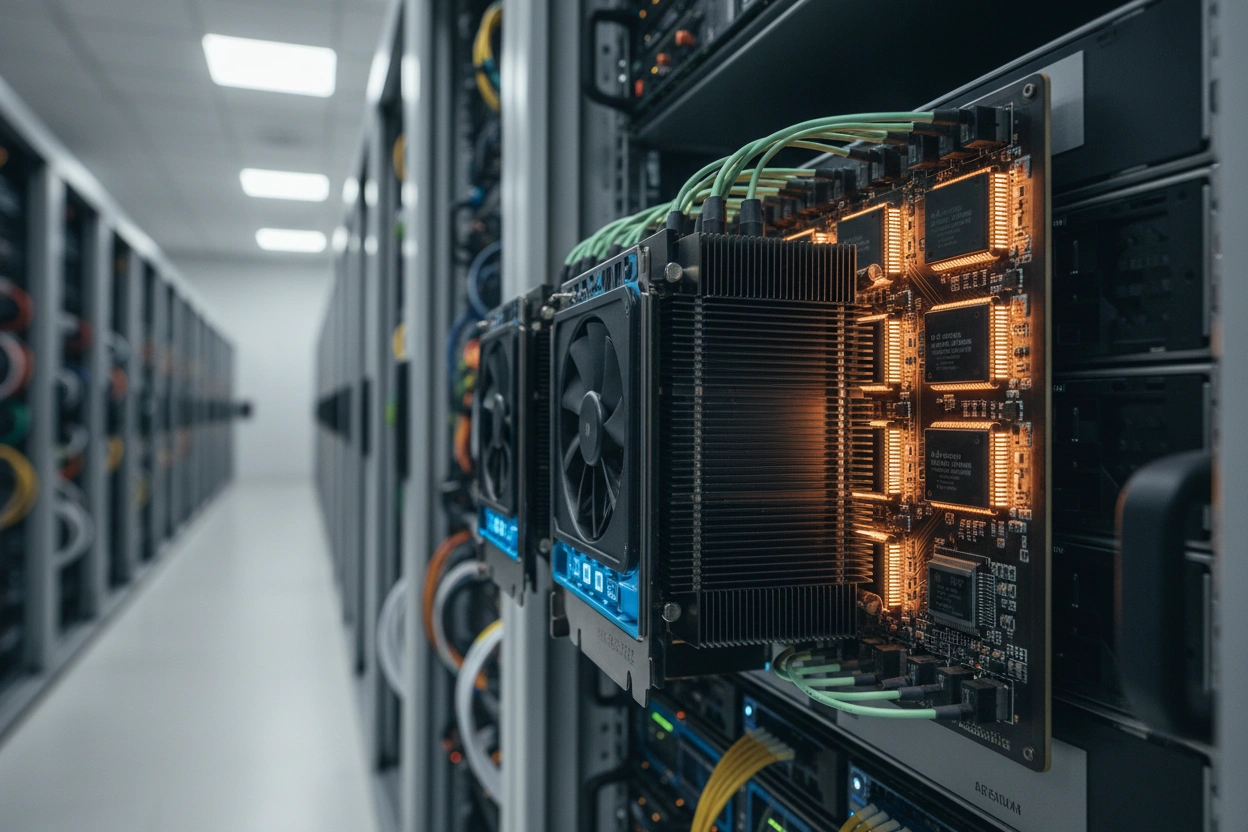
In addition to GPUs, specialized chips have emerged as essential tools for enhancing AI processing capabilities. These chips, which include Tensor Processing Units (TPUs), Application-Specific Integrated Circuits (ASICs), and Field-Programmable Gate Arrays (FPGAs), are designed specifically for AI workloads. Each type of specialized chip offers unique advantages, making them suitable for different applications within the AI ecosystem.
Machine learning chips, such as TPUs developed by leading chip manufacturers, are optimized for tensor calculations, which are foundational to deep learning. These chips can outperform general-purpose processors in specific tasks, offering significant speed and efficiency improvements. For example, TPUs can accelerate the training of large-scale neural networks, leading to faster deployment of AI models in production environments. The advantages of using these specialized chips extend beyond performance; they also include reduced power consumption and lower operational costs, making them attractive options for businesses looking to scale their AI infrastructure.
AI Hardware Requirements for Optimal Performance
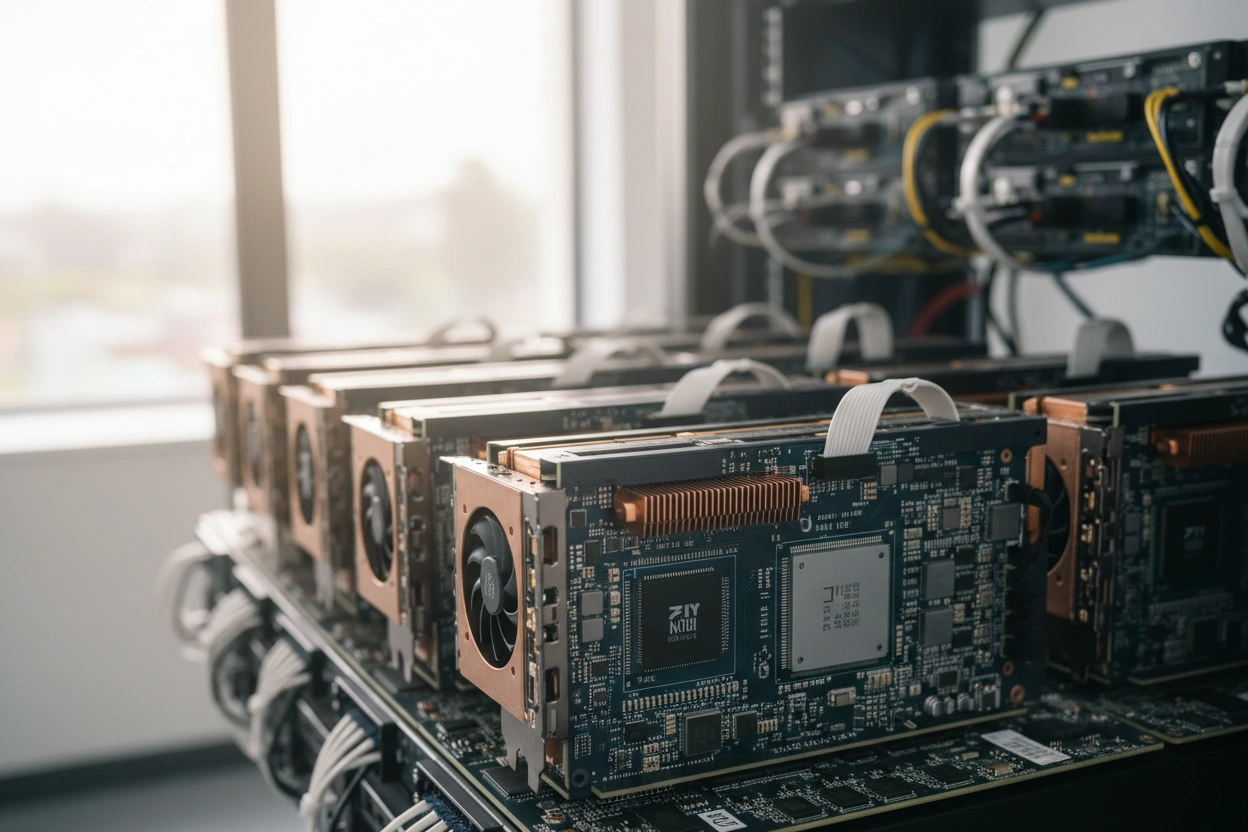
To build an effective AI infrastructure, understanding the essential components is critical. This includes selecting the right combination of GPUs, specialized chips, and supporting hardware such as memory, storage, and networking solutions. Each component plays a significant role in ensuring that the AI systems can handle the demands of training and deploying complex models.
The choices made regarding AI hardware can significantly impact scaling capabilities. For instance, using high-bandwidth memory can enhance data transfer rates between the GPU and system memory, while choosing the right storage solutions can reduce latency during data retrieval. Additionally, network infrastructure must be robust enough to support the high data throughput required for distributed training environments. By carefully considering these hardware requirements, organizations can optimize their AI systems for better performance and scalability.
The Future of AI Processing Units
The landscape of AI chip manufacturing is evolving rapidly, with emerging trends indicating a shift towards more specialized and efficient processing units. The demand for high-performance computing for AI is driving innovation in chip design, leading to the development of new architectures that can handle increasingly complex workloads. Manufacturers are focusing on creating chips that not only offer superior performance but also integrate seamlessly with existing AI frameworks and ecosystems.
As AI applications continue to grow in complexity, the impact of high-performance computing on AI will become even more pronounced. Innovations such as neuromorphic computing, which mimics the human brain's neural structure, are being explored to enhance processing efficiency and enable real-time decision-making capabilities. This evolution in AI processing units will likely redefine how AI systems are built and deployed, paving the way for more advanced applications across various industries.
Why GPUs and Specialized Chips Are Powering AI at Scale
GPUs and specialized chips have become foundational to scaling modern AI workloads. Their ability to handle parallel processing, optimize energy efficiency, and accelerate model training allows organizations to meet the growing computational demands of AI systems. Selecting the right hardware stack is now a strategic decision that directly impacts performance, scalability, and long-term innovation.
At Edge of Show, we explore how advances in AI hardware are reshaping infrastructure decisions across industries. From GPUs to custom silicon, understanding these shifts helps builders and operators design systems ready for the next wave of AI adoption. To stay ahead of how AI hardware is driving scalable innovation, tune in to the Edge of Show podcast.
.jpg)

.jpg)
.webp)
.webp)
.webp)


.svg)


