

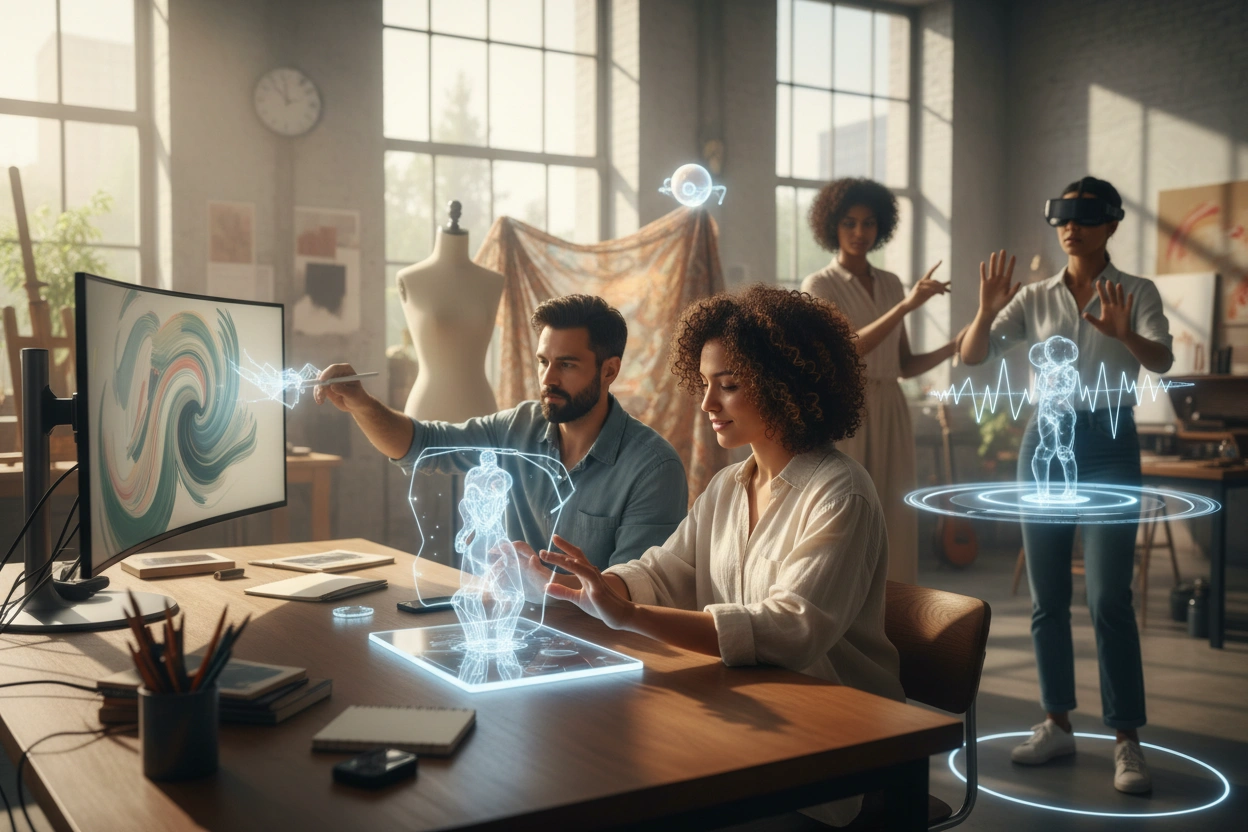
In a world where technology is rapidly evolving, the intersection of AI and creativity offers exciting possibilities for creators. From writers and musicians to visual artists and filmmakers, the introduction of AI tools presents a unique opportunity to enhance creative processes. However, as these technologies become more integrated into artistic practices, the question arises: how can creators leverage AI without relinquishing their unique artistic vision and control over their work? This article explores how creators navigate this balance, ensuring their creativity remains at the forefront while utilizing AI advancements.
Exploring the Intersection of AI and Creativity
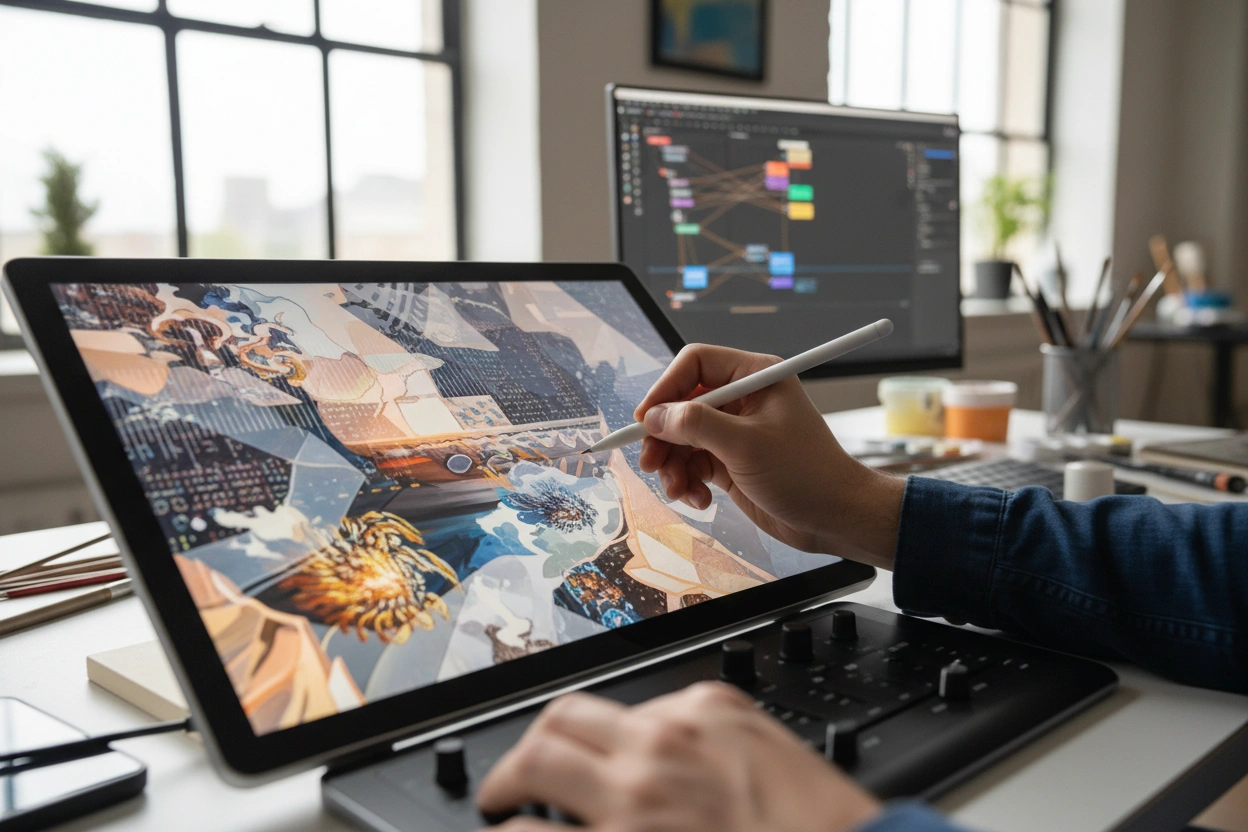
Understanding the role of AI tools in creative processes is essential for anyone involved in the arts today. AI technology can assist creators by streamlining repetitive tasks, generating ideas, and offering insights based on data analysis. For instance, AI writing tools can suggest plot points or character developments, allowing authors to overcome writer's block. Similarly, AI-driven design tools can help graphic designers explore various styles and layouts, enabling them to focus on refining their core concepts rather than getting bogged down in technical details.
The benefits of integrating AI in artistic endeavors extend beyond mere efficiency. AI tools can foster collaboration and experimentation, enabling creators to push the boundaries of their work. For example, musicians can utilize AI algorithms to mix tracks or suggest chord progressions, leading to innovative soundscapes that might not have been conceived through traditional methods. By embracing AI, creators can enhance their artistic capabilities, leading to works that reflect both human ingenuity and technological advancement.
Maintaining Artistic Integrity in the Age of AI

Despite the advantages of AI, creators face significant challenges when incorporating these tools into their workflows. One of the primary concerns is the potential loss of artistic integrity. As AI systems generate content, there is a risk that the end product may feel impersonal or lack the emotional depth that characterizes truly great art. To combat this, creators must develop strategies to ensure their creative control remains intact.
Establishing clear guidelines for how AI is used in the creative process is one effective approach. For instance, creators can define specific roles for AI, such as using it for brainstorming or technical tasks while retaining final decision-making authority. Additionally, regular reflection on the creative process can help artists assess whether their work aligns with their original vision. By remaining actively involved in the creative decisions and treating AI as a tool rather than a replacement, creators can maintain their unique voice and artistic integrity.
Practical Applications of AI in Various Creative Fields
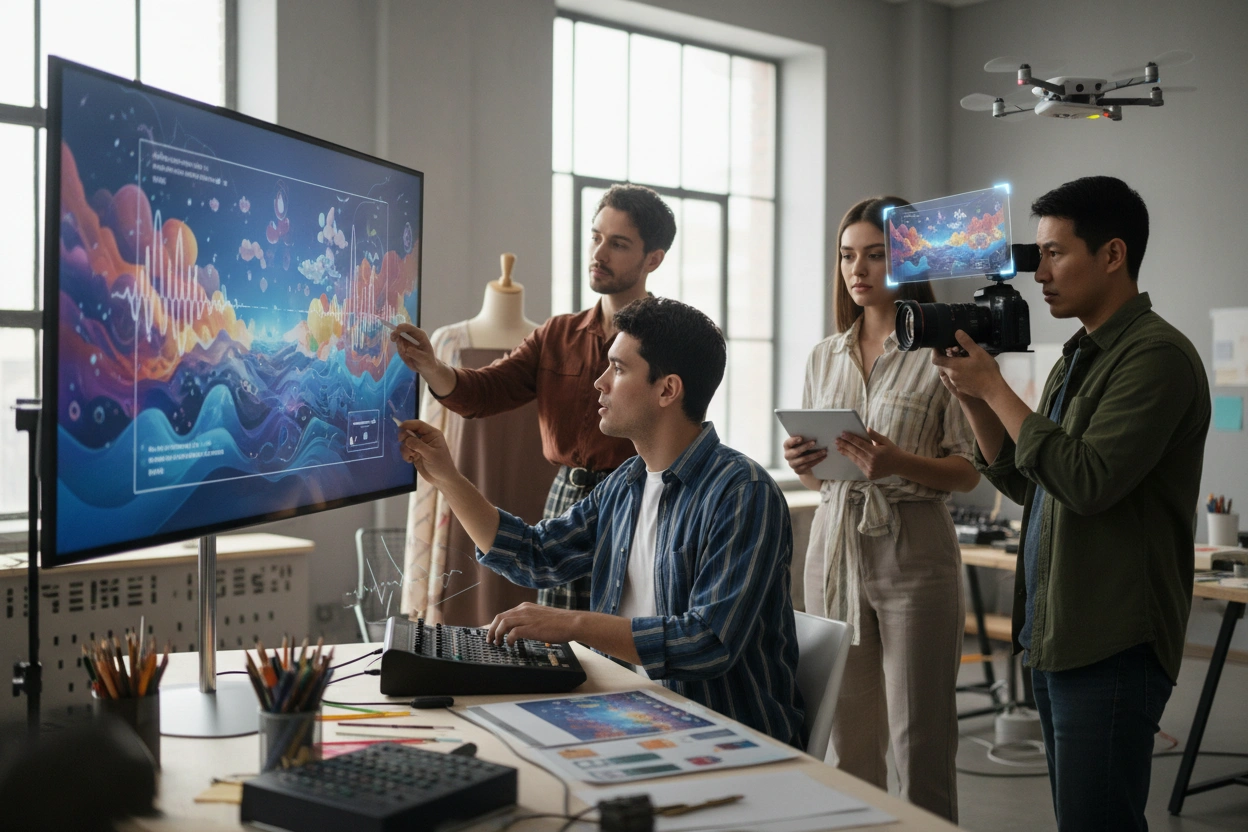
The practical applications of AI tools vary across different creative fields, significantly impacting how content is produced. In the realm of video production, AI technologies are being employed to automate editing processes, allowing filmmakers to focus on storytelling and visual aesthetics. For example, AI can analyze footage to identify the best takes or even suggest edits based on pacing and rhythm, resulting in a more polished final product while saving valuable time.
Similarly, AI is making waves in music production and design. Artists can now utilize AI algorithms to create unique sounds or to assist in the mixing process. AI-driven music tools can analyze existing tracks to suggest harmonies or melodies, helping musicians explore new creative avenues. In graphic design, AI tools can generate multiple design variations based on user input, facilitating a more dynamic and efficient creative workflow. These applications illustrate how AI can enhance creativity rather than diminish it.
The Future of AI in the Creator Economy
AI is reshaping the creator economy, fundamentally altering how content is produced and consumed. As AI tools become more sophisticated, they are likely to play an increasingly prominent role in creative practices. For instance, AI-generated content is projected to become more prevalent, prompting creators to adapt their skills to remain relevant in a changing landscape. The ability to leverage AI effectively will likely differentiate successful creators from their peers.
Predictions for the role of AI in future creative practices suggest a growing emphasis on collaboration between humans and machines. As AI continues to evolve, we may see the emergence of hybrid creative processes where artists work alongside AI systems to produce original works. This collaboration could lead to a new genre of art that blends human emotion with machine precision, offering audiences fresh and innovative experiences. Understanding these trends will be essential for creators aiming to thrive in an AI-driven economy.
Preserving Creative Control in an AI-Driven Creator Economy
As AI becomes more embedded in creative workflows, the real challenge for artists is not adoption—but balance. Used intentionally, AI can accelerate production and unlock new forms of expression, but creators must remain actively involved to ensure their vision, voice, and values stay intact. Establishing clear creative boundaries allows AI to serve as a tool, not a replacement, for artistic decision-making.
At Edge of Show, we explore how creators across Web3, music, film, and digital media are navigating this balance in real time. Through conversations with artists and technologists pushing the boundaries responsibly, we highlight practical ways to embrace AI without losing creative identity. To hear directly from those shaping the future of creativity, tune in to the Edge of Show podcast.
.jpg)

.jpg)
.webp)
.webp)
.webp)


.svg)


