


In the rapidly evolving world of game development, cost efficiency has become a critical focus for studios. As budgets tighten and competition increases, game developers are seeking innovative solutions to streamline processes and reduce costs. One of the most promising avenues is the integration of artificial intelligence (AI) into various aspects of game production. This article explores how game studios are harnessing the power of AI to streamline asset creation, reduce costs, and enhance overall production efficiency.
Transforming Asset Creation Through AI Innovations

Game studios are increasingly turning to AI innovations to transform the way they create assets. AI applications in asset creation range from procedural content generation to automated character design and texture creation. These technologies enable developers to generate high-quality assets rapidly, significantly reducing the time and resources traditionally required. For instance, procedural generation algorithms can create expansive worlds or intricate landscapes automatically, allowing developers to focus their efforts on storytelling and gameplay mechanics.
The benefits of automated asset generation are manifold. Not only does it lead to a decrease in development costs, but it also allows for greater experimentation and creativity. Studios can quickly iterate on designs and explore various artistic directions without the constraints of manual labor. This flexibility can lead to unique and engaging experiences that may not have been feasible within traditional development timelines. As game studios increasingly adopt these AI tools, they position themselves to respond more effectively to player demands and market trends.
Enhancing Game Design With Machine Learning Techniques
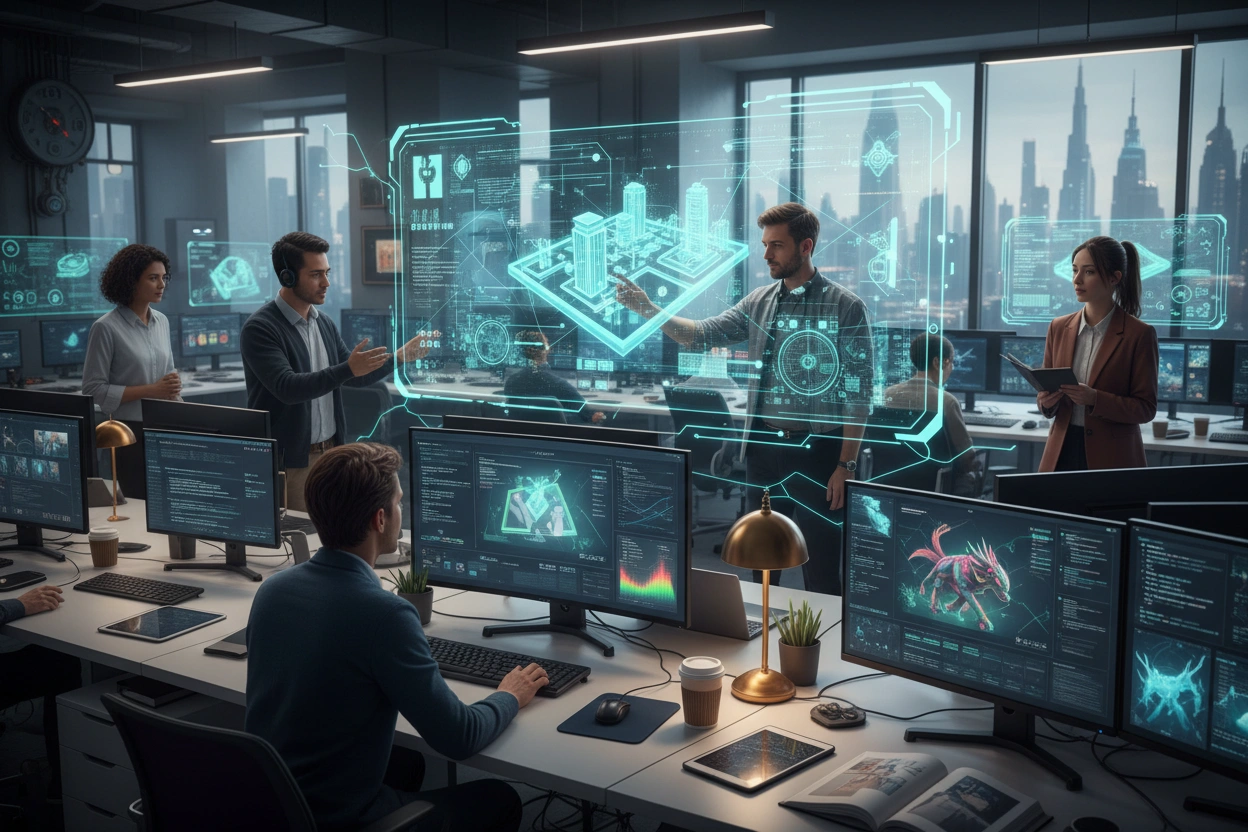
Machine learning plays a pivotal role in enhancing game design, providing developers with powerful tools to analyze player behavior and optimize gameplay. By leveraging machine learning algorithms, studios can gain insights into player preferences, enabling them to tailor experiences that resonate more deeply with their audience. This data-driven approach can inform everything from level design to difficulty balancing, ensuring a more engaging player experience.
Several case studies illustrate the successful integration of AI in game design. For example, a popular game studio utilized machine learning to analyze player interactions, identifying patterns that led to improved game mechanics and enhanced player satisfaction. By employing AI-driven analytics, they were able to adjust difficulty levels dynamically, creating a more personalized experience for each player. This approach not only improved player retention rates but also reduced development costs by minimizing the need for extensive playtesting.
Driving Production Efficiency With AI-driven Analytics

Young people are transforming how studios approach production efficiency. By utilizing advanced data analytics, developers can track player behavior in real-time, gaining insights into how users interact with their games. This information is invaluable for making informed design decisions, as it allows teams to pinpoint areas that may require adjustments or enhancements. For example, if a particular level sees a high drop-off rate, studios can analyze the data to identify what might be causing frustration and adjust the design accordingly.
Moreover, AI-driven analytics can optimize marketing efforts by identifying target demographics and tailoring promotional campaigns to specific audiences. This strategic approach not only maximizes the effectiveness of marketing budgets but also aligns game development with player expectations. By using data to inform decisions, studios can streamline their production processes and focus resources on the most impactful areas, ultimately leading to cost reductions.
Cost Reduction Strategies in Game Development
The integration of AI into game development offers various strategies for cost reduction. One effective approach is the use of AI for automated game testing. Traditional testing methods can be labor-intensive and time-consuming, often requiring extensive human resources. By implementing AI-driven testing solutions, studios can significantly reduce the time spent on quality assurance, allowing developers to allocate their efforts to more creative tasks.
Balancing creativity with budget constraints is essential for studios aiming to remain competitive. AI tools can facilitate this balance by automating repetitive tasks, thereby freeing up developers to focus on innovative gameplay features and artistic elements. For instance, AI can assist in generating animations or sound effects, reducing the burden on artists and sound designers. By leveraging these technologies, studios can maintain high production values while adhering to tighter budgets.
How AI Is Reshaping Cost Efficiency in Game Development
AI is changing how game studios approach production by reducing costs without compromising creativity. From procedural asset generation to automated testing and player behavior analytics, AI-driven tools are streamlining workflows and shortening development cycles. As adoption grows, studios are discovering new ways to allocate resources more efficiently while still delivering richer player experiences.
At Edge of Show, we explore how emerging technologies like AI are transforming creative industries, including gaming. Our conversations dive into the real-world strategies studios are using today—and what’s coming next. To stay ahead of how AI is redefining game development economics, tune in to the Edge of Show podcast.
.jpg)

.jpg)
.webp)
.webp)
.webp)


.svg)


