

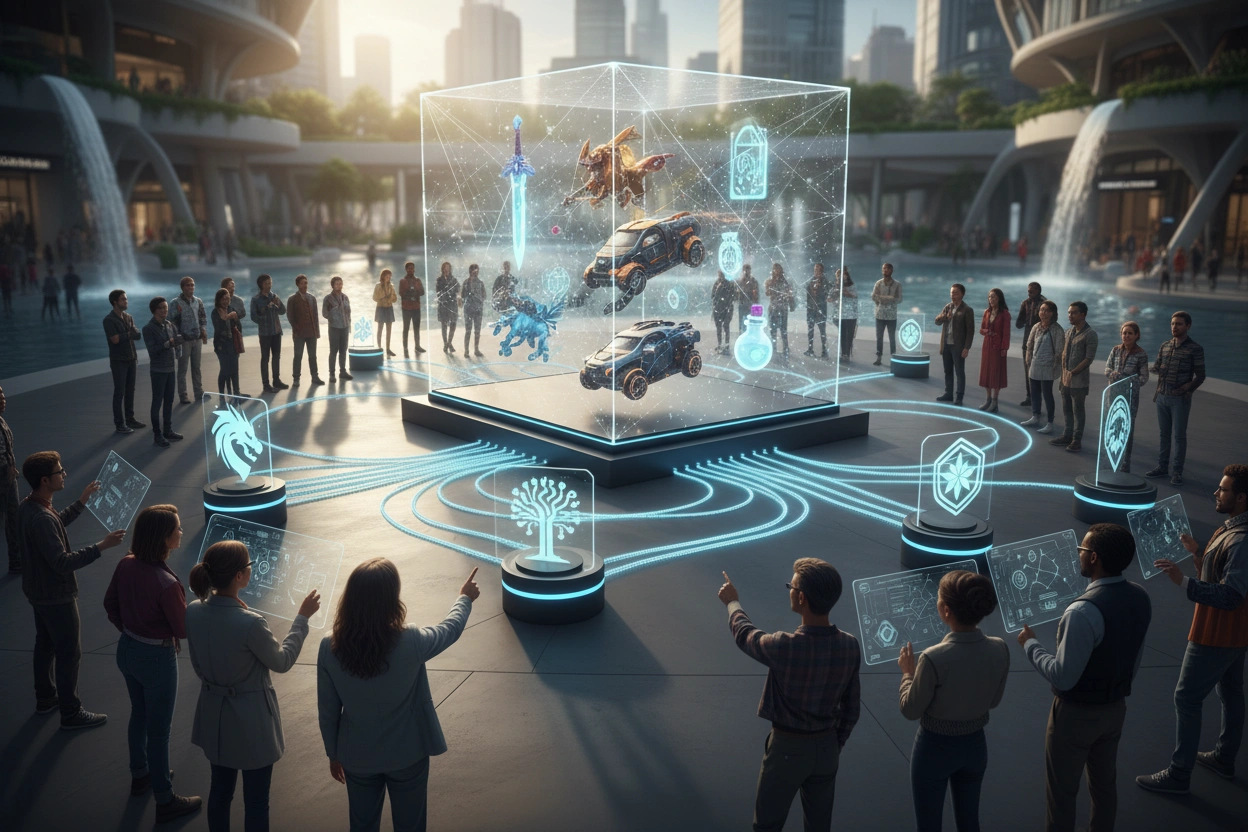
Imagine a gaming world where your assets transcend individual games and platforms. Players could seamlessly transfer characters, weapons, and virtual currencies between different games, enhancing their overall experience. This vision is becoming a reality with the rise of Web3 technologies, which are redefining the gaming landscape. In this article, we will explore how in-game assets achieve true interoperability across Web3 networks and why this is significant for decentralized gaming.
Understanding the Concept of Interoperability in Gaming

Interoperability in gaming refers to the ability of in-game assets to function across various platforms and games without restrictions. This concept allows players to use their virtual possessions in different gaming environments, fostering a more integrated gaming experience. For example, an armor set acquired in one game could be used in another, creating a sense of continuity and ownership for the player.
Web3 technologies play a crucial role in enhancing asset interoperability. By leveraging decentralized networks, these technologies enable a standardization of asset formats and ownership verification. In essence, Web3 allows different games to recognize and utilize the same in-game assets, thus bridging the gap between isolated gaming ecosystems. This interconnectedness not only enriches player engagement but also encourages developers to create more versatile and appealing gaming experiences.
The Role of Blockchain in Enabling Asset Interoperability
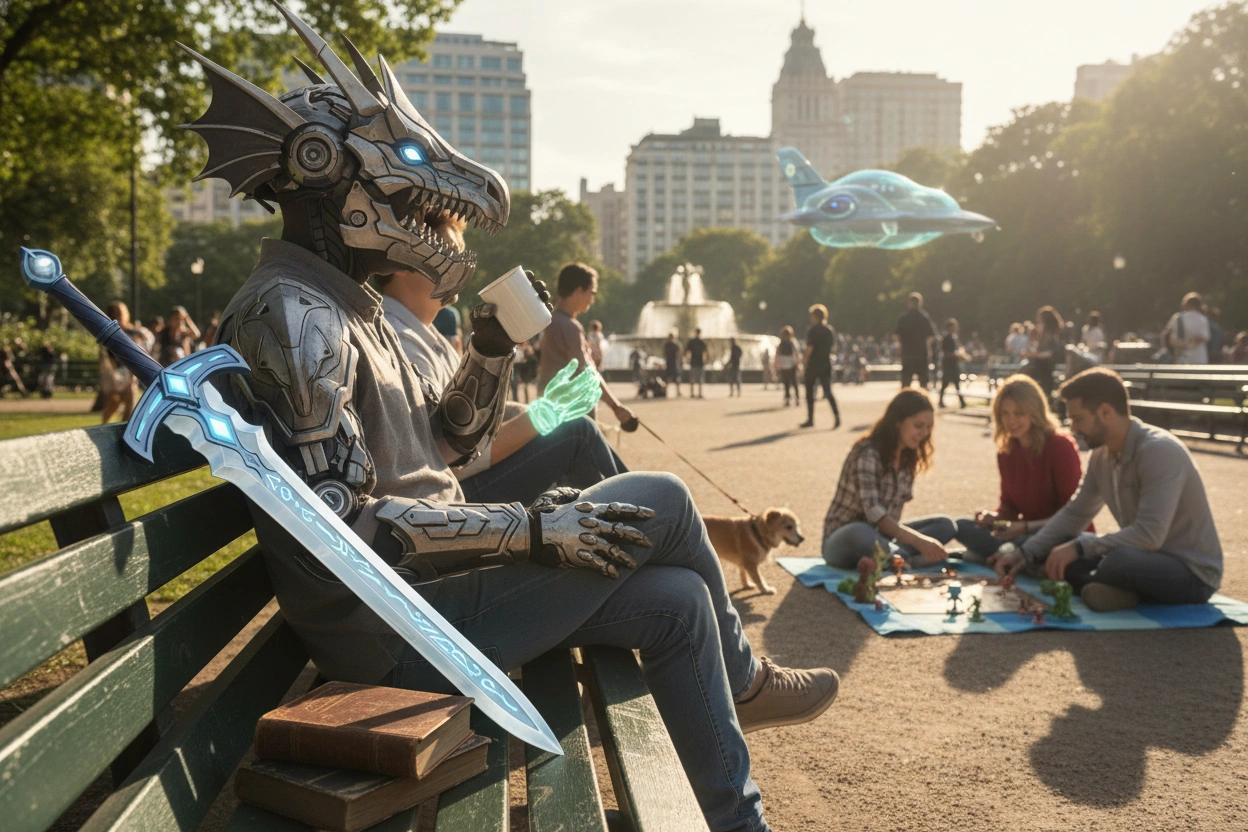
Blockchain technology is foundational to achieving seamless exchanges of in-game assets. At its core, blockchain provides a decentralized ledger that ensures transparency and security. Each transaction involving an asset is recorded on this ledger, which allows players to verify ownership and provenance effortlessly. This transparency is vital for building trust among players, especially when trading or selling their virtual assets.
Smart contracts are another essential aspect of blockchain that significantly impacts asset ownership. These self-executing contracts automatically enforce the terms of an agreement when certain conditions are met. For example, a smart contract can facilitate the transfer of an in-game item from one player to another without the need for intermediaries. This automation reduces the risk of fraud and enhances the efficiency of transactions, making it easier for players to exchange their blockchain game assets across different platforms.
Key Advantages of Interoperable NFTs in Gaming
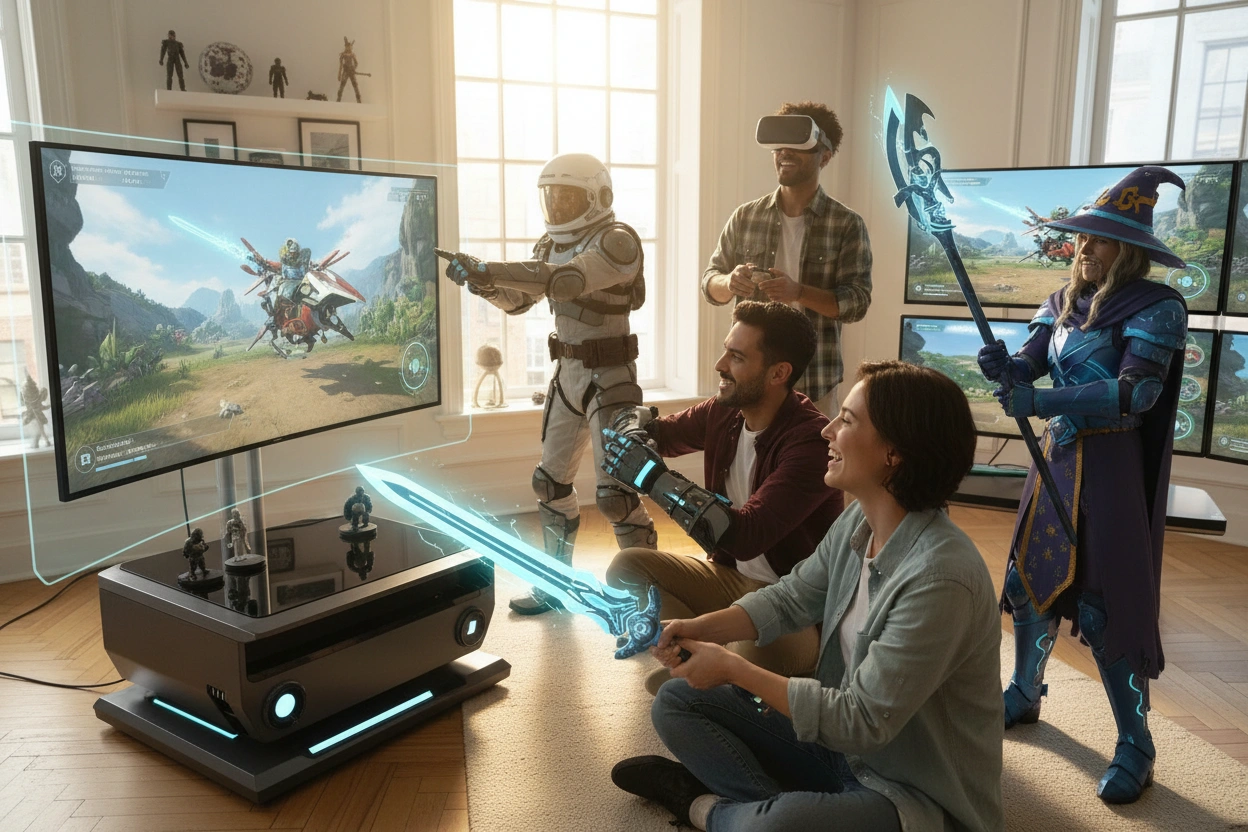
Interoperable NFTs (non-fungible tokens) offer several advantages that enhance player engagement and create new revenue opportunities within decentralized gaming. One of the most notable benefits is asset portability. Players can carry their NFTs from one game to another, allowing them to maintain a consistent identity and experience across multiple gaming environments. This portability fosters a sense of belonging and loyalty among players, as they can invest time and resources into building their digital personas.
Additionally, the potential for new revenue streams is significant in a decentralized gaming ecosystem. Developers can create unique in-game assets that can be traded or sold in various marketplaces. This opens up opportunities for monetization that were previously unavailable in traditional gaming models. By leveraging NFT interoperability, developers can attract a broader audience and encourage in-game purchases, thereby increasing their overall profitability in a competitive market.
Challenges Facing Interoperable Asset Implementation
Despite the promising advantages, there are several challenges associated with implementing interoperable assets in gaming. One of the primary technical hurdles is the lack of standardization in asset formats across different platforms. Without a unified framework, it becomes difficult for developers to create assets that can be seamlessly used in multiple games. This fragmentation can lead to inconsistent user experiences and hinder adoption.
Market fragmentation further complicates the situation. As new decentralized gaming platforms emerge, they often operate in isolation from one another. This lack of integration can limit the growth of a cohesive gaming ecosystem, making it challenging for players to fully utilize their assets. Developers must address these challenges to create a more interoperable environment that encourages widespread adoption and enhances the overall gaming experience.
Future Trends in Game Development and Asset Integration
Looking ahead, several trends are expected to shape the future of game development and asset integration within decentralized gaming. One prediction is the increasing use of cross-platform functionalities, which will allow players to engage with their assets across various ecosystems. As more games adopt blockchain technology, the potential for interoperability will grow, leading to richer gaming experiences.
Developers who leverage interoperability effectively can position themselves for growth in this evolving landscape. By creating assets that can be used across multiple platforms, they can attract a larger player base and foster community engagement. Additionally, incorporating user feedback into the development process will be essential for creating appealing and functional in-game assets that resonate with players.
How Interoperable Assets Are Shaping the Future of Web3 Gaming
True interoperability in Web3 gaming goes beyond shared technology—it reflects a broader vision for connected digital worlds. Blockchain and NFTs enable players to own, move, and trade assets across platforms, breaking down the silos that traditionally define individual games. This shift opens the door to richer player experiences and long-term value that extends beyond any single title.
At Edge of Show, we explore how developers and gamers are navigating the challenges and opportunities of interoperable asset design. From standards and infrastructure to gameplay implications, understanding these mechanics is key to building the next generation of decentralized gaming ecosystems. To stay ahead of how interoperability is redefining Web3 gaming, tune in to the Edge of Show podcast.
.jpg)

.jpg)
.webp)
.webp)
.webp)


.svg)


