


As robots increasingly integrate into our daily lives, understanding their safety is paramount. The deployment of robotic systems in various environments, especially those that involve direct interaction with humans, necessitates a robust framework of safety constraints. This article explores the essential safety constraints governing robots that operate alongside humans, covering regulatory standards, technical safety features, and the dynamics of human-robot interaction.
Navigating Regulatory Standards for Robot Safety
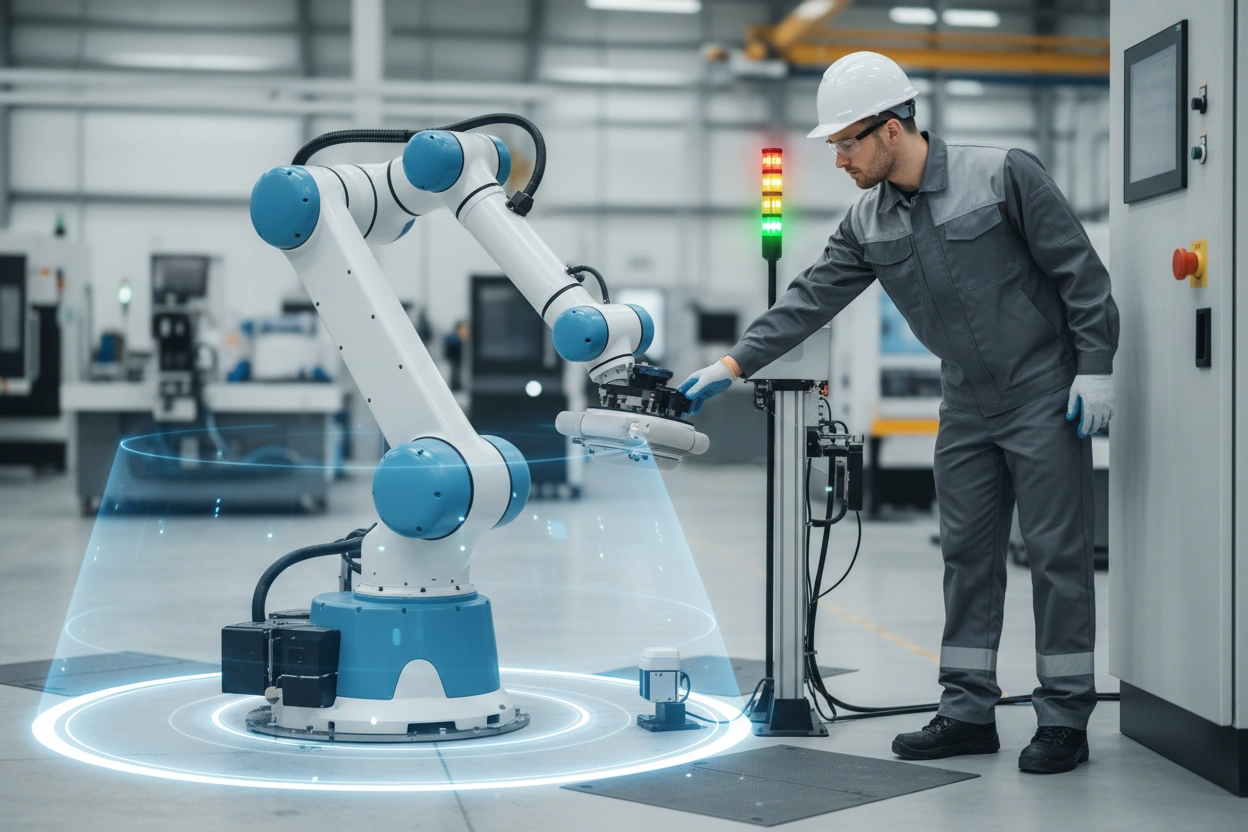
The landscape of robot safety standards is continually evolving, driven by advancements in technology and increasing integration of robots in workplaces and public spaces. Various regulatory bodies have established guidelines that outline the safety measures necessary to protect human operators and bystanders. Notable standards include ISO 10218 for industrial robots and ISO/TS 15066 for collaborative robots, which provide a foundation for understanding safety requirements in robotic applications.
Compliance with these robot safety standards is not merely a legal obligation but also a critical aspect of risk management. Organizations that adhere to established safety regulations can minimize liability, enhance operational efficiency, and improve overall trust in robotic systems. In 2026, the emphasis on compliance has grown, particularly as robots become more autonomous and capable of complex tasks. Companies must regularly review and update their safety protocols to align with current regulations and best practices.
Technical Features Enhancing Robot Safety
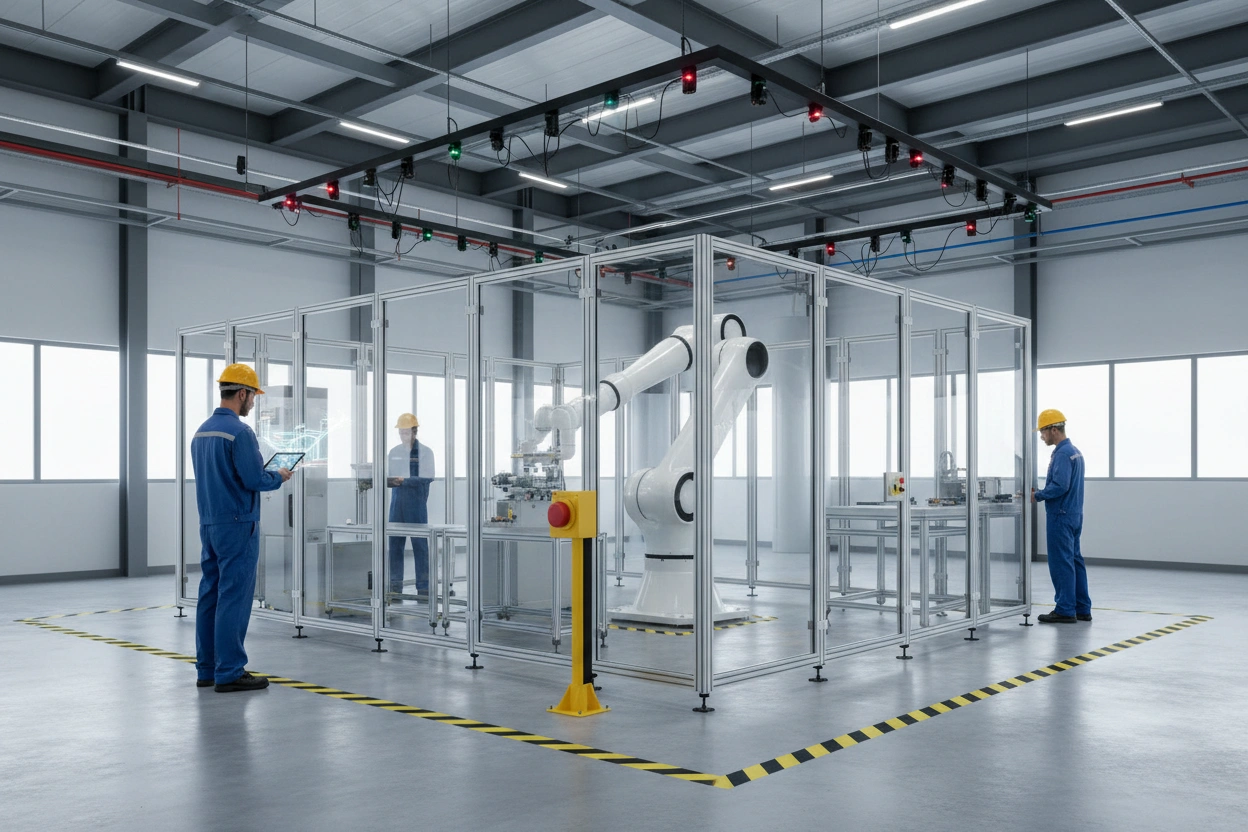
The safety of robotic systems is significantly enhanced by incorporating various mechanical and software safety mechanisms. These include physical barriers, emergency stop functions, and fail-safe systems designed to halt operations in the event of a malfunction. Moreover, software safety protocols, such as redundancy in control systems and robust error-checking algorithms, play a crucial role in ensuring operational safety.
Sensors and monitoring systems are also vital for robot operation safety. Proximity sensors, cameras, and LiDAR enable robots to detect and respond to their environments, helping to prevent accidents. For instance, a collaborative robot equipped with vision systems can recognize human presence and adjust its speed or halt operations to avoid collisions. As technology advances, these systems become increasingly sophisticated, allowing for real-time data processing and decision-making, thereby enhancing safety measures.
Understanding Human-Robot Interaction Dynamics
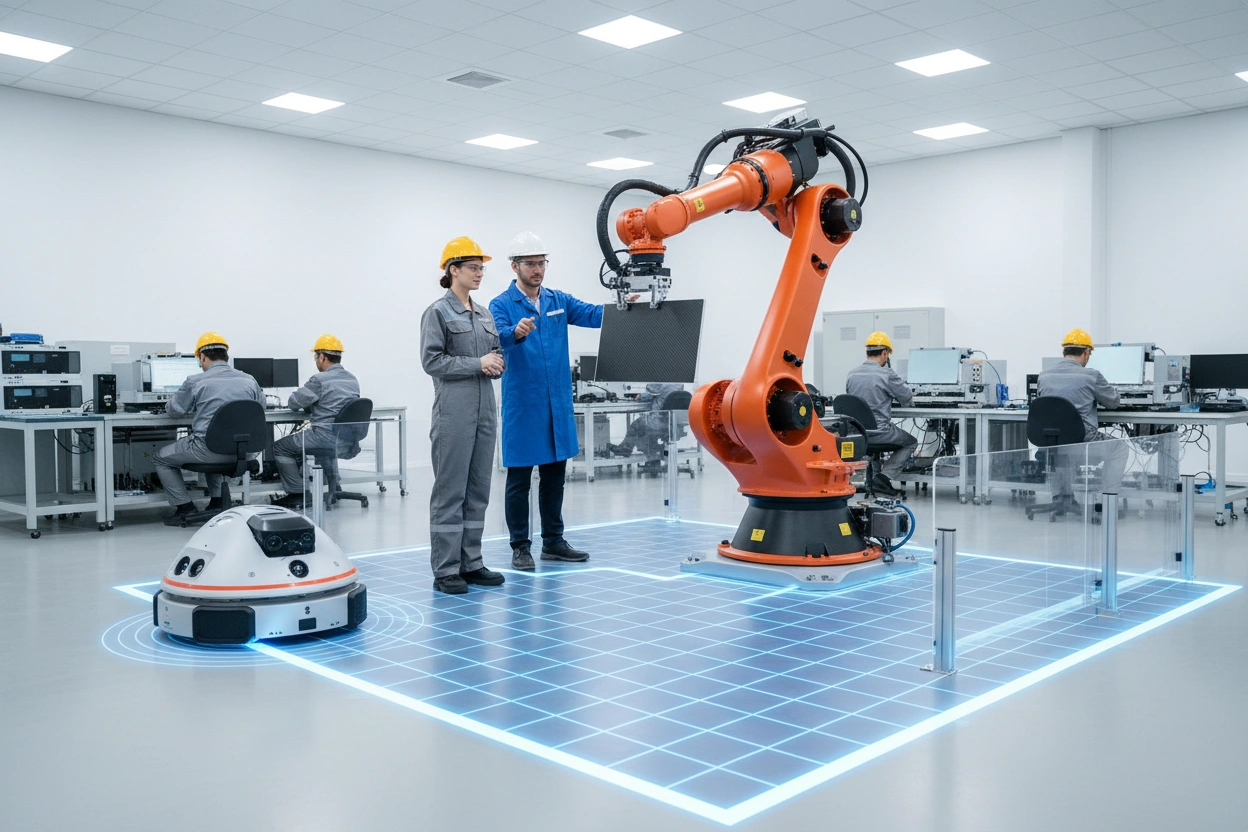
Human-robot interaction is a critical factor in ensuring safety in environments where robots operate alongside people. The user experience in robot safety cannot be overstated; it directly impacts how humans perceive and interact with robotic systems. Effective communication, such as visual or auditory signals, can alert humans to a robot's actions, reducing the risk of accidents.
Best practices for effective human-robot collaboration include designing robots that are intuitive and user-friendly. Training programs for human operators should emphasize understanding robotic capabilities and limitations, fostering a culture of safety awareness. Regular drills and simulations can prepare users for unexpected scenarios, ensuring that they know how to react appropriately. By prioritizing the human aspect of robot interactions, organizations can significantly enhance safety outcomes.
Challenges in Enforcing Safety Constraints
Despite the established safety standards and technical features, several challenges persist in enforcing safety constraints for robots. One significant barrier is the rapid pace of technological advancement, which often outstrips existing regulations. This lag can lead to gaps in safety measures, as new robotic capabilities may not be adequately addressed by current guidelines.
Ongoing training and awareness are essential to overcoming these challenges. Organizations must invest in continuous education for their workforce to keep pace with technological changes and evolving safety protocols. Encouraging a proactive approach to safety, where employees are engaged and informed about the latest safety practices, is crucial for effective implementation. Additionally, fostering an open dialogue about safety concerns can help identify potential issues before they escalate.
Designing Safer Human–Robot Environments
As robots become more integrated into workplaces, healthcare, and public spaces, safety constraints are no longer optional—they are foundational. Effective human–robot interaction depends on clear standards around sensing, movement limits, fail-safes, and real-time decision-making, all supported by evolving regulations. Collaboration between manufacturers, regulators, and end users will be critical to ensure robots operate predictably and safely alongside humans.
At Edge of Show, we explore how emerging technologies intersect with real-world risk, governance, and innovation. From robotics and AI safety to broader Web3 and frontier tech conversations, we break down what matters and why it matters now. To stay informed on how safety, policy, and innovation evolve together, tune in to the Edge of Show podcast.
.jpg)

.jpg)
.webp)
.webp)
.webp)


.svg)


