


NFTs have transcended their initial role as mere collectibles. Initially heralded as a novel way to own digital art and collectibles, these tokens have found broader applications in various sectors, particularly within Web3 entertainment. This article explores the multifaceted role of NFTs in the Web3 entertainment landscape, examining their applications beyond just collectibles and highlighting their impact on gaming, artistic expression, immersive experiences, and community engagement.
Exploring the Expansion of NFTs in Gaming

The integration of NFTs into gaming has revolutionized player ownership and interaction. Traditionally, gamers have invested time and money into virtual worlds without true ownership of their in-game assets. With NFTs, players can now buy, sell, and trade unique digital items, providing a sense of real ownership that was previously absent. This shift not only enhances the gaming experience but also allows players to monetize their gameplay through secondary markets.
In addition to ownership, the integration of blockchain technology ensures secure transactions. Blockchain provides a transparent and immutable ledger, which helps in verifying the authenticity of digital assets. This feature is particularly significant in the gaming industry, where counterfeit items can undermine the integrity of the game. As a result, players can confidently engage in transactions, knowing that their assets are protected. The emergence of NFT marketplaces specifically for gaming assets further facilitates this process, making it easier for players to access and trade their unique items.
The Role of NFTs in Artistic Expression

NFTs have emerged as a powerful tool for artists, enabling them to retain ownership of their work while also establishing new revenue streams. In the traditional art world, artists often face challenges in monetizing their creations due to middlemen and the complexities of distribution. NFTs eliminate these barriers by allowing artists to sell their work directly to consumers on decentralized platforms. This direct-to-consumer model empowers artists to set their prices and retain a larger share of the profits.
Moreover, NFTs enable artists to implement smart contracts that automatically pay them a percentage of future sales. This feature ensures that artists benefit from the appreciation of their work over time, creating a sustainable income model. As artists continue to embrace NFTs, we see a diversification of artistic expression, with digital art, music, and even virtual fashion gaining traction in the NFT space. This evolution not only broadens the scope of what art can be but also democratizes access to artistic creation and consumption.
Transforming Metaverse Experiences With NFTs
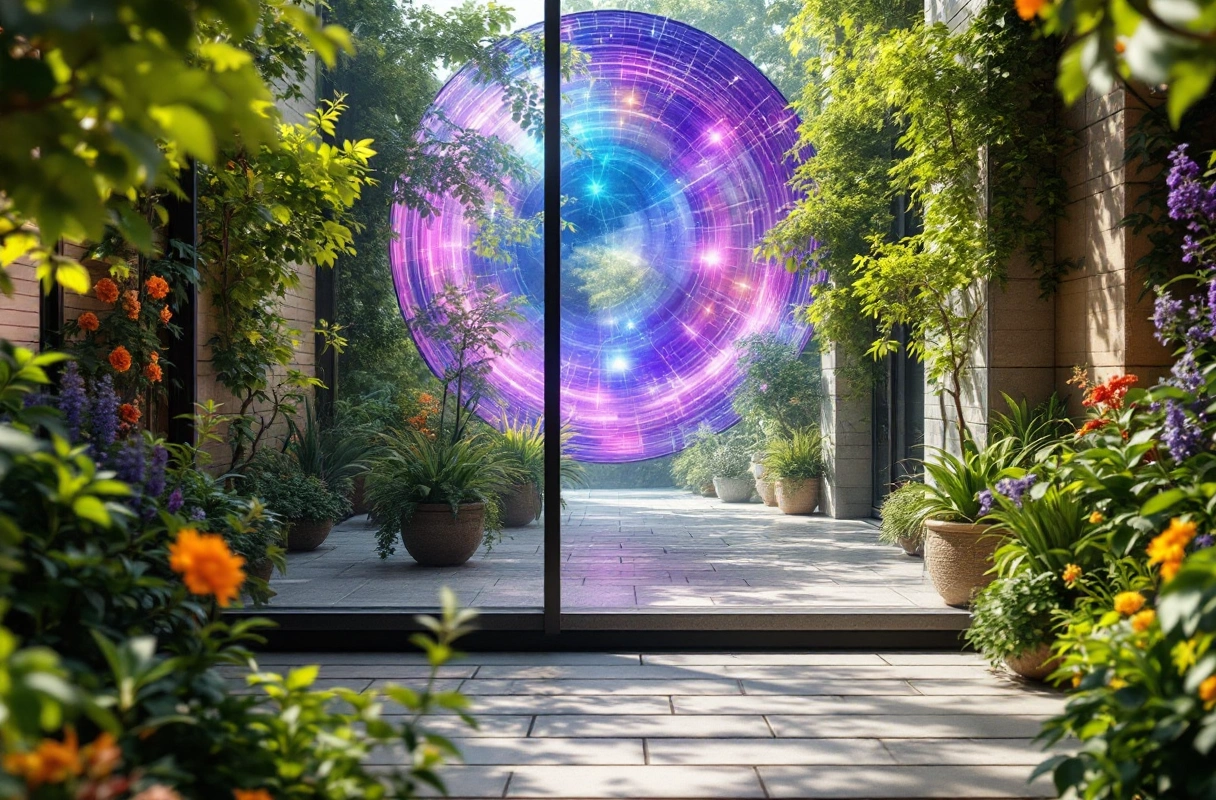
The metaverse represents a new frontier in digital interaction, and NFTs play a crucial role in shaping these experiences. By creating immersive environments, NFTs allow users to interact with digital assets in ways that were previously unimaginable. For instance, virtual real estate in the metaverse can be bought and sold as NFTs, enabling users to create, develop, and monetize their virtual spaces. This capability transforms how individuals perceive and engage with online environments, fostering creativity and innovation.
Additionally, NFTs serve as a bridge for virtual interactions, enhancing social experiences within the metaverse. Users can attend virtual concerts, exhibitions, and events where NFTs act as tickets or exclusive access passes. This integration not only enriches the user experience but also fosters a sense of community among participants. As the metaverse continues to evolve, the role of NFTs in facilitating these interactions will likely expand, opening up new avenues for engagement and collaboration.
Community Engagement: The Heart of Web3 Entertainment
Community engagement is fundamental to the success of Web3 entertainment, and NFTs play a pivotal role in fostering this interaction. Through ownership of NFTs, users can feel a sense of belonging and loyalty to a community or project. This ownership often translates into active participation in community activities, such as governance decisions, events, and collaborative projects. By incentivizing engagement through exclusive content or rewards, projects can cultivate a dedicated user base that contributes to the ecosystem's growth.
Additionally, NFTs facilitate community interactions by enabling users to share their experiences and showcase their collections. Social media platforms and dedicated NFT marketplaces allow users to connect, trade, and collaborate, creating a vibrant community of enthusiasts. This level of engagement not only enhances the user experience but also drives the sustainability of Web3 entertainment projects, ensuring they remain relevant and impactful.
How NFTs Are Shaping the Next Era of Web3 Entertainment
NFTs are evolving far beyond digital collectibles and becoming core building blocks of Web3 entertainment. From powering in-game economies and player-owned assets to enabling new models for artist monetization and community participation, NFTs are redefining how value and engagement flow across digital experiences. As adoption grows and tooling improves, their role in entertainment ecosystems will only deepen.
At Edge of Show, we explore how creators, gamers, and builders are using NFTs to unlock new forms of interaction and ownership. Understanding these shifts is essential for anyone looking to participate meaningfully in the future of Web3 entertainment. To stay ahead of how NFTs are transforming digital culture and experiences, tune in to the Edge of Show podcast.
.jpg)

.jpg)
.webp)
.webp)
.webp)


.svg)


