


As robots increasingly integrate into our daily lives, understanding their decision-making capabilities becomes crucial. The advent of autonomous machines has sparked interest in how these systems operate and the underlying limitations they face. Modern robots, equipped with advanced algorithms and artificial intelligence, still encounter significant barriers that affect their ability to make decisions comparable to humans. This article explores the various factors that limit the decision-making capacities of modern robots, providing insights into their challenges and potential.
Exploring the Constraints on Robot Decision-making
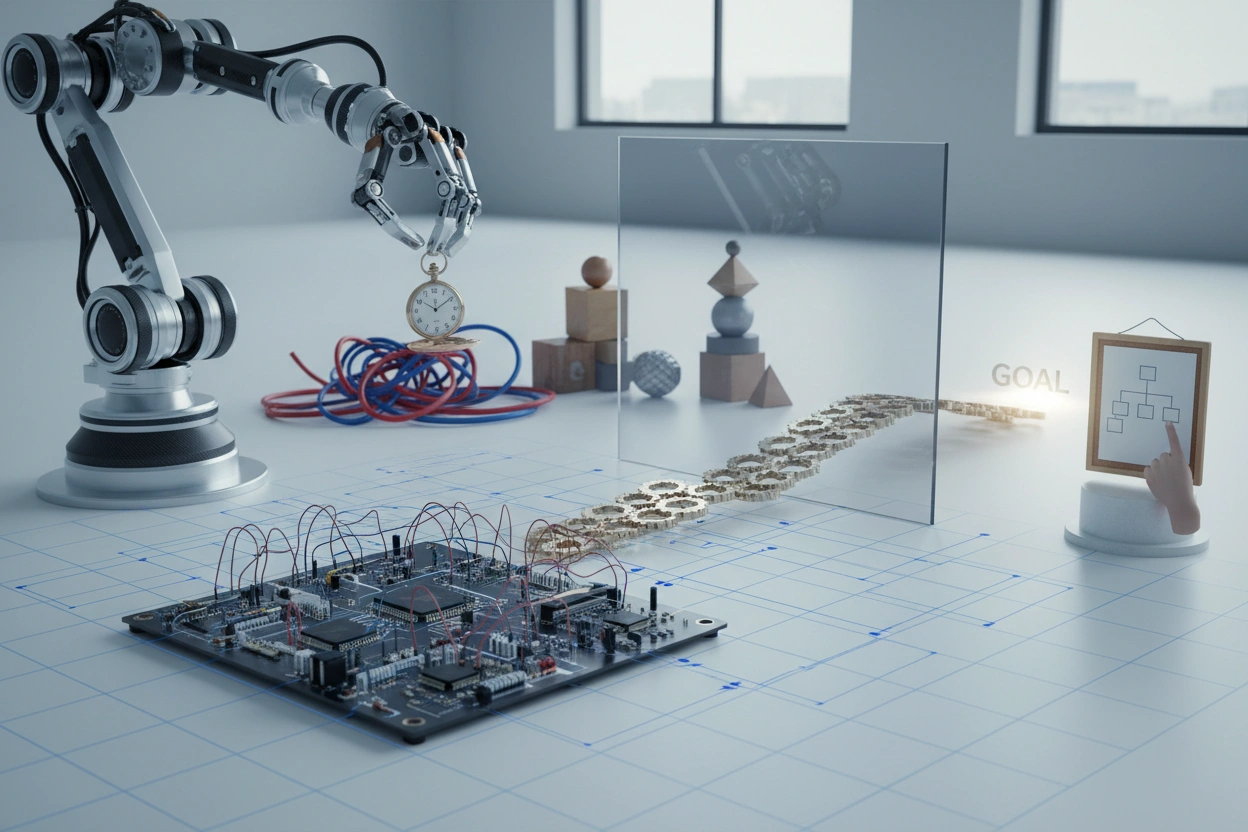
Robot decision-making limitations refer to the various factors that hinder robots from making effective choices in complex scenarios. At the core, these limitations stem from the inherent design of robotic systems, which are often programmed to operate within specific parameters. Unlike humans, robots lack the ability to intuitively understand and react to nuanced situations, making them reliant on pre-defined algorithms. This reliance restricts their adaptability, especially in dynamic environments where unexpected variables frequently arise.
Common constraints faced by robots include limited contextual understanding, processing power, and the quality of data inputs. For instance, a robot navigating a factory floor may struggle to respond to unforeseen obstacles due to its rigid programming. Additionally, if the data it receives is incomplete or ambiguous, the robot's decision-making capabilities are further compromised. These limitations highlight the need for ongoing research and development to enhance robot intelligence and functionality.
Identifying Challenges in AI Decision-making

AI decision-making challenges are particularly pronounced in dynamic environments where conditions can change rapidly. Robots equipped with AI must process vast amounts of information in real-time, requiring advanced algorithms that can adapt to new data. However, many existing AI models struggle to maintain performance under such unpredictable circumstances. This challenge is exacerbated when robots must interpret complex human behavior or environmental cues, as their programming often lacks the flexibility to adjust accordingly.
The importance of context and adaptability cannot be overstated. For example, a delivery drone programmed to operate in urban areas may fail to navigate effectively if it encounters sudden weather changes or unexpected traffic patterns. These challenges underscore the necessity for AI systems to incorporate more sophisticated learning models, enabling them to better understand and respond to their environments. As AI continues to evolve, addressing these challenges will be key to improving the decision-making capabilities of robots.
Barriers to Achieving Human-like Decision-making
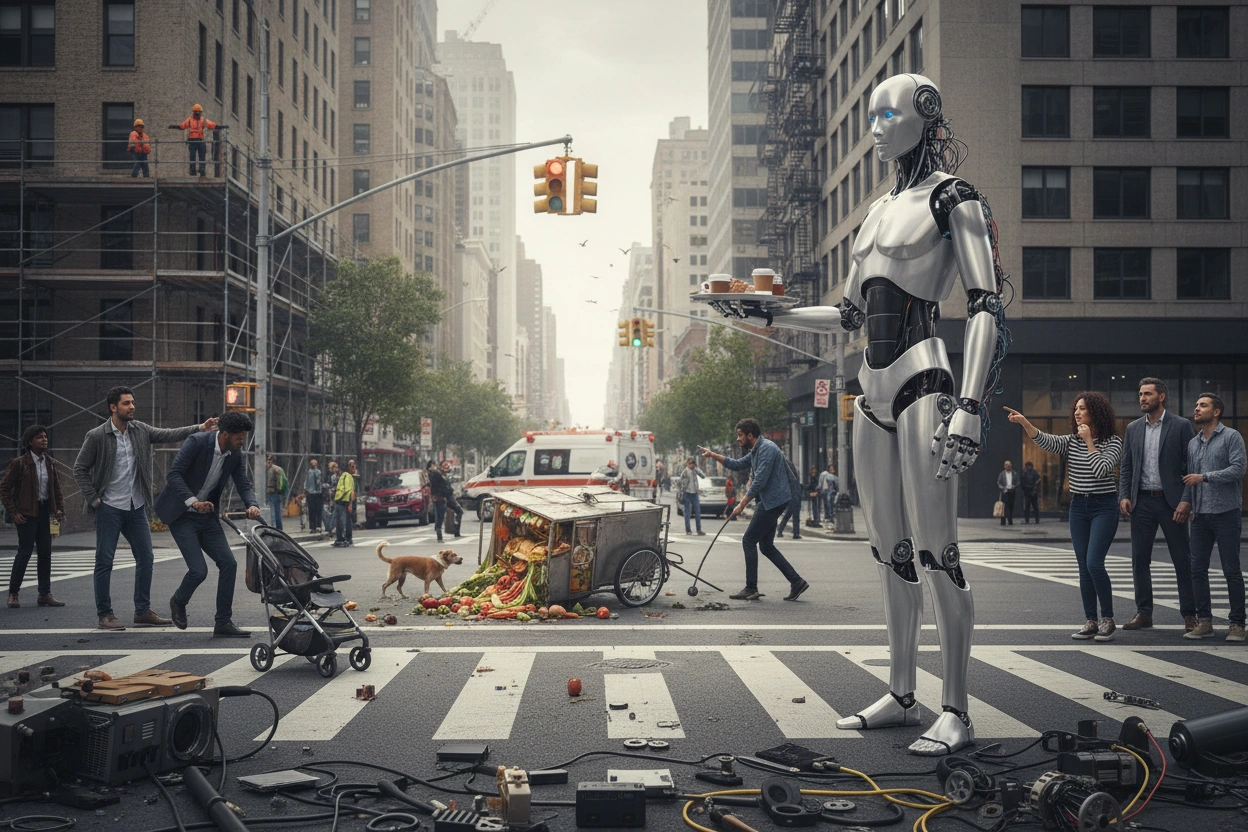
When comparing human-like decision-making to robotic capabilities, a stark contrast emerges. Humans rely on a complex interplay of emotional intelligence, intuition, and learned experiences, which allows for nuanced decision-making. In contrast, robots primarily function based on logic and predefined rules, limiting their ability to replicate human-like responses. The absence of emotional and psychological factors in robots means they cannot assess situations with the same depth as humans, leading to decisions that may seem mechanical or rigid.
Psychological factors influencing decision-making in humans, such as cognitive biases and emotional responses, are absent in robotic systems. For instance, a human may choose to act differently in a situation based on past experiences or gut feelings, while a robot will follow its programmed instructions without deviation. This fundamental difference highlights the barriers robots face in achieving human-like decision-making, emphasizing the need for advancements in AI that incorporate elements of emotional intelligence and contextual awareness.
The Future of Autonomous Robot Decision-making
The future of autonomous robot decision-making is promising, with evolving technologies poised to overcome many of the current limitations. One significant area of advancement lies in neural networks, which mimic the human brain's structure to improve learning and decision-making processes. By employing deep learning techniques, robots can analyze data more effectively and develop a better understanding of complex environments.
As neural networks become more sophisticated, the potential for robots to make decisions autonomously increases. This evolution could lead to robots that can learn from their experiences, adapt to new challenges, and respond in real-time to changing circumstances. Continued investment in research and development is essential to harness these technologies fully. The ability for robots to navigate complex situations with greater autonomy will enhance their utility across various industries, from healthcare to logistics.
Exploring the Limits of Robot Decision-Making in a Rapidly Advancing World
Modern robots are powerful, but their decision-making is still constrained by data quality, predefined rules, contextual understanding, and ethical boundaries. These limitations highlight where human judgment remains essential—and where innovation is still unfolding across AI, robotics, and decentralized systems. Understanding these constraints is key for builders and entrepreneurs shaping the next generation of intelligent machines.
At Edge of Show, we dive into these intersections, unpacking how robotics and AI are evolving and where real-world limits still exist. Our conversations explore what’s possible today, what’s coming next, and how creators can adapt intelligently. To stay ahead of the curve on robotics, AI, and emerging tech, tune in to the Edge of Show podcast.
.jpg)

.jpg)
.webp)
.webp)
.webp)


.svg)


