


The landscape of gaming and entertainment is undergoing a significant transformation with the advent of Web3 technologies. As of 2025, the concept of play-to-earn is reshaping how players interact with games and digital environments. This article explores the nuances of web3 gaming and entertainment, providing insights into blockchain gaming, NFT gaming, and decentralized entertainment. We will also cover how to get started with crypto gaming, ensuring you have a comprehensive understanding of this evolving sector.
Understanding Web3 Gaming and Entertainment
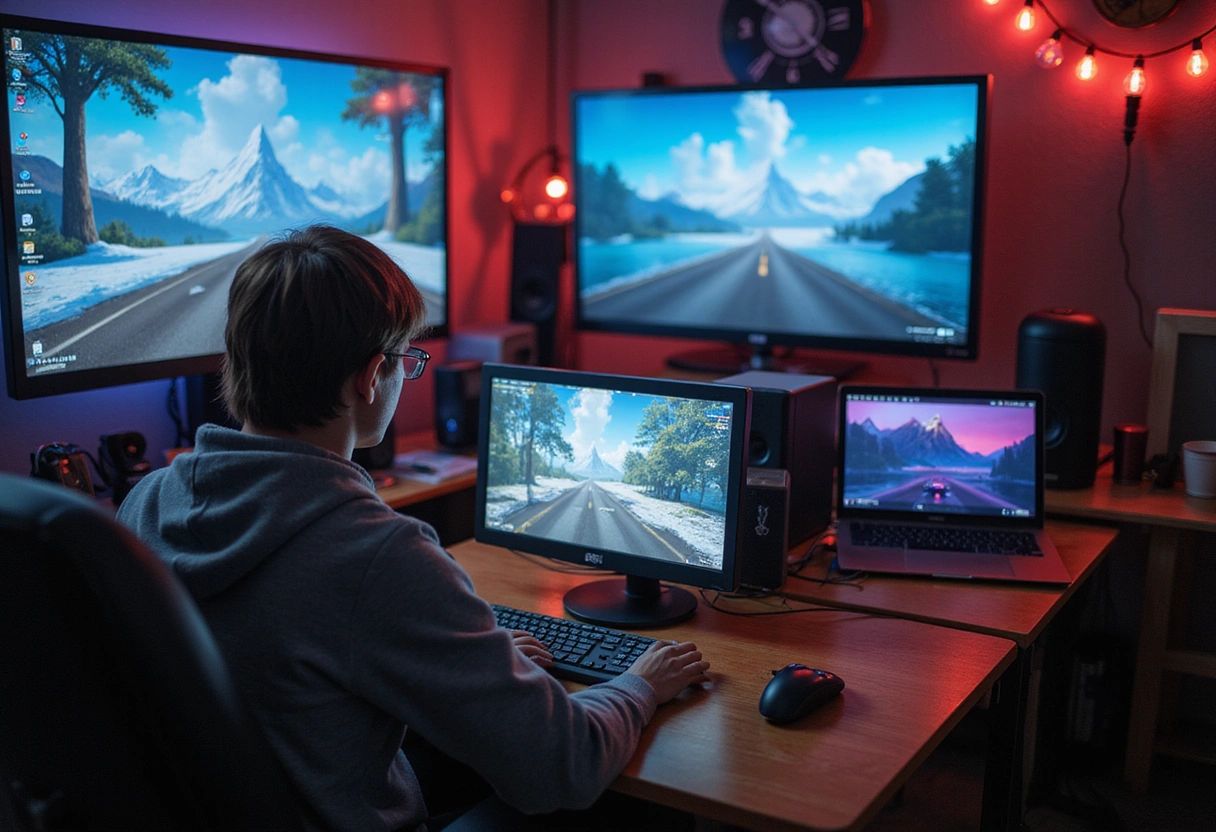
Web3 gaming and entertainment encompass a range of technologies and methodologies that leverage blockchain, decentralized networks, and cryptocurrencies to create immersive and rewarding gaming experiences. Unlike traditional gaming models, which are often characterized by centralized control and monetization, Web3 allows players to own their in-game assets, participate in governance, and earn income through gameplay.
The Mechanics of Web3 Gaming
Web3 gaming operates on decentralized platforms, where players can engage with digital assets like NFTs (non-fungible tokens) and cryptocurrencies. These assets are stored on the blockchain, ensuring authenticity and ownership. Players can buy, sell, or trade their digital collectibles, creating a virtual economy that mirrors real-world financial interactions.
- Decentralization: Players have control over their assets, meaning they are not tied to a single platform or publisher.
- Ownership: NFTs provide verifiable ownership of unique in-game items, characters, and skins.
- Play-to-Earn Model: Players can earn cryptocurrencies or other rewards through gameplay, incentivizing participation and engagement.
The Role of Blockchain in Gaming
Blockchain technology serves as the backbone of web3 gaming. It facilitates secure transactions, ensures transparency, and fosters community engagement. This technology allows developers to create decentralized applications (dApps) that enhance user experiences and create new economic opportunities.
- Smart Contracts: These self-executing contracts are programmed to execute specific actions when predetermined conditions are met, streamlining transactions.
- Interoperability: Assets from one game can often be used in another, creating a fluid gaming experience across multiple platforms.
- Community Governance: Players can participate in decision-making processes regarding game development and updates through decentralized autonomous organizations (DAOs).
Key Trends in Web3 Gaming for 2025

As we progress through 2025, several trends are emerging in the web3 gaming and entertainment space. These trends reflect the growing acceptance and integration of blockchain technologies within the gaming industry.
1. Increased Adoption of NFTs
NFTs continue to gain traction in the gaming industry, with more developers integrating them into their games. Players are increasingly investing in digital collectibles, and these assets are becoming critical to gameplay and community interaction.
2. Expansion of Play-to-Earn Models
The play-to-earn model is gaining popularity as developers seek to create more engaging and rewarding experiences. Players can earn real income through their gaming activities, leading to a shift in how games are designed and monetized.
3. Emergence of Metaverse Gaming
Metaverse gaming is becoming a focal point in the web3 landscape, where players can interact in expansive virtual worlds. These immersive environments allow for social interaction, commerce, and entertainment, blurring the lines between gaming and real life.
4. Enhanced User Experiences through Virtual Economies
Virtual economies are evolving, enabling players to trade assets and currencies seamlessly. Developers are focusing on creating engaging user interfaces and experiences that encourage economic interaction and community building.
5. Cross-Platform Integration
The integration of gaming experiences across different platforms is on the rise. Players can now access their assets and games from various devices, enhancing accessibility and user engagement.
How to Get Started with Crypto Gaming: A Beginner's Guide

Entering the world of crypto gaming can seem overwhelming, but by following a structured approach, you can navigate this new landscape effectively. Here’s a step-by-step guide to help you get started.
Step 1: Research Thoroughly
Before jumping into crypto gaming, it's essential to conduct thorough research. Familiarize yourself with the various platforms, games, and technologies involved in web3 gaming.
- Understand different blockchain technologies and their applications in gaming.
- Explore popular crypto games and their economic models.
- Read whitepapers and join community forums to gain insights from experienced players.
Step 2: Set Up a Digital Wallet
A digital wallet is necessary for managing your cryptocurrencies and NFTs. Choose a wallet that supports the tokens you plan to use.
- MetaMask: A popular wallet for Ethereum-based assets.
- Trust Wallet: Supports multiple blockchains and tokens.
- Coinbase Wallet: Offers an intuitive interface for beginners.
Step 3: Buy Cryptocurrency
To participate in crypto gaming, you will need to purchase cryptocurrency. Major exchanges like Coinbase, Binance, and Kraken allow users to buy various cryptocurrencies using traditional payment methods.
- Create an account on a reputable exchange.
- Verify your identity and link your bank account or credit card.
- Purchase the cryptocurrency that is accepted in your chosen games.
Step 4: Choose Your Games Wisely
Select games that resonate with your interests and offer a solid play-to-earn model. Research the community and development team behind the games to gauge their credibility.
- Check for active player communities and forums.
- Look for games with transparent economic models and sustainable tokenomics.
Step 5: Engage with the Community
Joining the community surrounding your chosen games is critical for staying informed and making the most of your gaming experience.
- Participate in forums and social media groups to connect with other players.
- Attend virtual events and discussions hosted by game developers.
Common Misconceptions About Web3 Gaming
Despite the growing popularity of web3 gaming and entertainment, several misconceptions persist. Addressing these can help potential players make informed decisions.
Misconception 1: Web3 Gaming is Only for Crypto Experts
Many believe that only individuals with extensive knowledge of cryptocurrency can engage in web3 gaming. In reality, many platforms are designed to be user-friendly, making it accessible for beginners.
Misconception 2: Play-to-Earn Games are Just a Fad
While play-to-earn games have gained significant attention, they are not merely a passing trend. The integration of blockchain technology into gaming is creating sustainable economic models that could redefine the industry.
Misconception 3: NFTs Have No Real Value
Skepticism about the value of NFTs persists, but many digital collectibles have proven to hold significant worth. The value of NFTs is determined by market demand, rarity, and utility within gaming ecosystems.
The Future of Web3 Gaming and Entertainment
As we look ahead, web3 gaming and entertainment are poised to reshape not only the gaming industry but also broader aspects of digital interaction. The integration of decentralized technologies allows for more equitable distribution of wealth and opportunities within gaming communities.
The Role of Decentralized Entertainment
Decentralized entertainment platforms are emerging as viable alternatives to traditional media outlets. These platforms allow creators to connect directly with their audiences, fostering a more democratic and participatory model of content creation.
- Creator Monetization: Artists and developers can earn from their creations without intermediaries.
- Community Engagement: Users can participate in content curation and governance, shaping the platforms they use.
Building Sustainable Virtual Economies
The future of web3 gaming will involve the development of sustainable virtual economies that mirror real-world economic principles. Developers will need to focus on creating balanced ecosystems that reward players while maintaining long-term viability.
Embracing the Future of Gaming with Edge of Show
Play-to-earn models are redefining what gaming means in the Web3 era — shifting players from passive consumers into active participants who can own assets, build value, and earn through their gameplay. This shift isn’t just a feature upgrade — it’s a structural evolution in how entertainment, economics, and community converge.
At Edge of Show, we help gamers, NFT collectors, crypto investors, and creators navigate this new landscape — breaking down the mechanics, opportunities, risks, and strategies that matter most as Web3 gaming continues to accelerate.
To keep learning how blockchain, digital ownership, and gaming collide to shape the next generation of entertainment — tune in to the Edge of Show podcast.
.jpg)

.jpg)
.webp)
.webp)
.webp)


.svg)


