


Data center infrastructure has become increasingly pivotal, especially with the rise of edge computing. As businesses seek to harness the benefits of real-time data processing and analytics, understanding the nuances of data center design and management is essential. Edge computing decentralizes data processing by bringing computation and data storage closer to the data source, which leads to improved response times and bandwidth efficiency. This shift necessitates a reevaluation of traditional data center infrastructures, making it crucial for IT managers and decision-makers to consider various factors that influence performance, security, and operational efficiency.
In this article, we will explore key considerations for data center infrastructure in the context of edge computing. We will cover essential aspects such as IT management in a decentralized environment, network security, data storage solutions, and the role of virtualization technology. By understanding these elements, organizations can effectively align their data center strategies with the demands of modern digital transformation initiatives.
Understanding the Role of Data Center Infrastructure

Data center infrastructure encompasses the physical and virtual components that support the storage, management, and dissemination of data. It includes hardware, software, network resources, and services that are necessary for the operation of data centers. As edge computing gains traction, the traditional central data center model is evolving into a more distributed architecture, requiring organizations to rethink their infrastructure strategies.
Key Components of Data Center Infrastructure
When evaluating data center infrastructure, several critical components must be taken into account:
- Physical Hardware: This includes servers, storage devices, and networking equipment. The selection of hardware is vital, as it impacts performance, energy consumption, and scalability.
- Virtualization Technology: Virtualization allows multiple virtual machines to run on a single physical server, optimizing resource use and enhancing flexibility. It is a cornerstone of modern data center design, especially in edge environments.
- Network Configuration: The architecture of the network must support high-speed data transfer and low latency. This includes considerations for bandwidth, redundancy, and failover mechanisms.
By carefully assessing these components, organizations can build a resilient data center infrastructure that supports their edge computing initiatives.
Key Considerations for IT Management in a Decentralized Environment
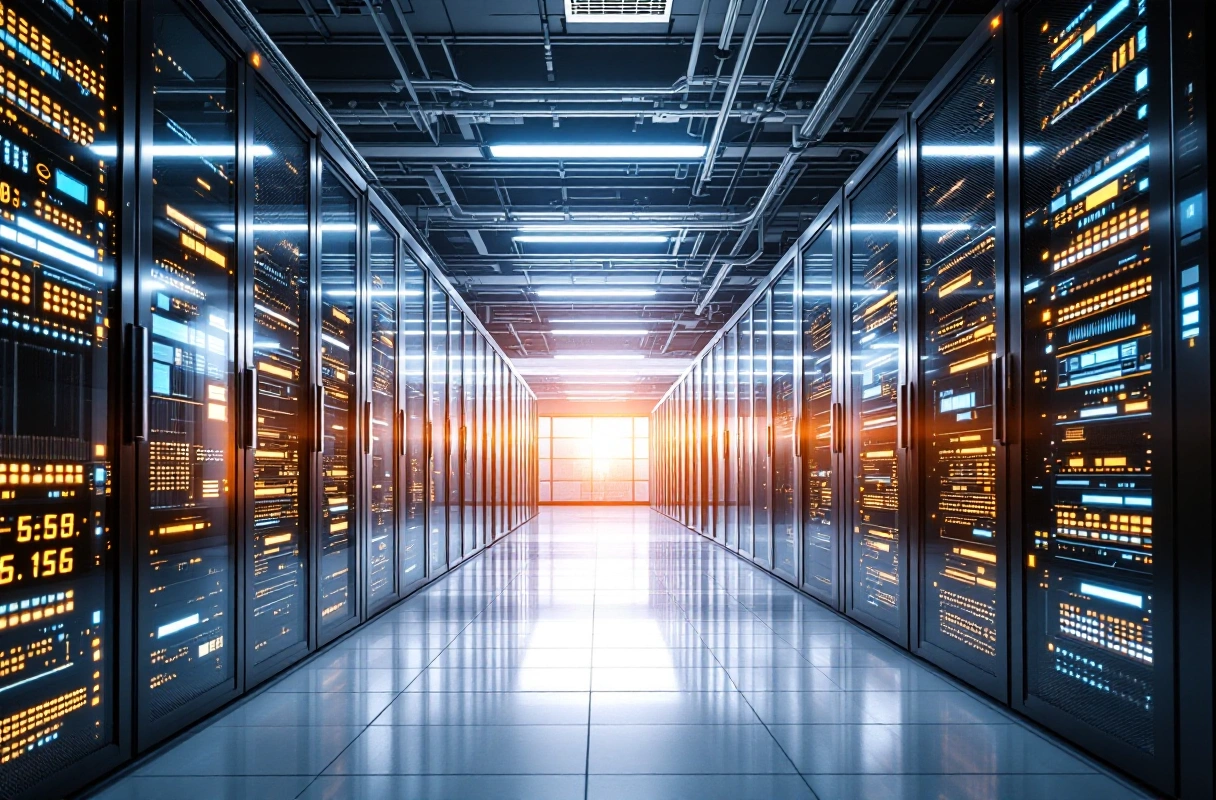
Managing IT resources in a decentralized environment presents unique challenges and opportunities. Edge computing introduces complexities that require a strategic approach to IT management.
Strategies for Effective IT Management
- Implement Centralized Monitoring Tools: Utilize centralized dashboards and monitoring tools to gain real-time visibility into the performance and health of distributed edge nodes. This helps in identifying issues proactively and ensuring uptime.
- Adopt Automation for Routine Tasks: Automating routine management tasks can free up IT staff to focus on more strategic initiatives. Implementing automation tools can streamline processes such as software updates, backups, and resource allocation.
- Ensure Robust Security Protocols: With edge computing, data is processed closer to the source, which can expose it to security vulnerabilities. Implementing strong encryption, access controls, and regular security audits is essential for safeguarding data across decentralized locations.
These strategies not only enhance operational efficiency but also ensure that organizations are prepared for the challenges of managing data center infrastructure in a decentralized environment.
Network Security in Edge Computing
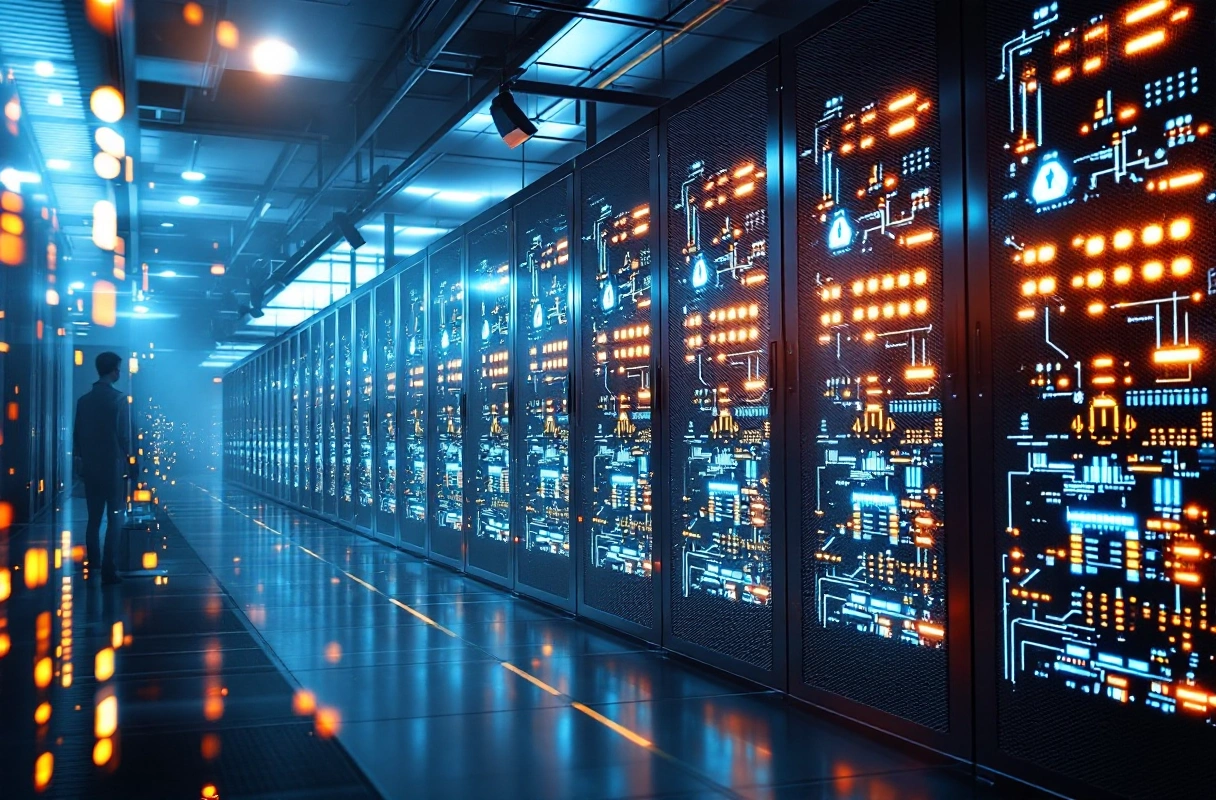
As data centers transition to edge computing, security becomes a paramount concern. The distributed nature of edge computing can create vulnerabilities that traditional data center security measures may not adequately address.
Common Security Challenges and Solutions
- Data Breaches: With data being processed at multiple edge locations, the risk of data breaches increases. Organizations should implement end-to-end encryption to protect data both in transit and at rest.
- DDoS Attacks: Distributed Denial of Service (DDoS) attacks can target edge nodes, leading to service disruptions. Deploying DDoS mitigation solutions can help protect against these threats.
- Insider Threats: Employees or contractors with access to sensitive data can pose risks. Regular training on security best practices and implementing strict access controls can mitigate these threats.
By addressing these security challenges, organizations can protect their data center infrastructure while leveraging the benefits of edge computing.
Data Storage Solutions for Edge Computing
Data storage solutions are critical in edge computing, where data is generated, processed, and stored closer to the source. The choice of storage solutions can significantly impact performance, reliability, and cost-effectiveness.
Storage Options to Consider
- Decentralized Storage: Utilizing decentralized storage solutions can enhance data availability and resilience. Technologies such as blockchain infrastructure can be leveraged to create distributed storage networks that offer increased security and redundancy.
- Hybrid Storage Solutions: Combining on-premises storage with cloud-based solutions allows organizations to balance performance with scalability. Hybrid models enable quick access to frequently used data while leveraging the cloud for less critical information.
- Edge-Optimized Storage: Implementing storage solutions specifically designed for edge environments can enhance data processing speeds. These solutions often prioritize low latency and high throughput, which are essential for real-time applications.
Selecting the right data storage solution is crucial for maximizing the effectiveness of edge computing initiatives and ensuring that data center infrastructure remains agile and responsive.
The Future of Data Center Design
As we move further into 2025, the design of data centers will continue to evolve in response to the demands of edge computing. Organizations must stay ahead of emerging trends to ensure their data center infrastructure remains competitive.
Trends Shaping Data Center Design
- Sustainability Initiatives: There is a growing emphasis on energy innovation and sustainable practices in data center design. Organizations are exploring renewable energy sources and energy-efficient technologies to reduce their carbon footprint.
- Modular Data Centers: The adoption of modular data centers allows for rapid scaling and flexibility. These units can be deployed quickly and adjusted based on changing business needs, making them ideal for edge environments.
- Integration of AI and Machine Learning: Incorporating AI and machine learning into data center operations can optimize resource allocation, predict failures, and enhance security measures. This integration can lead to more efficient and intelligent data center management.
By embracing these trends, organizations can ensure that their data center infrastructure is not only resilient but also capable of supporting future technological advancements.
The Role of Virtualization Technology
Virtualization technology plays a significant role in modern data center infrastructure, particularly in edge computing. By abstracting physical resources, virtualization enables more efficient resource utilization and management.
Benefits of Virtualization in Edge Environments
- Resource Optimization: Virtualization allows multiple workloads to run on a single physical server, maximizing resource use and reducing costs associated with hardware.
- Scalability: As demand fluctuates, virtualization enables organizations to quickly scale their infrastructure up or down without significant capital investment in new hardware.
- Disaster Recovery: Virtualized environments facilitate easier backup and recovery processes, ensuring business continuity in the event of a failure.
Implementing virtualization technology is essential for organizations looking to enhance their data center infrastructure while adapting to the demands of edge computing.
The Intersection of Data Center Infrastructure and Edge of Show
As real-time processing, distributed workloads, and edge computing become foundational to modern digital systems, data center infrastructure must evolve to match. Organizations that understand how to architect for speed, resilience, and decentralization will be the ones best positioned to compete in a world where milliseconds matter.
At Edge of Show, we help decode these shifts — offering guidance for businesses and builders navigating the transition toward edge-first design, decentralized storage, and next-generation infrastructure. Our insights support teams looking to future-proof their operations and stay aligned with the rapid changes happening across the Web3 and distributed computing ecosystem.
To keep learning how edge computing and decentralized infrastructure are reshaping the future — tune in to the Edge of Show podcast.
.jpg)

.jpg)
.webp)
.webp)
.webp)


.svg)


