

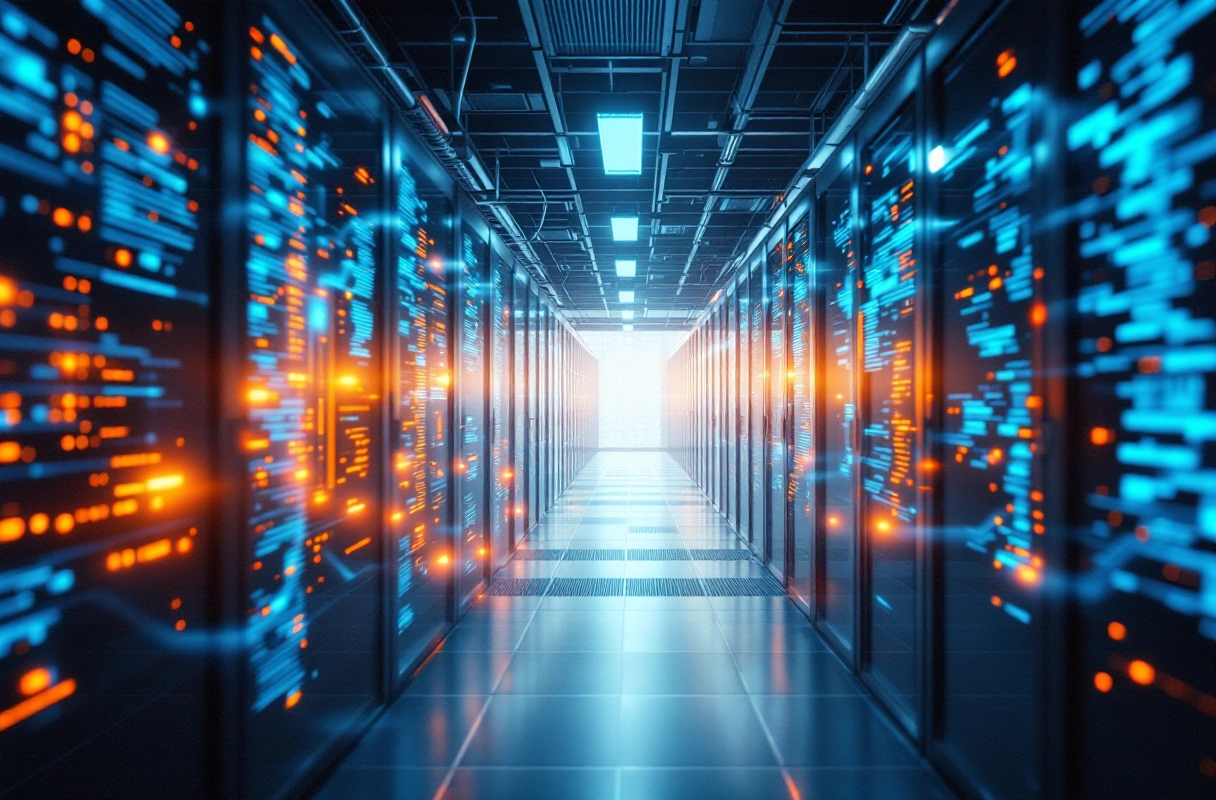
In the rapidly evolving landscape of technology, data center infrastructure plays a pivotal role in managing and processing the vast amounts of information generated daily. As businesses increasingly adopt digital solutions, the pressure on traditional data centers mounts, necessitating innovative strategies to enhance performance. One such strategy that has gained traction is edge computing. This technology not only optimizes data processing but also significantly improves the efficiency of data center infrastructure.
Understanding Edge Computing
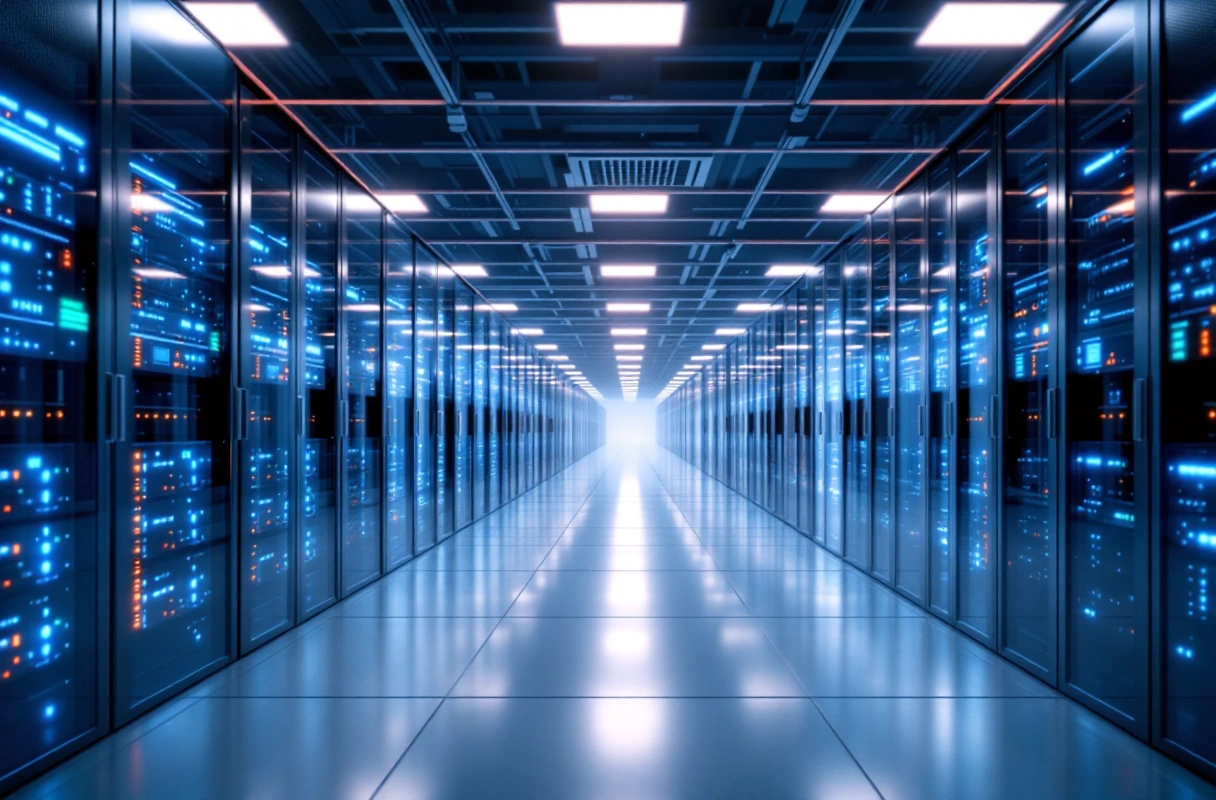
Edge computing refers to the practice of processing data closer to its source rather than relying on a centralized data center. This approach minimizes latency, reduces bandwidth usage, and enhances overall performance. As more devices become interconnected through the Internet of Things (IoT), the need for efficient data processing at the edge becomes more pronounced.
Benefits of Edge Computing
- Reduced Latency: By processing data locally, edge computing significantly lowers the time it takes for data to travel to and from the data center. This is particularly vital for applications requiring real-time responses, such as autonomous vehicles or remote surgery.
- Bandwidth Efficiency: With edge computing, only essential data is sent to centralized data centers, conserving bandwidth and reducing costs. This is especially beneficial in environments with limited connectivity.
- Enhanced Security: Distributing data processing across multiple edge locations can improve security by minimizing the risk of data breaches that typically occur at centralized locations.
Real-World Applications of Edge Computing
Industries such as healthcare, manufacturing, and retail are increasingly adopting edge computing to enhance their data management capabilities. For example, in healthcare, wearable devices can process patient data on-site, allowing for immediate health monitoring without the delays associated with cloud processing. Similarly, in manufacturing, edge computing enables real-time monitoring of equipment, facilitating predictive maintenance and minimizing downtime.
The Role of Digital Transformation in Data Center Strategies
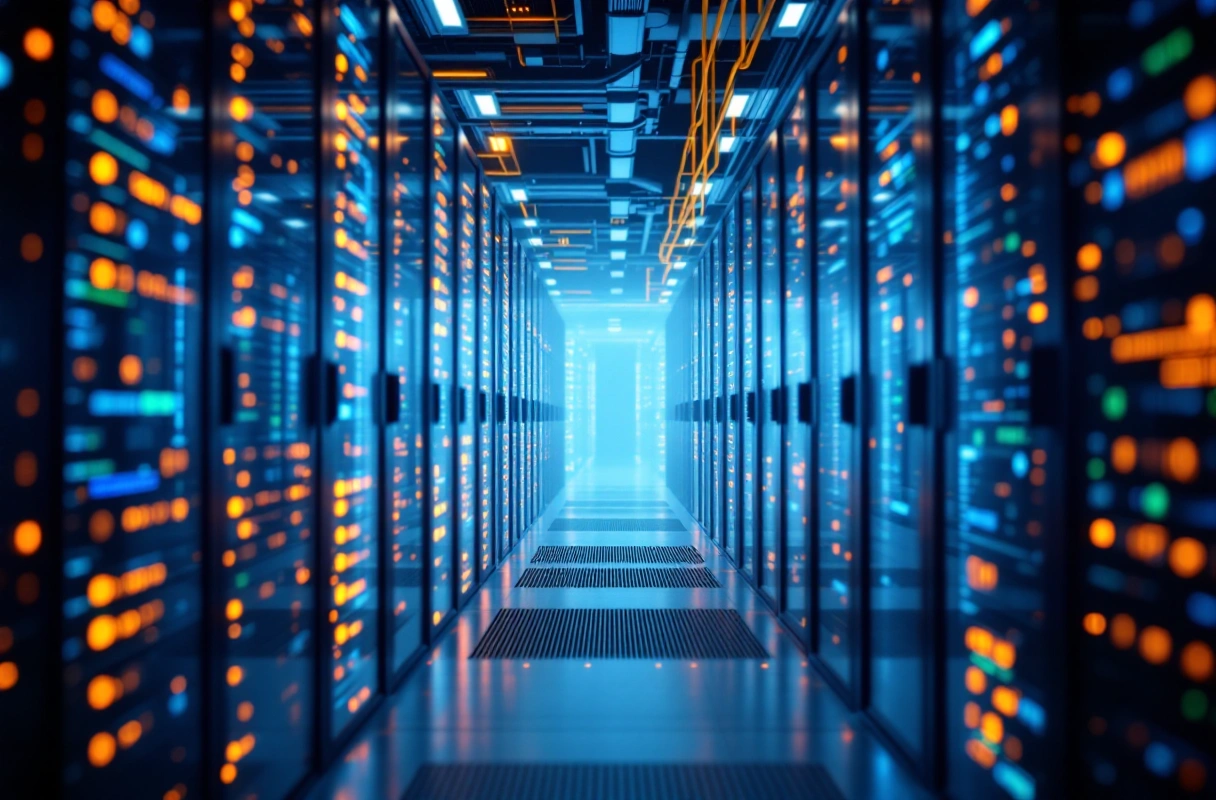
Digital transformation is fundamentally altering how organizations manage their data and IT resources. As companies strive to become more agile and responsive to market demands, their data center strategies must evolve accordingly.
Key Aspects of Digital Transformation
- Adoption of Cloud Computing: Many organizations are migrating to cloud-based solutions to enhance flexibility and scalability. This shift requires data centers to integrate cloud computing capabilities seamlessly.
- Integration of Virtualization Technology: Virtualization allows multiple virtual instances to run on a single physical server, optimizing resource utilization. This technology is essential for modern data center design, enabling rapid provisioning and management of resources.
- Focus on Network Security: With the increasing threat of cyberattacks, data center strategies must prioritize robust security measures. This includes implementing advanced firewalls, intrusion detection systems, and continuous monitoring protocols.
Common Misconceptions About Digital Transformation
One prevalent misconception is that digital transformation is solely about technology adoption. While technology is a critical component, the process also involves cultural change within organizations. Employees must be equipped with the skills and mindset to leverage new technologies effectively. Additionally, digital transformation is not a one-time event but an ongoing journey that requires continuous adaptation and improvement.
How Edge Computing Enhances Data Center Infrastructure
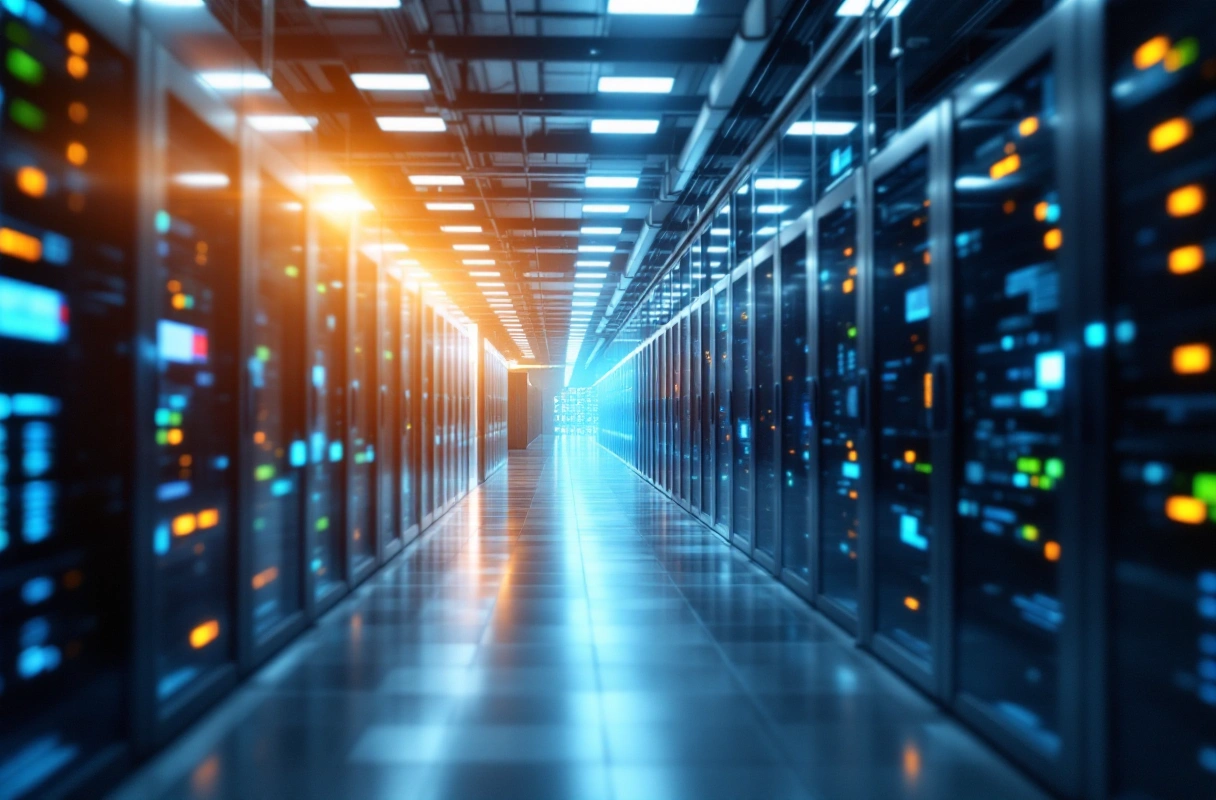
The integration of edge computing into data center infrastructure offers several advantages that can lead to improved performance and efficiency.
Improved Data Processing Capabilities
By deploying edge computing, organizations can process data closer to its source, leading to faster analysis and decision-making. This is particularly important for applications that generate large volumes of data, such as video surveillance systems or smart grid technologies.
Scalability and Flexibility
Edge computing allows data centers to scale their operations more effectively. As demand for data processing grows, organizations can deploy additional edge devices without the need for extensive infrastructure upgrades. This flexibility enables businesses to adapt to changing market conditions swiftly.
Energy Efficiency Innovations
Edge computing can contribute to energy savings by optimizing resource usage. By processing data locally, organizations can reduce the energy consumption associated with data transmission to centralized data centers. Moreover, many edge devices are designed with energy efficiency in mind, further enhancing sustainability efforts.
Actionable Strategies for Implementing Edge Computing
Organizations looking to incorporate edge computing into their data center infrastructure can follow these essential strategies:
- Assess Current Infrastructure: Evaluate your existing data center capabilities and identify areas where edge computing can enhance performance.
- Identify Use Cases: Determine specific applications that would benefit from edge computing, such as real-time analytics or IoT data processing.
- Invest in Training: Equip your IT team with the necessary skills and knowledge to implement and manage edge computing solutions effectively.
- Choose the Right Technology Partners: Collaborate with vendors that offer robust edge computing solutions tailored to your organization's needs.
- Monitor and Optimize: Continuously monitor the performance of your edge computing infrastructure and make adjustments as necessary to maximize efficiency.
The Future of Data Center Infrastructure
As edge computing becomes more prevalent, it is expected to reshape the landscape of data center infrastructure significantly. The convergence of technologies such as blockchain infrastructure and decentralized storage will further enhance the capabilities of data centers.
Blockchain Infrastructure and Decentralized Storage
The integration of blockchain technology into data centers can improve security and transparency. By utilizing decentralized storage solutions, organizations can ensure data integrity while reducing the risks associated with centralized data repositories. This approach aligns with the increasing focus on data privacy and security.
Innovations in Data Center Design
Future data center designs will likely prioritize modularity and adaptability. By adopting modular designs, organizations can scale their infrastructure in response to evolving demands without extensive downtime or disruption.
Conclusion: The Intersection of Edge Computing and Data Center Infrastructure Performance
Edge computing is reshaping data center strategy—pushing organizations to rethink how they process data, secure distributed systems, and optimize performance at scale. As digital transformation accelerates, modern infrastructure must balance speed, resilience, and efficiency to meet real-time demands across industries.
At Edge of Show, we help teams navigate this shift toward decentralized and edge-driven architectures. Our insights empower builders, operators, and innovators to understand the technologies redefining data centers and make informed decisions about their infrastructure roadmap.
To stay ahead of how edge computing and decentralized infrastructure are transforming the digital world — tune in to the Edge of Show podcast.
.jpg)

.jpg)
.webp)
.webp)
.webp)


.svg)


