


Imagine a gaming world where players truly own their assets and have a voice in the economy. This is not just a dream anymore; it is becoming a reality through the innovations of Web3 games. The rise of decentralized technologies has opened new avenues for player engagement and asset ownership, challenging traditional gaming paradigms. This article explores how Web3 games are innovating player ownership while maintaining sustainable game economies.
The Evolution of Player Ownership in Gaming

The concept of player ownership in gaming has evolved significantly over the years. Traditionally, players invested time and money into games, only to find that their hard-earned assets were tied to the game’s servers. This centralization meant that game developers had full control over the assets, leading to a lack of true ownership. Players could lose access to their accounts or see their items rendered worthless due to game discontinuation or changes in game policy.
With the advent of blockchain technology, the notion of ownership is being redefined. Blockchain enables players to own their in-game assets as non-fungible tokens (NFTs), which can be traded or sold independently of the game itself. This shift not only grants players true ownership but also allows them to monetize their gameplay experiences. As an example, in games like Axie Infinity, players can earn tokens through gameplay, which are fully owned and can be traded on various exchanges. This evolution is reshaping the gaming landscape, where players can actively participate in the economic aspects of their favorite titles.
Exploring Sustainable Game Design Principles
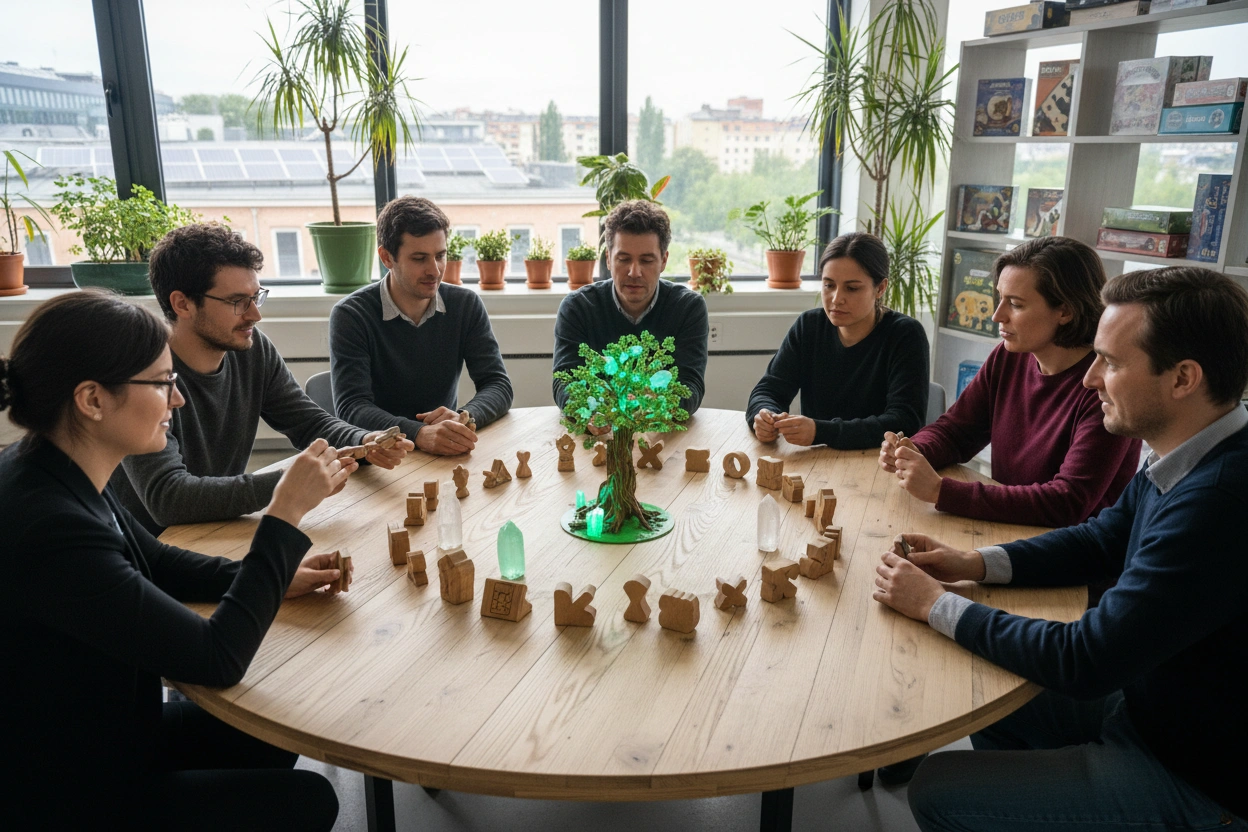
Sustainable game design is an emerging principle that focuses on creating games that are not only engaging but also environmentally and economically viable. This approach is essential as the gaming industry faces increasing scrutiny regarding its environmental impact, particularly concerning energy consumption and resource allocation. Sustainable game design aims to minimize negative effects while maximizing player engagement and satisfaction.
To integrate sustainability into game mechanics, developers can adopt several strategies. One effective method is to create games that encourage player collaboration and resource sharing. For instance, games that incorporate renewable resources or promote recycling within their narratives can foster a sense of responsibility among players. Additionally, implementing energy-efficient blockchain technologies can reduce the carbon footprint of Web3 games. By prioritizing sustainability in design, developers can create a gaming ecosystem that benefits both players and the planet.
Innovative Blockchain Gaming Models
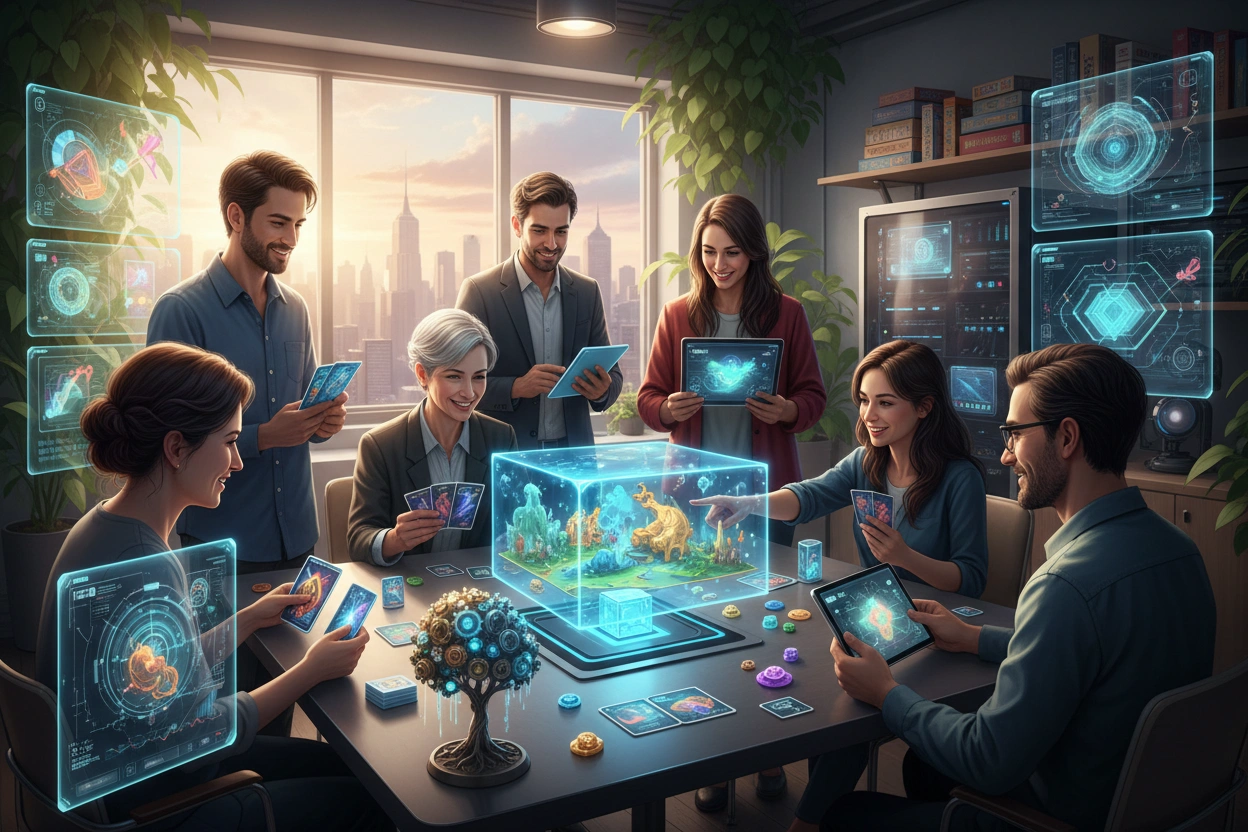
The landscape of blockchain gaming is vast and varied, featuring multiple models that cater to different player experiences and economic structures. These models include play-to-earn, free-to-play with NFT integrations, and subscription-based gaming. Each of these approaches offers unique advantages and opportunities for player engagement and asset ownership.
Decentralized economies play a crucial role in shaping gameplay within these models. In play-to-earn games, players can earn tokens or NFTs by completing tasks or achieving milestones, thereby creating a player-driven economy where the in-game currency can have real-world value. This shift empowers players, allowing them to influence the game’s economy based on their contributions and engagement. Games like Decentraland exemplify how decentralized economies can create immersive environments where players can buy, sell, and trade virtual real estate, fostering a vibrant community and economic growth.
Game Monetization Strategies for Success
Monetization strategies in Web3 games must strike a balance between profitability and player ownership. Traditional monetization methods, such as pay-to-win models or intrusive advertisements, can alienate players and undermine the sense of ownership that Web3 aims to establish. Therefore, developers must consider innovative approaches that align with the values of their player base.
Several effective monetization strategies can be utilized without compromising player ownership. One approach is to implement a marketplace for player-created content, where creators can earn a share of the revenue generated from their contributions. This not only incentivizes creativity but also encourages players to invest in the game’s economy. Additionally, subscription models that offer exclusive content or benefits can provide a steady revenue stream while maintaining player engagement. By embracing these strategies, developers can create sustainable revenue models that enhance player ownership and foster community growth.
Balancing Player Ownership and Sustainable Web3 Game Economies
Web3 gaming is redefining ownership, but long-term success depends on pairing player-controlled assets with sustainable economic design. Players want meaningful ownership that holds value over time, while developers must ensure game economies remain balanced, resilient, and environmentally responsible. Striking this balance is critical as Web3 games mature beyond early experimentation.
At Edge of Show, we explore how studios, players, and investors are navigating these challenges at the intersection of ownership and sustainability. From token design to ecosystem health, understanding these dynamics helps everyone participate more thoughtfully in the future of gaming. To stay ahead of how Web3 games are building sustainable, player-first economies, tune in to the Edge of Show podcast.
.jpg)

.jpg)
.webp)
.webp)
.webp)


.svg)


