

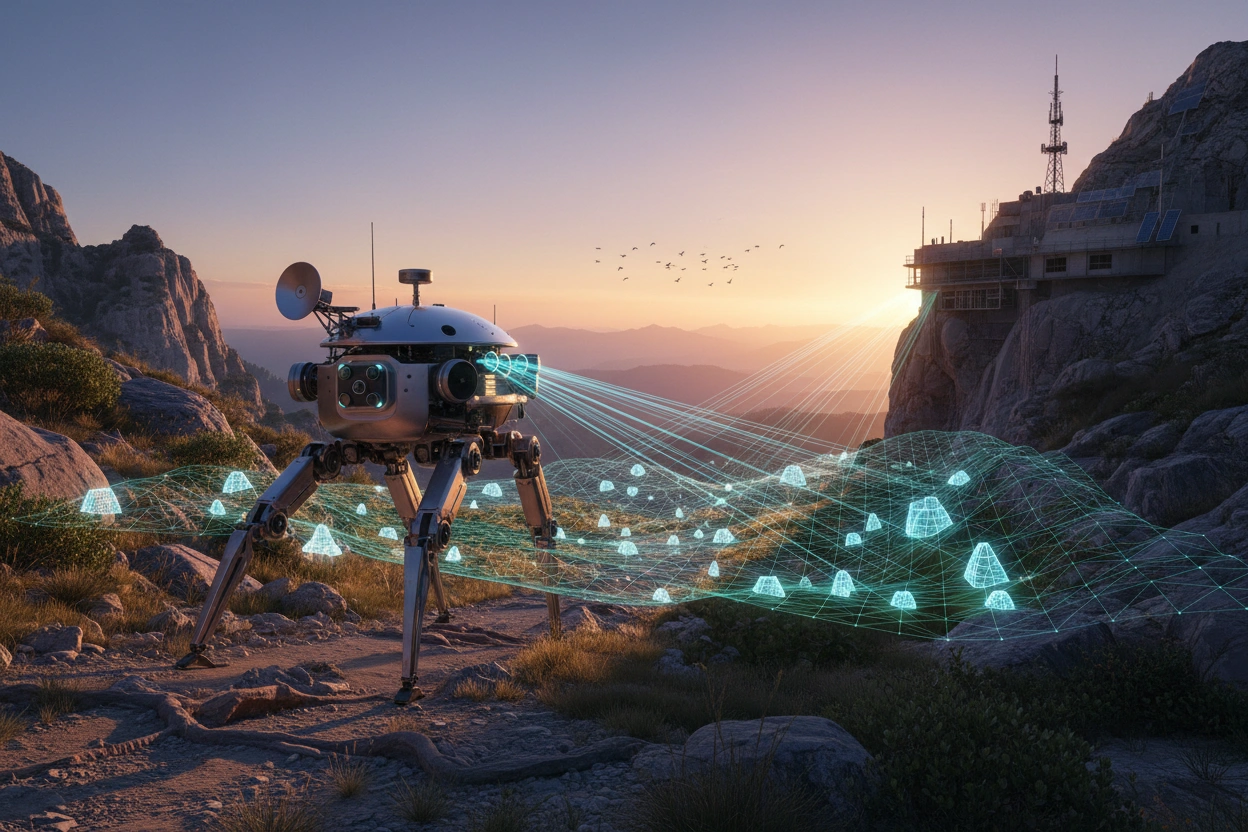
Imagine a world where robots can autonomously navigate complex environments just like humans. This scenario is increasingly becoming a reality as advancements in robotics and artificial intelligence continue to reshape our interaction with technology. Autonomous robots are equipped with sophisticated systems that allow them to perceive their surroundings, make real-time decisions, and navigate effectively through various physical environments. This article explores how these robots achieve such remarkable capabilities, focusing on the technologies that enable their perception and navigation.
The Basics of Robot Perception Technology
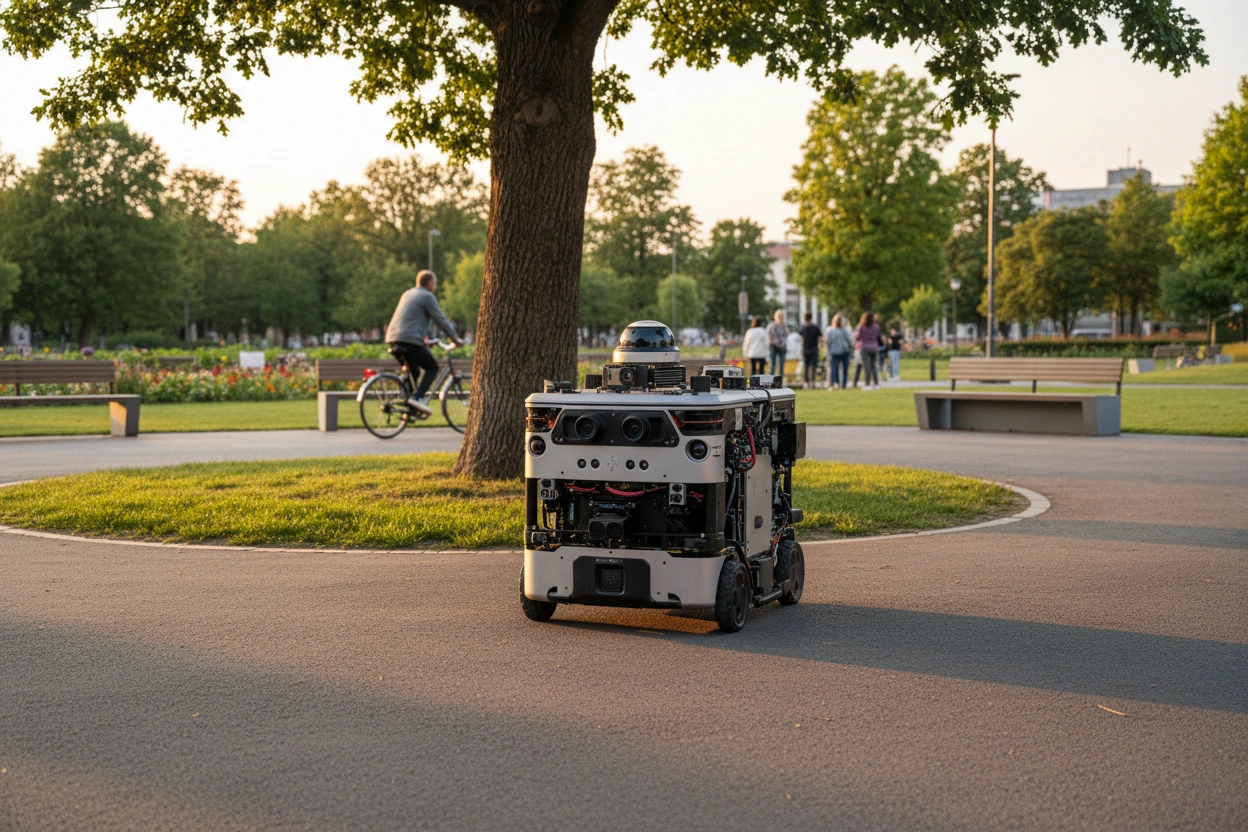
Robot perception refers to the ability of robots to interpret and understand data from their environment through various sensing technologies. This capability is vital for autonomous operation, as it allows robots to detect obstacles, recognize objects, and understand spatial relationships. Environmental sensing is the foundation of robot perception, enabling machines to gather data through sensors such as cameras, lidar, and ultrasonic devices.
The importance of environmental sensing in robotics cannot be overstated. It allows robots to create a mental model of their surroundings, which is essential for making informed decisions. For example, an autonomous delivery robot must be able to identify pedestrians, navigate around obstacles, and adjust its path in real time to ensure safe and efficient delivery. The integration of various sensor technologies enhances a robot's ability to perceive its environment accurately, which is crucial for tasks ranging from industrial automation to service robotics.
Key Components of Robot Perception
- Sensors: The primary tools for gathering environmental data. Common types include:
- Cameras (2D and 3D)
- Lidar (Light Detection and Ranging)
- Radar
- Ultrasonic sensors
- Data Processing: Algorithms that analyze sensor data to extract meaningful information. This may include object recognition and scene understanding.
- Feedback Mechanisms: Systems that allow robots to adjust their actions based on new information from their environment.
Understanding Autonomous Navigation Systems
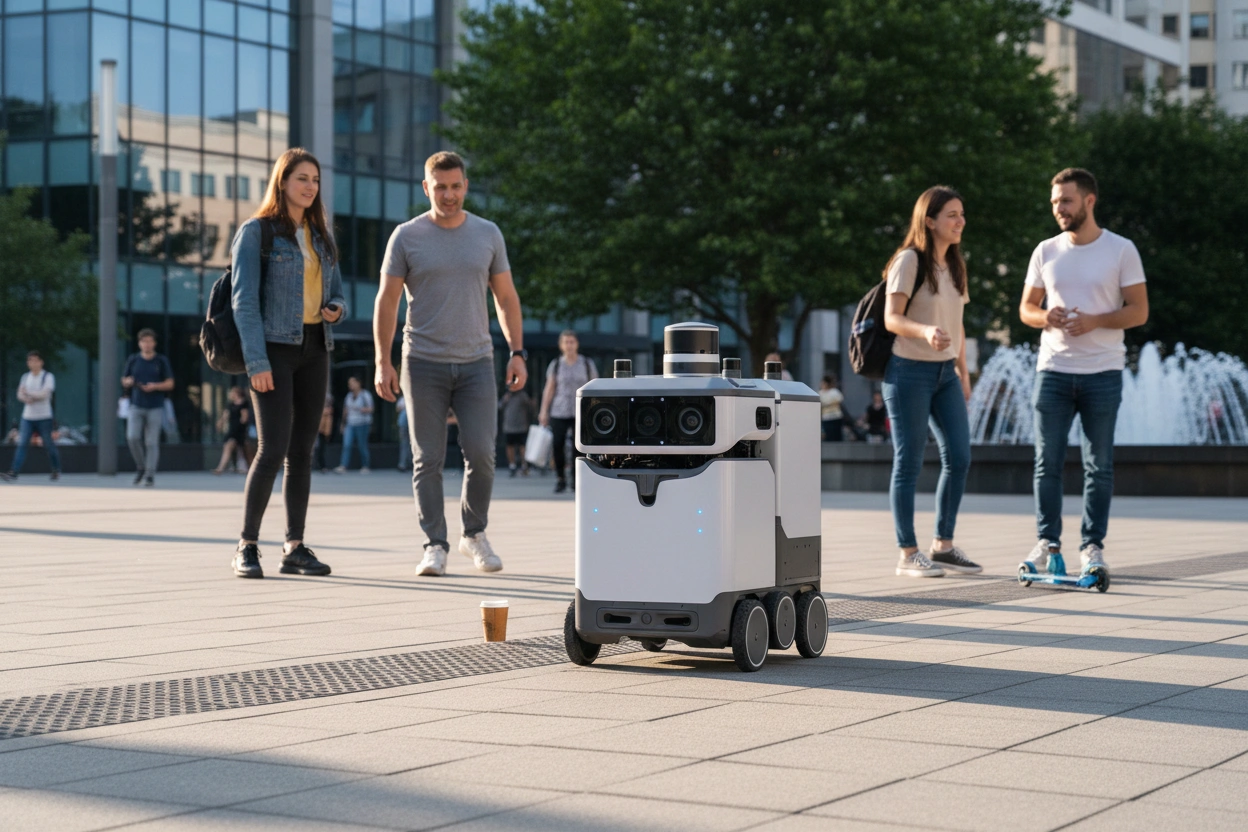
Autonomous navigation systems are crucial for enabling robots to traverse their environments without human intervention. These systems rely on navigation algorithms that process sensor data to determine the robot's position and plan its movement. A common approach involves the use of simultaneous localization and mapping (SLAM), which allows robots to build a map of an unfamiliar environment while keeping track of their own location within it.
Robots make decisions on the move based on real-time data. When navigating, a robot constantly evaluates its surroundings, assesses potential paths, and chooses the most efficient route to its destination. This decision-making process involves various factors, including the speed of movement, energy efficiency, and the need to avoid obstacles. By employing advanced algorithms, robots can adapt to dynamic environments and respond effectively to changes, such as a moving object or an unexpected barrier.
Types of Navigation Algorithms
- Path Planning Algorithms: Determine the best route from the starting point to the destination. Examples include:
- A* (A-star) algorithm
- Dijkstra’s algorithm
- Obstacle Avoidance Algorithms: Help robots navigate around obstacles in real-time. Techniques include:
- Potential fields
- Vector field histogram
- Sensor Fusion Techniques: Combine data from multiple sensors to improve accuracy and reliability in navigation.
Integrating Robotics and AI for Enhanced Perception
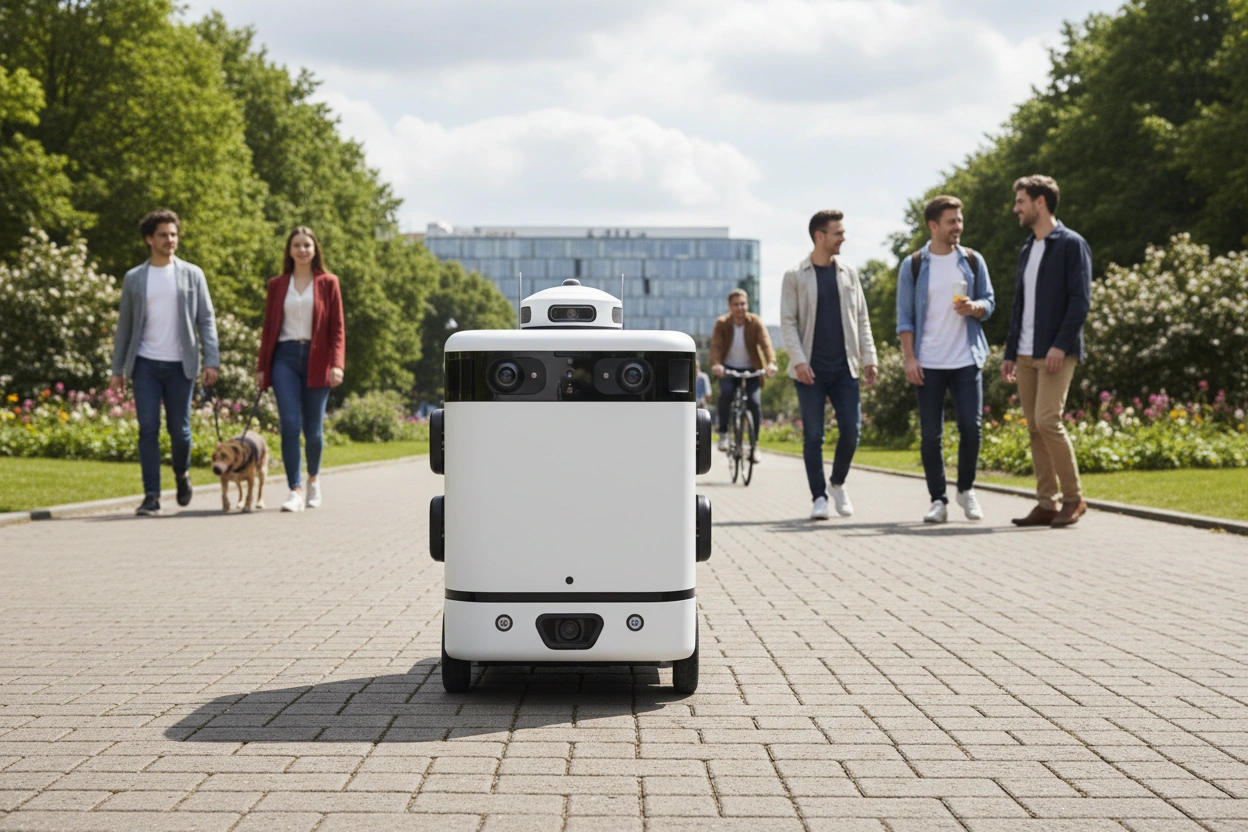
The integration of robotics and artificial intelligence has significantly improved robot interaction with their environments. AI enhances robot perception by enabling them to learn from experience and adapt to new situations. Machine learning algorithms allow robots to recognize patterns, identify objects, and even predict future states based on historical data.
One of the key benefits of this integration is the ability to enhance decision-making processes. For example, an AI-powered robot can analyze data from its sensors and previous experiences to determine the best course of action in a given situation. This capability is particularly important in complex environments, such as factories or urban settings, where robots must navigate through dynamic conditions and interact with people and other machines.
AI Techniques in Robotics
- Computer Vision: Enables robots to interpret visual information from their surroundings, improving object recognition and scene understanding.
- Reinforcement Learning: Allows robots to learn optimal behaviors through trial and error in their environments.
- Natural Language Processing: Facilitates communication between humans and robots, enhancing collaborative tasks.
The Future of Robot Environment Interaction
As technology advances, the future of robot navigation and environmental interaction looks promising. Emerging trends indicate a shift towards more sophisticated navigation algorithms that incorporate advanced machine learning techniques and improved sensor technologies. This evolution will enable robots to perform more complex tasks and operate effectively in diverse environments.
The impact of sensor technologies on future developments is significant. New sensors with enhanced capabilities, such as improved resolution and range, will provide robots with more detailed and accurate data about their surroundings. Additionally, advancements in AI will continue to enhance robots' ability to process and interpret this data, leading to more autonomous and intelligent systems.
Emerging Trends in Navigation
- Collaborative Robots (Cobots): Designed to work alongside humans, these robots will rely on advanced navigation systems that prioritize safety and efficiency.
- Swarm Robotics: A concept where multiple robots work together to achieve common goals, leveraging collective navigation strategies.
- Adaptive Learning Systems: Robots that can adjust their behavior based on environmental changes and user interactions, leading to more intuitive navigation.
How AI Enables Autonomous Robots to Navigate the Physical World
Autonomous navigation sits at the core of modern robotics, combining perception systems, real-time mapping, and AI-driven decision-making to help machines understand and move through complex environments. From computer vision and sensor fusion to path planning and reinforcement learning, these technologies allow robots to adapt dynamically rather than follow rigid instructions. Understanding how these systems work together is key to grasping where automation is headed across industries like logistics, healthcare, and manufacturing.
At Edge of Show, we dive into these breakthroughs at the intersection of robotics, AI, and emerging technology by highlighting the people and ideas shaping the future. If you want to explore how autonomous systems are evolving—and what it means for the next wave of innovation—tune in to the Edge of Show podcast for in-depth conversations that go beyond the surface.
.jpg)

.jpg)
.webp)
.webp)
.webp)


.svg)


