

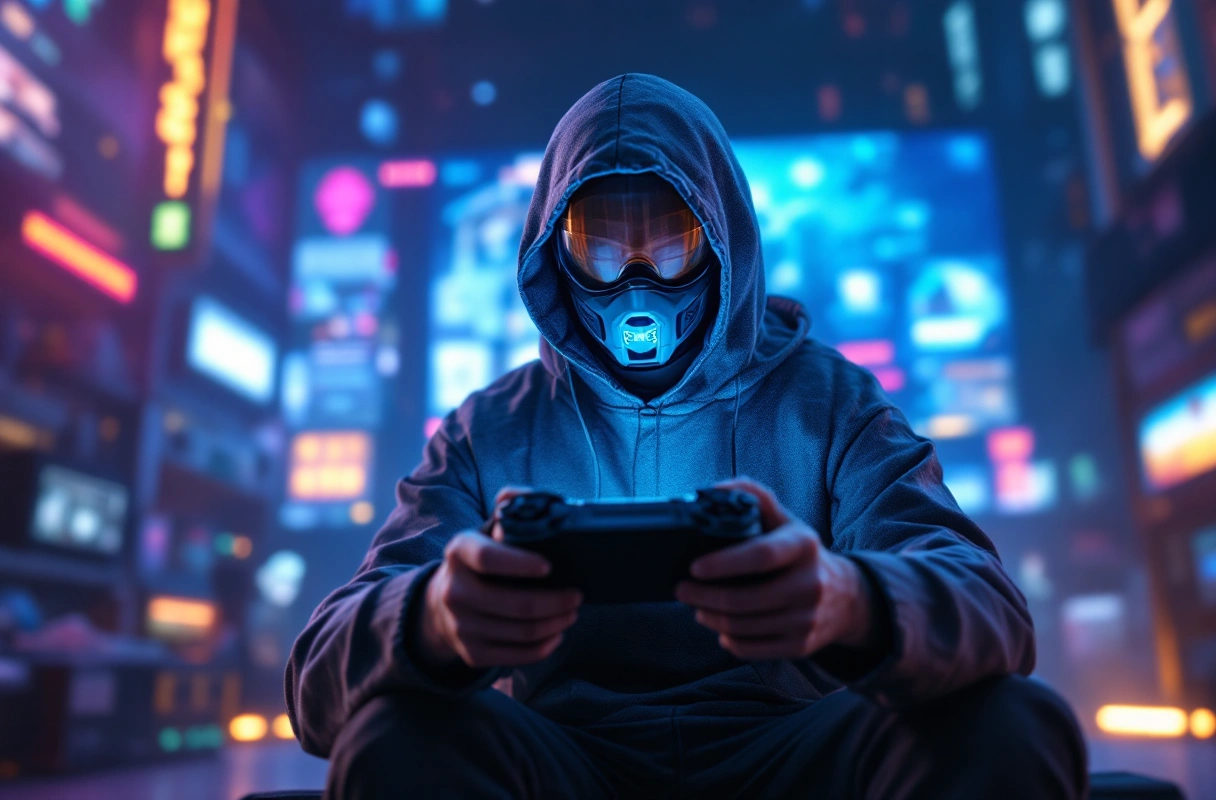
The landscape of gaming and entertainment has undergone a dramatic shift with the advent of Web3 technologies. Digital collectibles, powered by blockchain technology, are leading this transformation, creating new opportunities for gamers, developers, and investors alike. As we move further into 2025, understanding the role of these digital assets in the ecosystem of web3 gaming and entertainment is essential for anyone involved in the space. This article will explore how digital collectibles are shaping the future of gaming and entertainment, while also providing top strategies for investing in NFT gaming projects.
Understanding the Role of Digital Collectibles in Web3 Gaming

Digital collectibles, often manifested as non-fungible tokens (NFTs), represent unique assets that can be owned, traded, and utilized within various digital environments. These collectibles offer players a sense of ownership and connection to the games they play, which is a significant departure from traditional gaming models where assets are often locked within the game itself.
The Mechanics of Digital Collectibles
Digital collectibles operate on blockchain technology, which ensures their authenticity and scarcity. Each NFT is a unique token that represents ownership of a specific item, character, or piece of content within a game or entertainment platform. This ownership is verifiable on the blockchain, creating a secure and transparent marketplace for players and collectors.
- Ownership and Provenance: Players can buy, sell, and trade their digital collectibles, with every transaction recorded on the blockchain. This feature enhances the value of collectibles, as buyers can trace the history and authenticity of each item.
- Interoperability: Many digital collectibles can be used across different games and platforms, allowing players to leverage their investments in multiple environments. This interoperability is a hallmark of web3 gaming and entertainment, creating a more cohesive user experience.
- Community Engagement: Digital collectibles foster community among players, as they often represent shared interests or achievements within a game. This connection can lead to increased engagement and loyalty, as players feel more invested in the games they play.
The Impact on Game Development and Monetization
The rise of digital collectibles has prompted developers to rethink their monetization strategies. Traditional models often relied on in-game purchases or subscriptions, but the introduction of NFTs has opened up new revenue streams.
- Play-to-Earn Models: Many web3 games now incorporate play-to-earn mechanics, where players can earn NFTs through gameplay. This incentivizes participation and creates a more engaging experience.
- Secondary Markets: Developers can benefit from secondary sales of NFTs, earning a percentage of each transaction. This not only provides ongoing revenue but also encourages the creation of unique and desirable collectibles.
- Crowdfunding and Community Investment: Developers can raise funds for new projects through the sale of NFTs, allowing fans to invest in upcoming games. This model aligns the interests of developers and players, creating a more collaborative environment.
Top Strategies for Investing in NFT Gaming Projects

As the web3 gaming and entertainment sector continues to evolve, investing in NFT gaming projects presents both opportunities and risks. Here are some effective strategies to consider when navigating this burgeoning market.
1. Conduct Thorough Research
Before investing in any NFT gaming project, it's essential to conduct comprehensive research. This includes understanding the game's mechanics, the team behind the project, and the overall market trends.
- Project Whitepapers: Review the project's whitepaper to gain insights into its vision, roadmap, and tokenomics. This document should outline the project's goals and how it plans to achieve them.
- Community Engagement: Evaluate the project's community on platforms like Discord or Twitter. A strong, engaged community can indicate a project's potential for success.
- Market Trends: Stay updated on gaming trends and shifts in consumer behavior. Understanding the broader market can help identify promising investment opportunities.
2. Diversify Your Portfolio
Investing in a single NFT gaming project can be risky. Diversifying your investments across multiple projects can help mitigate potential losses.
- Varied Genres: Consider investing in projects across different gaming genres, such as RPGs, strategy games, and metaverse platforms. This diversification can help balance your portfolio.
- Different Asset Types: Look for opportunities in various types of digital collectibles, including in-game items, characters, and virtual real estate. Each asset type may perform differently based on market demand.
3. Monitor Market Activity
Keeping an eye on market activity is crucial for making informed investment decisions. Utilize tools and platforms that track NFT sales and trends.
- NFT Marketplaces: Platforms like OpenSea and Rarible provide insights into sales trends and pricing for various NFTs. Regularly checking these marketplaces can help you identify potential investment opportunities.
- Analytics Tools: Use analytics tools that offer insights into market performance, such as sales volume and average prices. These tools can help you make data-driven decisions.
4. Engage with the Community
Active engagement with the gaming and NFT community can provide valuable insights and networking opportunities. Participating in discussions can enhance your understanding of the market and help you identify promising projects.
- Join Online Forums: Participate in forums and social media groups focused on NFT gaming. Engaging with other investors and enthusiasts can lead to valuable information and tips.
- Attend Events: Consider attending virtual or in-person events focused on web3 gaming and NFTs. Networking with industry professionals can provide insights into upcoming trends and projects.
Common Misconceptions About NFT Gaming

As NFT gaming gains popularity, several misconceptions persist that can lead to poor investment decisions. Addressing these misunderstandings is crucial for anyone looking to enter the market.
Misconception 1: NFTs Are Just a Fad
One common misconception is that NFTs are merely a passing trend. While some projects may come and go, the underlying technology and the shift towards decentralized entertainment are here to stay.
- Sustained Interest: The continued interest from major gaming companies and developers indicates a long-term commitment to incorporating NFTs into gaming.
- Technological Advancements: As blockchain technology matures, new applications for NFTs are likely to emerge, further embedding them into the gaming landscape.
Misconception 2: All NFTs Have Value
Not all NFTs are created equal, and many lack intrinsic value. It's essential to assess the potential worth of any digital collectible before investing.
- Scarcity and Utility: The value of an NFT often depends on its rarity and utility within a game. Conducting research into these factors can help determine an asset's potential worth.
- Market Demand: The market for NFTs can be volatile, with prices fluctuating based on demand. Understanding market dynamics is crucial for making informed investment choices.
Misconception 3: NFT Gaming Is Only for Speculators
While some individuals may view NFT gaming solely as a speculative investment, many players are genuinely interested in the gaming experience itself.
- Play-to-Earn Opportunities: Many players engage with NFT games to earn rewards and enhance their gameplay experience, rather than just for profit.
- Community Building: NFT gaming fosters communities where players can connect, collaborate, and share their experiences, creating a rich environment beyond mere speculation.
The Future of Web3 Gaming and Entertainment
As we look ahead to the future of web3 gaming and entertainment, several trends are likely to shape the industry landscape. Understanding these trends can provide insights into where to focus investments and how to engage with the evolving market.
Growth of Decentralized Platforms
The rise of decentralized entertainment platforms will continue to disrupt traditional gaming models. These platforms empower creators and players by removing intermediaries, allowing for more direct interaction and transactions.
- User-Generated Content: Decentralized platforms encourage users to create and monetize their content, fostering innovation and creativity within the gaming ecosystem.
- Ownership Rights: Players will have greater control over their assets, enhancing the sense of ownership and investment in their gaming experiences.
Integration of Virtual Economies
Virtual economies will become increasingly sophisticated, allowing players to earn, trade, and spend digital currencies within and across games. This development will create new opportunities for economic participation.
- Cross-Game Compatibility: As games become more interconnected, players will be able to transfer assets and currencies between different platforms, enhancing the overall gaming experience.
- Real-World Value: The ability to convert in-game earnings into real-world value will drive more players to engage with NFT gaming and decentralized entertainment.
Emergence of New Gaming Experiences
Innovative gaming experiences that blend augmented reality (AR), virtual reality (VR), and web3 technologies will redefine how players interact with digital environments.
- Immersive Gameplay: As AR and VR technologies advance, gamers can expect more immersive and interactive experiences that leverage digital collectibles in exciting new ways.
- Collaborative Play: New formats for collaborative gameplay will emerge, allowing players to work together in unique ways that enhance engagement and community building.
The Intersection of Digital Collectibles and Web3 Gaming
Digital collectibles are becoming a core pillar of Web3 gaming—giving players true ownership, tradeable value, and deeper emotional connection to the worlds they participate in. As this ecosystem expands, understanding how NFTs, in-game economies, and community-driven mechanics intersect will be essential for developers, gamers, and investors looking to stay ahead.
At Edge of Show, we explore how digital ownership is reshaping gameplay, monetization, and creative possibility across blockchain-powered entertainment. Whether you're evaluating NFT gaming trends or building within the space, our insights can guide your next steps.
To dive deeper into the future of digital collectibles and Web3 gaming — tune in to the Edge of Show podcast.
.jpg)

.jpg)
.webp)
.webp)
.webp)


.svg)


