


The tokenization of real world assets is emerging as a pivotal development in the financial landscape, significantly altering how individuals and institutions approach investment. By converting physical assets into digital tokens on a blockchain, this process enables fractional ownership, enhances liquidity, and simplifies transactions. In a market that is becoming increasingly digitized, the integration of blockchain technology into asset management represents a monumental shift. This article will delve into the mechanics of asset tokenization, its benefits, challenges, and the future predictions regarding this innovative investment approach.
Understanding Tokenization of Real World Assets
Tokenization refers to the process of converting rights to an asset into a digital token on a blockchain. This transformation allows for a more efficient way to buy, sell, and trade assets, as well as to unlock new investment opportunities. The assets that can be tokenized range from real estate and art to stocks and commodities, providing an array of possibilities for investors.
The Mechanics of Tokenization
The process of tokenization involves several key steps:
- Asset Identification: The first step is identifying which real world asset will be tokenized. This could be anything from real estate properties to rare collectibles.
- Legal Framework Establishment: Establishing a legal framework is essential to ensure that the token represents actual ownership rights and complies with regulatory requirements.
- Token Creation: Once the legal structure is in place, digital tokens are created using blockchain technology. Each token represents a share of the asset.
- Distribution: The tokens are then distributed to investors, allowing them to buy and sell their shares in the asset.
- Trading: Finally, tokens can be traded on various platforms, providing liquidity that traditional assets often lack.
This process not only democratizes access to investment opportunities but also fosters a more transparent marketplace.
Benefits of Tokenization
The tokenization of real world assets offers numerous advantages for investors and asset owners alike:
- Fractional Ownership: Tokenization allows multiple investors to own fractions of high-value assets, such as real estate or fine art, which would otherwise be unattainable for individual investors.
- Increased Liquidity: Traditional investments can often be illiquid, requiring long holding periods. Tokenization enables quicker transactions, making it easier to buy and sell assets.
- Transparency and Security: Blockchain technology provides a secure and transparent record of ownership, reducing the potential for fraud and ensuring that all transactions are traceable.
- Global Accessibility: Investors from around the world can participate in markets that were previously inaccessible, broadening the scope of investment opportunities.
These benefits position tokenization as a transformative force in asset management and investment.
Challenges in Tokenizing Real World Assets

While the potential of asset tokenization is vast, there are several challenges that must be addressed for widespread adoption.
Regulatory Compliance
One of the most significant hurdles in the tokenization of real world assets is navigating the complex regulatory landscape. Different jurisdictions have varying laws regarding securities, property rights, and digital assets. Ensuring compliance with these regulations is essential to avoid legal complications and protect investors.
Technological Limitations
The technology underpinning blockchain and tokenization is still evolving. Issues such as scalability, interoperability between different blockchain networks, and user experience must be addressed to facilitate broader adoption. For instance, Ethereum, a leading blockchain for tokenization, has faced challenges with network congestion and high transaction fees, which can deter users.
Market Education
Many potential investors and asset owners are still unfamiliar with the concept of tokenization. Education is crucial to demystifying this technology and demonstrating its value. Stakeholders in the blockchain ecosystem must work to provide resources and knowledge to increase understanding and acceptance of tokenized assets.
Future Predictions: The Next Frontier for Tokenized Real World Assets
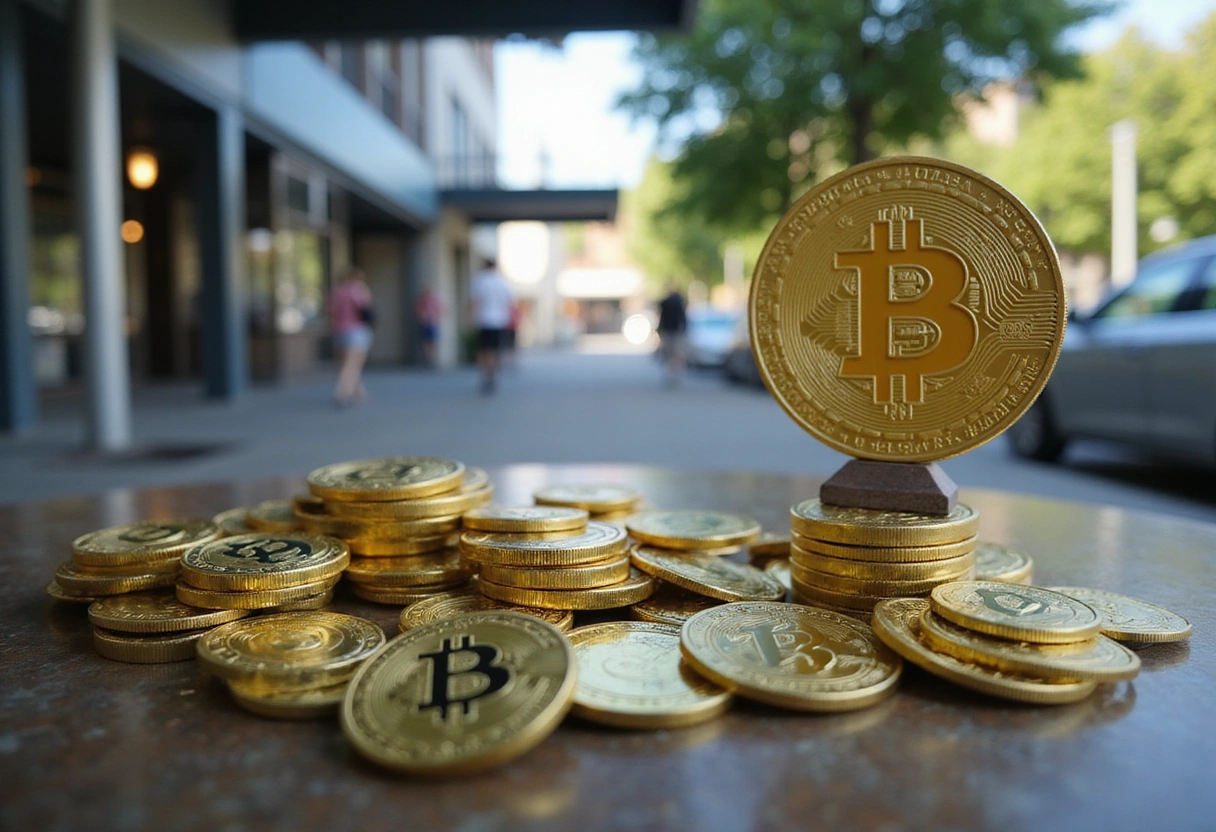
As we look ahead, several trends and predictions emerge regarding the future of tokenization in the investment landscape.
Rise of Decentralized Finance (DeFi)
Decentralized finance is set to play a pivotal role in the tokenization of real world assets. DeFi platforms are already facilitating the trading of tokenized assets, enabling users to earn interest, trade, and invest in new ways. As these platforms continue to grow, they will likely become integral to the broader tokenization ecosystem.
Integration with Non-Fungible Tokens (NFTs)
NFTs have gained immense popularity, particularly in the art and entertainment industries. The integration of real world assets with NFTs could redefine ownership and authenticity, allowing physical assets to be linked to digital tokens that represent their ownership and provenance. This could lead to innovative applications in sectors such as real estate, where properties are represented as NFTs.
Increased Institutional Adoption
As understanding of blockchain and tokenization grows, institutional investors are likely to become more involved in this space. The participation of institutional players can drive legitimacy and stability in the market, attracting more retail investors and fostering a robust investment environment.
Sustainability and Social Impact
Tokenization can also align with sustainability goals. By allowing fractional ownership in green projects or renewable energy assets, investors can contribute to social impact initiatives while also seeking returns. This could open new avenues for investment that prioritize environmental and social governance (ESG) criteria.
Common Misconceptions About Tokenization
Despite the growing interest in the tokenization of real world assets, several misconceptions persist that can hinder understanding and adoption.
Misconception 1: Tokenization Only Benefits Large Investors
Many people believe that tokenization primarily benefits wealthy investors by allowing them to diversify their portfolios further. In reality, tokenization democratizes access to high-value assets, enabling smaller investors to participate in markets that were previously closed to them.
Misconception 2: Tokenized Assets Are Not Secure
Some individuals may perceive tokenized assets as less secure than traditional investments. However, blockchain technology offers enhanced security features, including immutable records and cryptographic protection, which can mitigate risks associated with ownership and fraud.
Misconception 3: Tokenization Is Just a Fad
With the rapid evolution of technology, some may view tokenization as a passing trend. However, the increasing integration of blockchain technology in various industries suggests that tokenization is a fundamental shift in how assets are managed and traded.
Actionable Insights for Engaging with Tokenization
For those interested in exploring the tokenization of real world assets, consider the following actionable steps:
- Stay Informed: Keep up with industry developments by following reputable sources and attending webinars or conferences focused on blockchain and asset tokenization.
- Engage with Platforms: Explore platforms that facilitate the tokenization of assets. Many startups and established firms are offering opportunities to invest in tokenized real estate, art, and other assets.
- Understand Regulatory Frameworks: Familiarize yourself with the regulations governing tokenized assets in your jurisdiction to ensure compliance and protect your investments.
- Participate in Community Discussions: Join forums and online communities where blockchain enthusiasts and investors discuss trends, challenges, and opportunities related to tokenization.
- Evaluate Investment Risks: As with any investment, assess the risks associated with tokenized assets. Conduct thorough research and consider diversification to mitigate potential losses.
The Future of Investment: Tokenization of Real World Assets and Edge of Show
The tokenization of real world assets opens the door to a new investment era — where ownership becomes more liquid, global, and accessible than ever before. As blockchain technology matures, the ability to fractionalize and democratize high-value assets will reshape how investors build portfolios, diversify risk, and discover returns across entirely new categories.
At Edge of Show, we explore this shift in real time — helping Web3 builders, crypto investors, collectors, and early adopters understand how tokenization will impact markets, wealth creation, and long-term capital strategy.
To stay ahead of where tokenized finance is heading — tune in to the Edge of Show podcast.
.jpg)

.jpg)
.webp)
.webp)
.webp)


.svg)


