

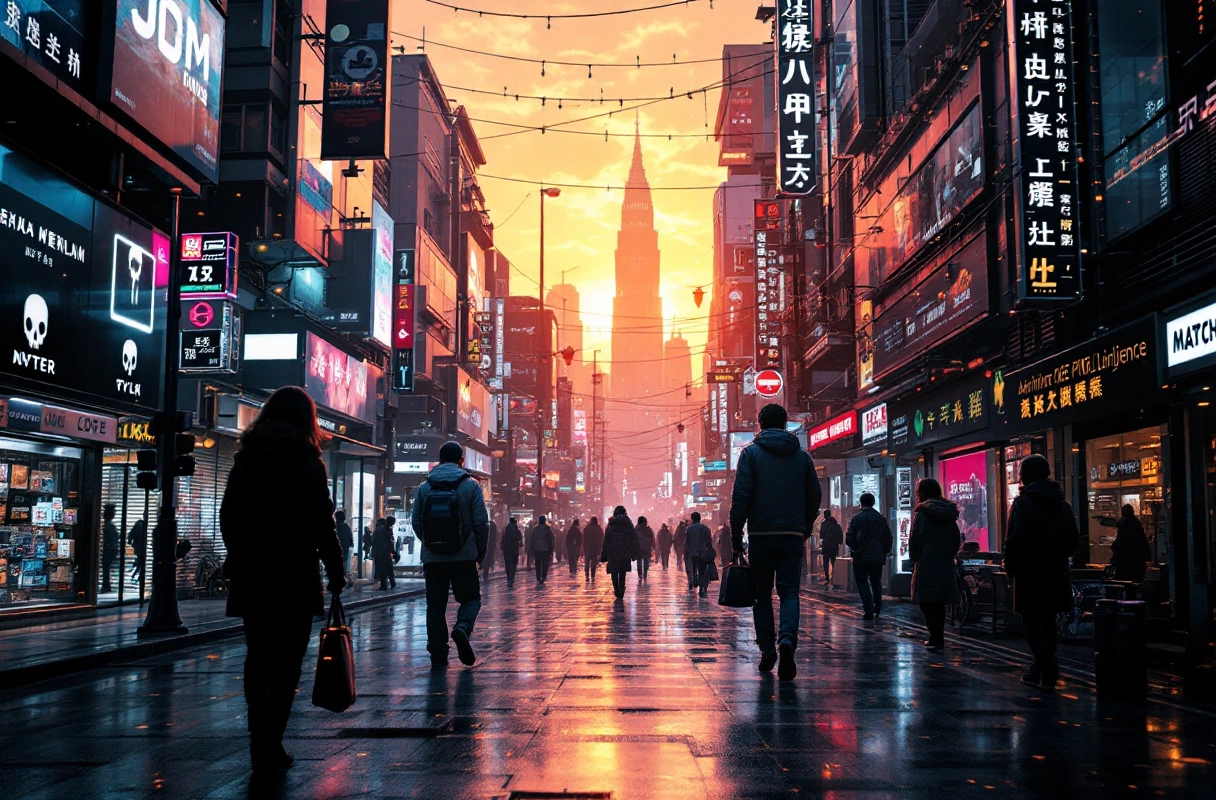
The intersection of artificial intelligence and digital art is reshaping how creators, collectors, and platforms approach the world of NFTs. In recent years, the rise of AI technologies has led to innovative applications that enhance the creation, distribution, and monetization of digital art. It is essential to understand how these advancements are influencing the NFT space and the implications for artists and collectors alike.
Artificial intelligence not only streamlines processes but also introduces new forms of creativity that were previously unimaginable. From generative art powered by machine learning to the automation of transactions via smart contracts, AI is becoming a crucial component in the ecosystem of NFTs. This article explores the emerging trends of AI in cryptocurrency trading, its applications in the NFT market, and how it is transforming digital art.
The Impact of Artificial Intelligence on NFTs
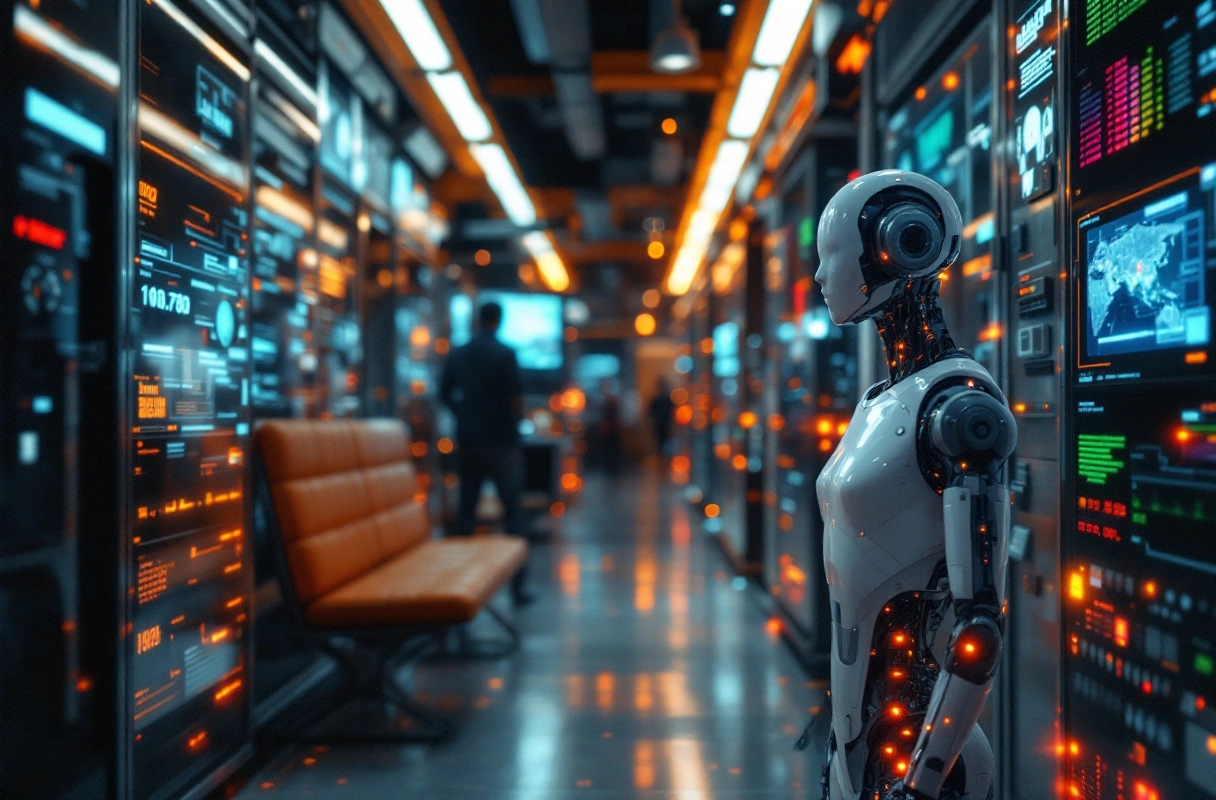
Artificial intelligence is redefining the NFT landscape in multiple ways. By enhancing creativity, improving the user experience, and enabling more efficient transactions, AI technologies are revolutionizing how digital art is created, shared, and sold.
Enhanced Creativity Through Generative Art
Generative art utilizes algorithms to produce unique visual pieces, often resulting in complex and unexpected designs. This form of art is increasingly being adopted by digital artists who leverage machine learning models to create stunning visuals.
- Machine Learning Models: Artists can use models like GANs (Generative Adversarial Networks) to generate art that evolves over time. This technology allows for an endless variety of outputs, ensuring that no two pieces are ever the same.
- Interactive Art: AI can create art that responds to viewer interactions, making the experience more engaging and personalized. For instance, a piece of art might change colors or shapes based on the viewer's movements or inputs.
- Collaboration Between Human and Machine: Artists are beginning to collaborate with AI systems to explore new creative horizons. This partnership can lead to innovative works that blend human intuition with machine-generated complexity.
Smart Contracts and Automated Transactions
One of the most significant advantages of integrating artificial intelligence with blockchain technology is the automation of transactions through smart contracts. These contracts execute automatically when predefined conditions are met, streamlining the buying and selling process of NFTs.
- Efficiency: Smart contracts eliminate the need for intermediaries, reducing transaction costs and time. This efficiency is particularly beneficial for artists who want to sell their work directly to collectors.
- Transparency: With AI-enhanced smart contracts, the terms of the sale are clear and verifiable, providing artists and buyers with peace of mind regarding ownership and royalties.
- Dynamic Pricing Models: AI can analyze market trends and adjust prices in real-time based on demand, ensuring that artists receive fair compensation for their work.
AI Trends in Cryptocurrency Trading
Artificial intelligence is also making waves in the world of cryptocurrency trading, offering tools and strategies that can enhance trading decisions. Here are some of the emerging trends in this area:
Predictive Analytics and Trading Algorithms
AI-driven predictive analytics can help traders make informed decisions by analyzing vast amounts of data quickly and accurately.
- Market Sentiment Analysis: AI can assess social media trends and news articles to gauge market sentiment, providing traders with insights into potential price movements.
- Algorithmic Trading: Automated trading strategies powered by AI can execute trades based on predefined criteria, allowing traders to capitalize on market opportunities without manual intervention.
- Risk Management: AI can assess the risk associated with specific trades by analyzing historical data and current market conditions, enabling traders to make more informed decisions.
Decentralized AI and Blockchain Integration
The concept of decentralized AI is gaining traction, particularly in the context of blockchain technology. This integration allows for more secure and transparent AI applications.
- Data Ownership: With decentralized AI, users maintain control over their data, ensuring privacy and security. This is especially important in the world of NFTs, where ownership and provenance are critical.
- Collaboration Across Networks: Decentralized AI can facilitate collaboration between artists, developers, and collectors, leading to innovative projects and community-driven initiatives.
- Enhanced Security: Blockchain's immutable nature can protect AI models from tampering, ensuring the integrity of the algorithms used in trading and art generation.
Common Misconceptions About AI in NFTs
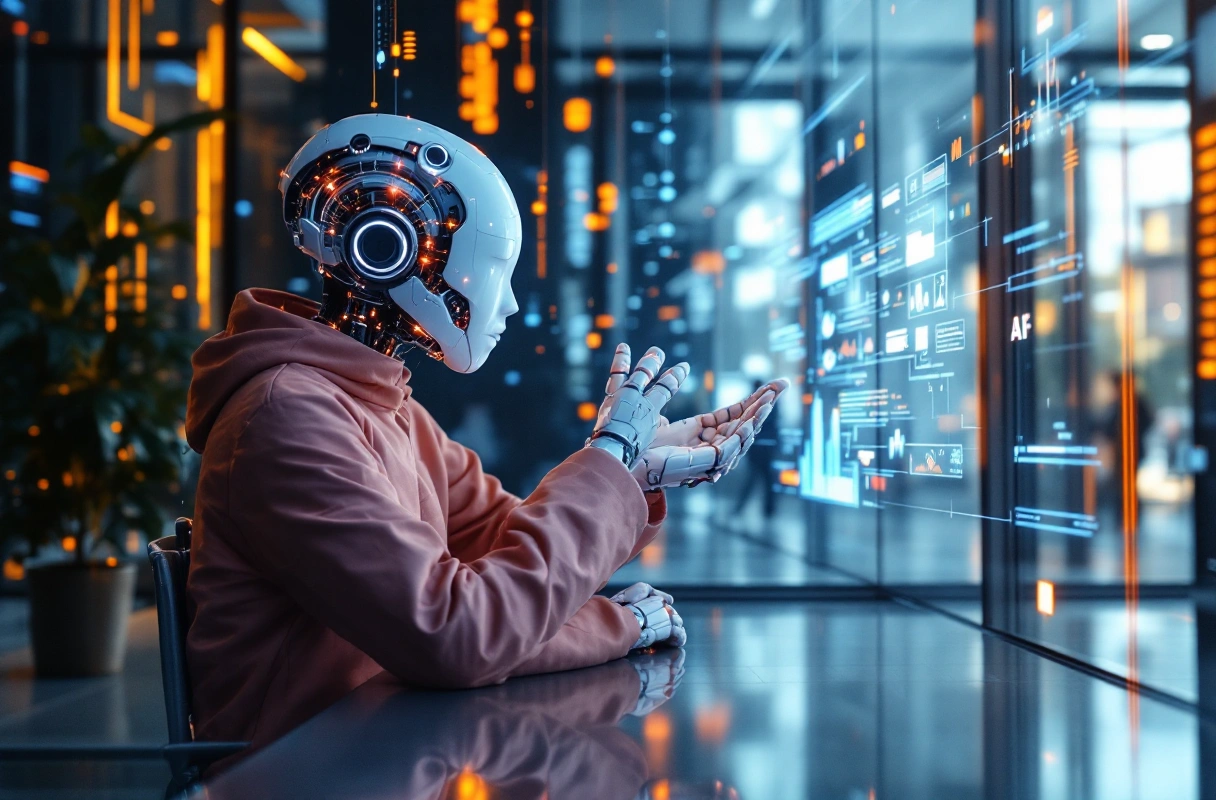
Despite the growing interest in artificial intelligence and NFTs, several misconceptions persist that can hinder understanding and adoption. Addressing these misconceptions is essential for fostering an informed community of artists and collectors.
AI Replaces Human Creativity
One common misconception is that AI will replace human artists. In reality, AI serves as a tool that enhances human creativity rather than replacing it.
- Collaborative Creation: Many artists use AI to explore new ideas and techniques, leading to innovative works that blend human creativity with machine intelligence.
- Augmentation, Not Replacement: AI tools can assist artists in their creative processes, providing suggestions and generating variations that artists can refine and personalize.
AI Art Lacks Authenticity
Another misconception is that art generated by AI lacks authenticity and emotional depth. While AI can create impressive visuals, the emotional connection often comes from the artist's intent and vision.
- Artist's Role: The artist's input and decision-making process are crucial in shaping the final piece, even when using AI-generated elements.
- Value of Unique Perspectives: AI-generated art can offer fresh perspectives and challenge traditional notions of creativity, enriching the art world.
Practical Applications of AI in Digital Art
The integration of artificial intelligence into digital art has opened up numerous practical applications that benefit both creators and collectors. Here are some notable examples:
AI-Powered Art Marketplaces
Several online platforms are utilizing AI to enhance the user experience for buying and selling NFTs.
- Personalized Recommendations: AI algorithms can analyze user preferences and behavior to suggest relevant artworks, making it easier for collectors to discover new artists.
- Fraud Detection: AI can help identify potential fraud by analyzing transaction patterns and flagging suspicious activity, ensuring a safer marketplace for buyers and sellers.
AI in Gaming and Virtual Worlds
The gaming industry is increasingly adopting AI technologies to enhance user experiences and create dynamic environments.
- Procedural Content Generation: AI can generate unique game environments, characters, and narratives, providing players with fresh experiences every time they play.
- Player Interaction: AI can create responsive non-player characters (NPCs) that adapt to player actions, making games more immersive and engaging.
The Future of AI and NFTs
As we look ahead, the potential for artificial intelligence in the NFT space appears vast and promising. Several trends are likely to shape the future of this intersection.
Increased Integration of AI Technologies
The continued integration of AI technologies with NFTs will lead to more sophisticated applications and tools that enhance the creative process.
- Advanced Generative Models: Future developments in AI will likely yield even more advanced generative models that can produce complex and high-quality art pieces.
- Collaborative Platforms: We can expect to see the emergence of platforms that facilitate collaboration between AI and human artists, leading to innovative projects that push the boundaries of creativity.
Expanding Use Cases Beyond Art
The applications of AI in the NFT space are not limited to art. Other industries, such as music, fashion, and entertainment, are beginning to explore how AI can enhance their offerings.
- Music NFTs: AI technologies can be used to create unique music compositions that can be tokenized and sold as NFTs.
- Fashion Design: AI can assist designers in creating unique clothing and accessories, which can then be sold as digital assets in virtual worlds.
The Intersection of AI and Digital Art with Edge of Show
AI is reshaping the NFT and digital art landscape—expanding what creators can build and redefining how collectors discover, assess, and invest in digital works. As generative tools, intelligent curation systems, and on-chain AI models continue to grow, understanding this evolution becomes essential for anyone participating in the future of digital creativity.
At Edge of Show, we break down these shifts and help digital artists, collectors, and Web3 builders make sense of the emerging possibilities. Whether you're experimenting with AI-driven creation or exploring how machine intelligence influences market trends, our insights can guide your next move.
To stay ahead of how AI is transforming NFTs, art, and the broader Web3 ecosystem — tune in to the Edge of Show podcast.
.jpg)

.jpg)
.webp)
.webp)
.webp)


.svg)


