


Artificial intelligence is revolutionizing the way we create and experience games. This transformative technology is not only streamlining production processes but also enriching the creative potential available to developers. Indie developers, often constrained by limited budgets and resources, stand to gain significantly from the advancements in AI. This article explores how AI is transforming game design and world building, particularly for indie developers, by enhancing creativity and efficiency.
The Role of AI in Shaping Game Design

AI technologies are increasingly becoming integral to the gaming industry. From procedural content generation to intelligent NPC behavior, AI has opened up new avenues for game design. Developers are leveraging machine learning algorithms to create dynamic and adaptive gameplay experiences that were previously unattainable.
AI empowers developers to innovate by providing tools that simplify complex tasks. For instance, AI-driven design tools can analyze player behavior in real-time, allowing developers to tweak game mechanics and balance difficulty on the fly. This capability not only enhances player satisfaction but also enables developers to focus more on creative aspects rather than getting bogged down in technical details. The ability to generate realistic graphics and animations through AI also allows indie developers to create visually appealing games without the need for large art teams.
Key AI Technologies in Gaming
- Procedural Generation: This technique uses algorithms to create content dynamically. Games like "No Man's Sky" utilize procedural generation to create vast universes with unique planets and ecosystems.
- Machine Learning: AI systems can learn from player interactions, making NPCs more responsive and intelligent. This leads to more engaging gameplay experiences.
- Natural Language Processing: This technology allows for more sophisticated dialogue systems, enabling players to interact with characters in a more meaningful way.
Innovative World Building Techniques Enhanced by AI
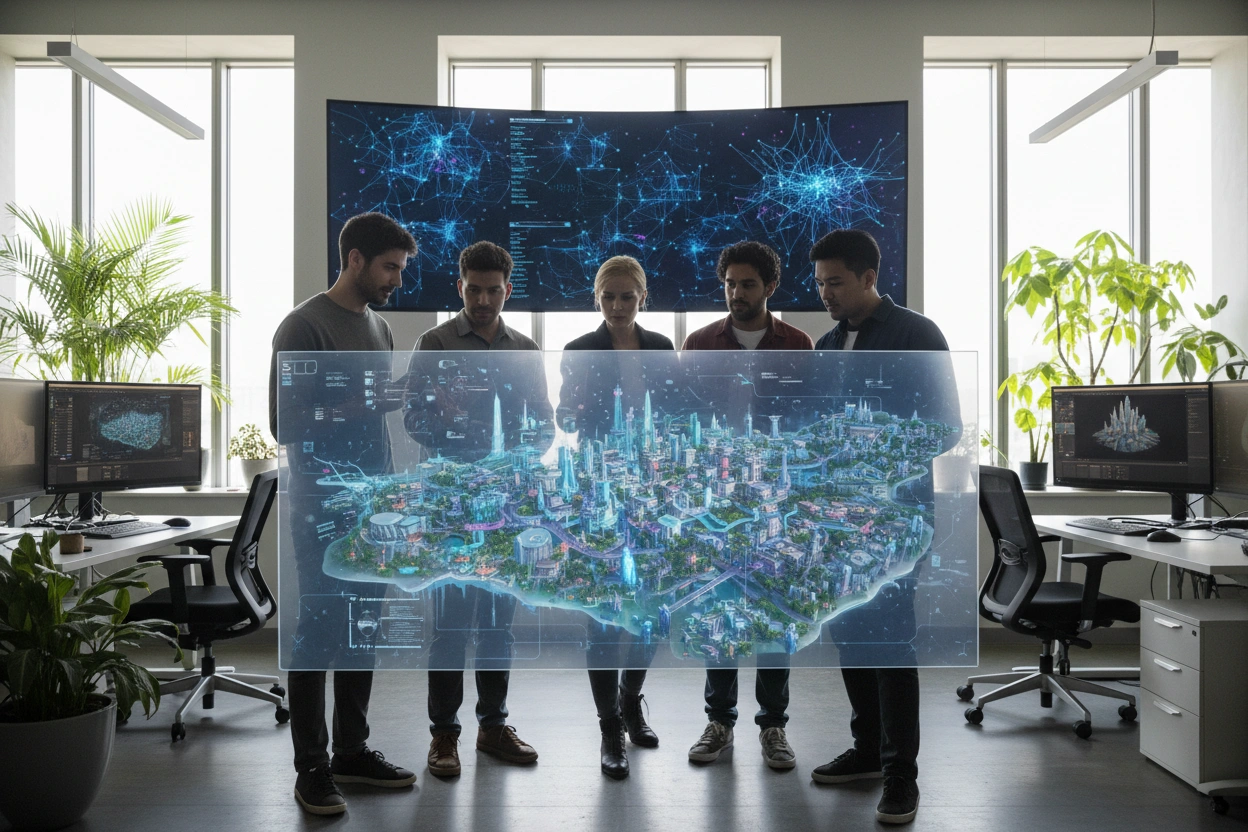
World building is a crucial aspect of game design, and AI is playing a vital role in this area. With the help of AI, developers can create expansive, immersive environments that captivate players. One of the most significant advancements is the use of procedural generation techniques to build vast and varied game worlds.
Procedural generation allows indie developers to create intricate environments without having to design every element manually. For example, using algorithms, developers can generate terrain, flora, and fauna that contribute to a rich game world. This not only saves time and resources but also provides players with unique experiences in each playthrough.
Creating Immersive Narratives through AI
AI is also enhancing storytelling in games. By analyzing player choices and actions, AI can adapt narratives in real-time, creating a more personalized experience. This interactive storytelling approach allows players to feel more connected to the game world. Games such as "Detroit: Become Human" illustrate how AI can shape narratives based on player decisions, resulting in multiple endings and varied experiences.
- Dynamic Storytelling: AI can modify storylines based on player actions, making each gameplay unique.
- Character Development: AI can help create complex characters that evolve based on interactions, deepening the narrative experience.
- Environmental Storytelling: AI can populate worlds with lore and history, allowing players to uncover stories through exploration.
Future Trends in Game Development Driven by AI

As AI technologies continue to advance, the future of game design looks promising. Predictions suggest that AI will play an increasingly central role in shaping player experiences. Developers will have access to more sophisticated AI tools that will allow for deeper, more engaging gameplay.
One significant trend is the integration of AI in multiplayer environments. AI can be used to create smarter bots that mimic human behavior, making online gaming more competitive and enjoyable. Additionally, as AI algorithms become more advanced, the potential for creating hyper-realistic graphics and environments will increase, leading to even more immersive game experiences.
How AI Will Shape Player Experiences
- Personalized Gaming: Future games will adapt to individual player preferences, creating tailored experiences that enhance enjoyment.
- Enhanced Interactivity: Players can expect more responsive game worlds where NPCs and environments react intelligently to their actions.
- Evolving Gameplay: AI will allow games to continuously evolve post-launch, providing ongoing content updates that keep players engaged.
AI-Powered Game Design and World Building
The integration of AI into game design and world building is reshaping how developers—especially indie studios—approach creativity and scale. From procedural environments to adaptive NPC behavior, AI enables richer, more immersive worlds without the traditional time and cost constraints. Understanding how AI changes game design and world building is quickly becoming essential for staying competitive in a rapidly evolving industry.
At Edge of Show, we explore these shifts at the intersection of AI, gaming, and emerging technology by spotlighting the builders and ideas pushing the medium forward. If you’re curious how AI is redefining creative workflows and unlocking new possibilities in game development, tune in to the Edge of Show podcast for conversations that go deeper than the headlines.
.jpg)

.jpg)
.webp)
.webp)
.webp)


.svg)


