


Decentralized finance, often referred to as DeFi, has emerged as a revolutionary force in the financial landscape, allowing users to access financial services without traditional intermediaries. As of late 2025, the DeFi sector continues to grow, attracting a wide range of participants from crypto investors to blockchain entrepreneurs. Understanding the various components of decentralized finance, particularly wallets and security, is essential for anyone looking to engage in this space effectively.
This guide aims to provide a comprehensive overview of decentralized finance wallets, their importance, and the security measures that can protect your assets. Additionally, we will discuss the role of community in DeFi projects, which is often overlooked but plays a critical role in the ecosystem's success.
Understanding Decentralized Finance Wallets
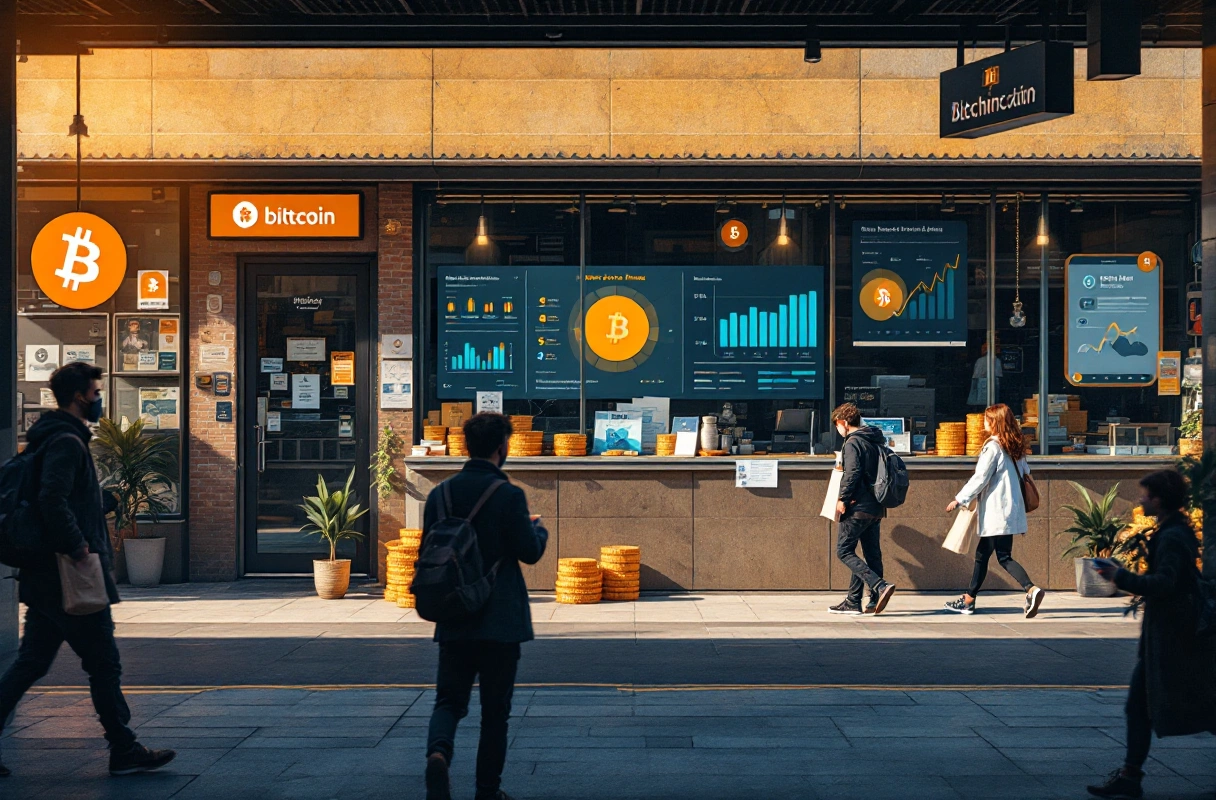
Decentralized finance wallets are digital tools that allow users to store, manage, and interact with cryptocurrencies and DeFi applications securely. Unlike traditional wallets, which may be controlled by a central authority, DeFi wallets give users complete control over their private keys and funds.
Types of DeFi Wallets
There are primarily two types of wallets in the DeFi space: hot wallets and cold wallets. Each serves different needs depending on user preferences and security requirements.
- Hot Wallets: These wallets are connected to the internet, making them easily accessible for transactions. They are typically used for everyday transactions and interacting with DeFi applications. Examples include MetaMask and Trust Wallet. While convenient, they are more vulnerable to hacking and phishing attacks due to their online nature.
- Cold Wallets: These wallets are offline and provide a higher level of security. They are ideal for long-term storage of cryptocurrencies. Examples include hardware wallets like Ledger and Trezor. Although they are less convenient for frequent transactions, they significantly reduce the risk of online threats.
Key Features of DeFi Wallets
When choosing a DeFi wallet, several features should be considered to ensure a safe and efficient experience:
- User Control: A good DeFi wallet allows users to retain control of their private keys, ensuring that only they can access their funds.
- Compatibility: The wallet should support a variety of cryptocurrencies and tokens, especially those prevalent in DeFi projects.
- User Experience: A user-friendly interface is crucial, particularly for newcomers to the DeFi ecosystem.
- Security Measures: Look for wallets that offer two-factor authentication, biometric access, and recovery options.
Security Considerations for DeFi Wallets

Security is paramount in the decentralized finance landscape. As the sector grows, so do the threats, making it essential for users to adopt robust security practices.
Common Security Threats
Understanding the security threats associated with DeFi wallets can help users take proactive measures to protect their assets. Some common threats include:
- Phishing Attacks: Attackers often create fake websites or emails that mimic legitimate platforms to steal users' private keys or login information.
- Smart Contract Vulnerabilities: Bugs or vulnerabilities in smart contracts can be exploited, leading to significant losses. Users should only interact with audited contracts.
- Malware: Malicious software can compromise users' devices and gain access to their wallets. Keeping devices secure and updated is crucial.
Best Practices for Securing Your DeFi Wallet
To protect your assets, consider implementing the following best practices:
- Use Strong Passwords: Create complex passwords that are difficult to guess and use a password manager to keep them secure.
- Enable Two-Factor Authentication: Adding an extra layer of security can significantly reduce the risk of unauthorized access.
- Verify URLs: Always check that you are on the correct website before entering any sensitive information. Bookmark trusted sites for easier access.
- Regularly Update Software: Keep your wallet and device software updated to protect against known vulnerabilities.
The Importance of Community in Decentralized Finance Projects

Community plays a vital role in the success and sustainability of DeFi projects. Unlike traditional finance, where institutions drive decisions, DeFi thrives on community involvement and governance.
Community Governance Models
Many DeFi projects utilize decentralized governance models, allowing community members to propose and vote on changes to the protocol. This model enhances transparency and encourages user engagement. Common governance structures include:
- Token-Based Voting: Holders of governance tokens can vote on proposals, influencing the direction of the project.
- DAO Structures: Decentralized Autonomous Organizations (DAOs) empower communities to manage the project collectively, fostering a sense of ownership and responsibility.
Benefits of Community Engagement
Engaged communities contribute to the robustness and adaptability of DeFi projects. Some of the key benefits include:
- User Feedback: Active community members can provide valuable feedback that helps improve the platform.
- Network Effects: A strong community attracts more users, creating a positive feedback loop that enhances the project's visibility and usability.
- Resource Sharing: Community members often share resources, tips, and strategies that can benefit newcomers, fostering a collaborative environment.
Navigating DeFi Trends in 2025
As the decentralized finance landscape evolves, certain trends are shaping its future. Understanding these trends can help users make informed decisions about their investments and participation in DeFi projects.
Key Trends to Watch
- Increased Regulatory Scrutiny: Governments worldwide are beginning to introduce regulations for DeFi, impacting how projects operate. Users should stay informed about relevant regulations in their jurisdictions to ensure compliance.
- Integration with Traditional Finance: More DeFi projects are exploring partnerships with traditional financial institutions, aiming to create hybrid solutions that leverage the benefits of both systems.
- Rise of Stablecoins: Stablecoins are becoming increasingly popular as they provide a less volatile option for transactions and savings in the DeFi ecosystem. Their integration into various DeFi applications is expected to grow.
- Enhanced Security Protocols: As the DeFi space matures, projects are prioritizing security measures, including audits and insurance options for users. This trend will likely increase user trust and participation.
- Innovations in Yield Farming and Liquidity Pools: As users seek higher returns, new and innovative yield farming strategies are emerging, providing opportunities for liquidity providers and investors alike.
Common Misconceptions About DeFi
Despite its growing popularity, several misconceptions about decentralized finance persist. Addressing these can help newcomers better understand the landscape.
Addressing Misconceptions
- DeFi is Only for Tech-Savvy Users: While some knowledge of blockchain technology is beneficial, many user-friendly platforms cater to beginners, making DeFi accessible to a broader audience.
- All DeFi Projects are Risky: Not all DeFi projects are created equal. Conducting thorough research and selecting reputable projects can mitigate risks significantly.
- Decentralization Means No Regulation: While DeFi promotes decentralization, it does not equate to a lack of regulation. Users must stay informed about the evolving regulatory landscape.
Conclusion: The Future of Decentralized Finance and Community Engagement
Understanding DeFi wallets, security fundamentals, and the role of community governance is essential for anyone stepping into decentralized finance. As the ecosystem grows more sophisticated, the projects that thrive will be the ones supported by informed users, strong communities, and secure infrastructure. Staying educated and adopting best practices is no longer optional — it’s the foundation of long-term success in DeFi.
At Edge of Show, we help break down these concepts so crypto investors, blockchain entrepreneurs, and curious early adopters can navigate DeFi with clarity and confidence. Our insights and resources are designed to help you apply what you’ve learned and participate in this new financial landscape responsibly and strategically.
To stay ahead of the rapidly evolving world of decentralized finance — tune in to the Edge of Show podcast.
.jpg)

.jpg)
.webp)
.webp)
.webp)


.svg)


