

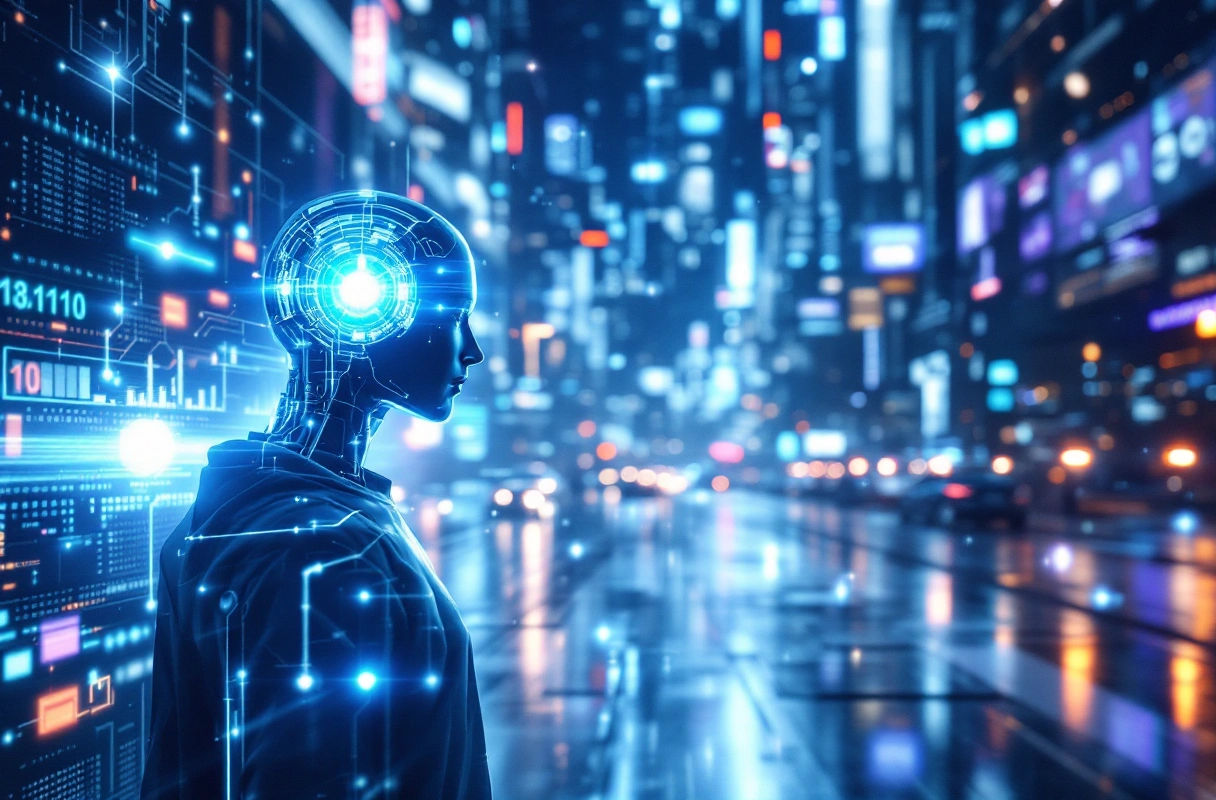
The integration of artificial intelligence (AI) into various sectors has been nothing short of transformative, particularly within the Web3 ecosystem. As we advance through the year, the convergence of AI and decentralized technologies like blockchain is creating new opportunities and challenges. This article will explore ten critical AI trends that are shaping Web3, providing insights into how these technologies interact and the implications for industries ranging from finance to gaming.
Understanding AI's Impact on Decentralized Finance (DeFi)

The Role of AI in Enhancing DeFi Protocols
Artificial intelligence is playing a pivotal role in the evolution of decentralized finance (DeFi). By leveraging machine learning algorithms, DeFi platforms can improve decision-making processes, risk assessment, and user experience. For instance, AI can analyze vast datasets to predict market trends, optimize liquidity pools, and enhance trading strategies. These capabilities enable platforms to operate more efficiently and offer users a more reliable experience.
Moreover, AI technologies can facilitate automated trading systems that adapt to real-time market changes. This adaptability is crucial in the volatile cryptocurrency markets, where price fluctuations can be rapid and significant. By implementing AI-driven analytics, DeFi protocols can enhance their operational capabilities, ultimately leading to better user satisfaction and increased adoption.
Challenges in Integrating AI with DeFi
While the benefits of integrating AI into DeFi are substantial, there are also inherent challenges. Data privacy and security are major concerns, especially when sensitive financial information is involved. AI systems often require access to large amounts of data, which raises questions about how this data is collected, stored, and used.
Additionally, the potential for bias in AI algorithms can lead to unfair outcomes. If AI systems are trained on incomplete or skewed data, they may inadvertently favor certain user groups over others. Addressing these issues is essential for ensuring that AI applications in DeFi are equitable and secure.
AI Trends Reshaping the Blockchain Landscape

Decentralized AI and Its Implications
Decentralized AI represents a significant shift in how artificial intelligence is developed and deployed. Unlike traditional centralized AI models, decentralized AI leverages blockchain technology to distribute data processing across multiple nodes. This approach enhances transparency, security, and data ownership, which are core principles of the Web3 paradigm.
For example, decentralized AI can enable collaborative model training among various participants without compromising data privacy. This model allows different entities to contribute to AI developments while retaining control over their data. As a result, decentralized AI can drive innovation in sectors such as healthcare, finance, and supply chain management, where data sensitivity is paramount.
The Rise of AI-Driven Smart Contracts
Smart contracts are self-executing contracts with the terms of the agreement directly written into code. The incorporation of AI into smart contracts can enhance their functionality and decision-making capabilities. AI can analyze external data sources, allowing smart contracts to execute based on real-world conditions rather than static inputs.
For instance, in the insurance industry, AI-powered smart contracts could automatically process claims by analyzing relevant data, such as weather patterns or accident reports. This capability can streamline operations, reduce fraud, and enhance customer satisfaction by ensuring timely payouts. As smart contracts evolve, their integration with AI will likely create more dynamic and responsive systems.
The Intersection of NFTs and AI

AI-Generated NFTs
The emergence of NFTs (non-fungible tokens) has opened new avenues for creativity and ownership in the digital space. AI technologies are now being utilized to create unique NFT artworks and collectibles. By using algorithms to generate art based on specific parameters, artists can produce an infinite variety of pieces, each with distinct characteristics.
This innovation not only democratizes the art creation process but also challenges traditional notions of authorship and ownership. Collectors are increasingly drawn to AI-generated NFTs due to their novelty and the complex algorithms behind their creation. As this trend grows, it will reshape the digital art market and create new opportunities for artists and collectors alike.
Enhancing User Experience with AI in NFT Marketplaces
AI can significantly improve user experience in NFT marketplaces by personalizing recommendations and streamlining transactions. Machine learning algorithms can analyze user behavior and preferences to suggest relevant NFTs, making it easier for collectors to discover new pieces. Additionally, AI can help detect counterfeit NFTs, ensuring that buyers are purchasing legitimate assets.
By implementing AI-driven features, NFT marketplaces can enhance user engagement and trust, ultimately fostering a more robust ecosystem. As competition increases in the NFT space, platforms that leverage AI effectively will likely gain a competitive edge.
AI Applications in Gaming
Personalizing Gaming Experiences
Artificial intelligence is revolutionizing the gaming industry by creating more immersive and personalized experiences for players. AI algorithms can analyze player behavior to tailor gameplay, difficulty levels, and content recommendations. This customization enhances user satisfaction and encourages longer play sessions.
For example, AI can dynamically adjust the game environment based on player skill levels, ensuring that challenges remain engaging without becoming frustrating. By creating adaptive gaming experiences, developers can cater to a broader audience and foster a loyal player base.
AI-Driven Game Development
The game development process itself is also being transformed by AI. From procedural content generation to automated testing, AI technologies are streamlining various aspects of game creation. This efficiency not only reduces development time but also allows for more creative experimentation.
AI can assist in generating game worlds, characters, and narratives, providing developers with a wealth of resources to draw upon. As AI continues to advance, its role in game development will likely expand, leading to more innovative and engaging gaming experiences.
The Future of AI and Web3
Ethical Considerations in AI Development
As artificial intelligence becomes more integrated into Web3 technologies, ethical considerations must be at the forefront of development. Issues such as data privacy, algorithmic bias, and accountability need to be addressed to ensure that AI applications are fair and equitable.
Developers and organizations must prioritize transparency in their AI systems, allowing users to understand how decisions are made. Additionally, establishing guidelines for ethical AI use will be crucial in building trust within the Web3 community.
The Potential of AI in Future Web3 Innovations
The potential applications of artificial intelligence within the Web3 framework are vast. As technology continues to evolve, we can expect to see AI playing a central role in areas such as decentralized governance, community engagement, and digital identity management.
For instance, AI could facilitate more efficient decision-making processes in decentralized autonomous organizations (DAOs) by analyzing community feedback and proposing solutions. This capability would empower users and enhance participation in governance, ultimately leading to more vibrant and engaged communities.
Navigating Common Misconceptions About AI in Web3
Misconception: AI Will Replace Human Workers
One prevalent misconception is that AI will entirely replace human workers, particularly in sectors like finance, art, and gaming. While AI can automate certain tasks, it is more likely to augment human capabilities rather than replace them. For example, in creative fields, AI can serve as a tool for artists, enabling them to push their boundaries and explore new avenues of creativity.
Misconception: AI in Web3 is Only for Large Enterprises
Another common misunderstanding is that AI applications in Web3 are only accessible to large enterprises with substantial resources. In reality, the democratization of technology means that smaller developers and startups can leverage AI tools and platforms to create innovative solutions. The availability of open-source AI models and decentralized networks allows anyone to participate in the AI revolution within Web3.
The Intersection of AI and Edge of Show
Artificial intelligence is reshaping industries and accelerating innovation across the Web3 ecosystem. For creators, developers, investors, and entrepreneurs, understanding these shifts is essential to staying ahead in an environment that evolves by the day. At Edge of Show, we’re committed to helping you make sense of these changes and apply AI technologies effectively within your own projects.
As AI and Web3 continue to converge, the opportunities only grow—from smarter automation to more personalized user experiences and stronger decentralized networks. By leaning into these advancements now, you position yourself at the front line of the next digital revolution.
To dive deeper into how AI is transforming Web3—and how you can harness it—tune in to the Edge of Show podcast.
.jpg)

.jpg)
.webp)
.webp)
.webp)


.svg)


